
Photovoice is an emerging qualitative research method that engages community members in research, highlighting their lived experiences and driving change.
CKC used the photovoice method during the ” Organisational Capacity Evaluation Session” on 9th May 2024. This technique connected stories from various individuals and partners to assess overall organizational capacities. This session marked the beginning of a three-year research project: Participatory Action Research on Organisational Strengthening (PAROCS), which will be implemented from 2024 to 2026. CKC is committed to conducting this research with technical advice from Australian Volunteers International (AVI) and the University of Technology Sydney (UTS) and inputs from CKC’s staff, collaborators, and partners. The research is based on the “The Five Capacities Approach,” which includes:
- Capacity to Deliver Results
- Capacity to Act and Commit
- Capacity to Create Coherence
- Capacity to Relate
- Capacity to Renew and Adapt
Nearly 20 stakeholders from regulatory bodies, research and educational institutions, partners, and affiliates of CKC participated in the session. Each participant was asked to select a photo reflecting changes in CKC’s capacities. This process was used to analyse CKC’s strengths, weaknesses, opportunities, and challenges. The insights gained from this session are fundamental for CKC to refine and drive forward new initiatives aligned with its enduring values and mission.
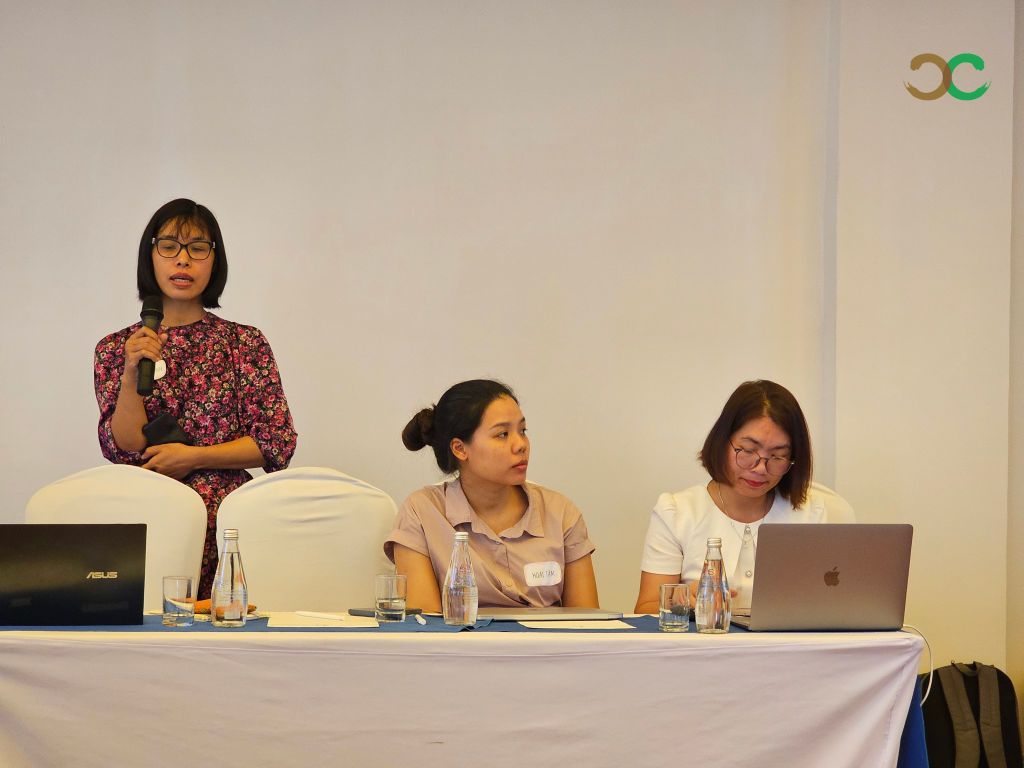
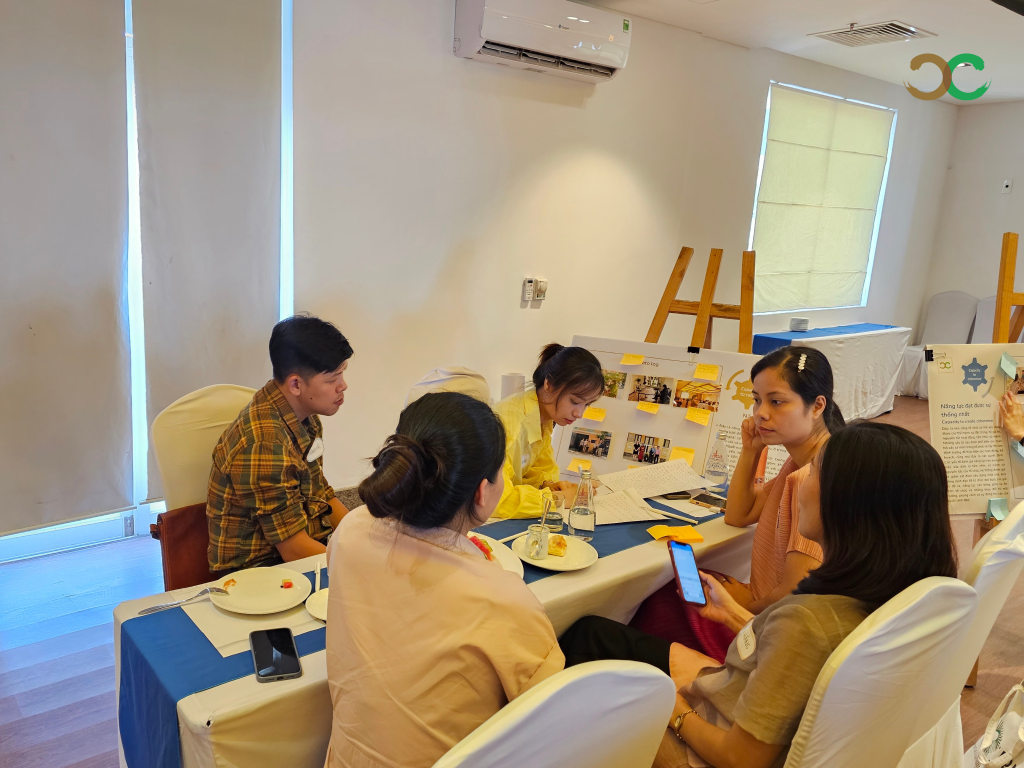
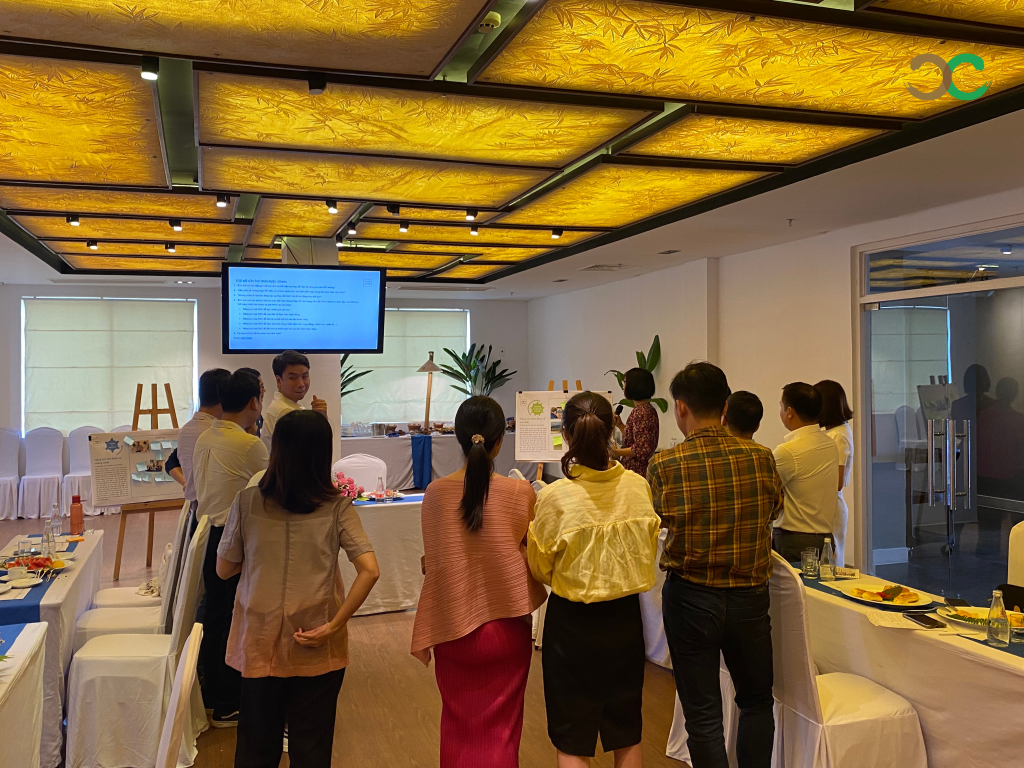
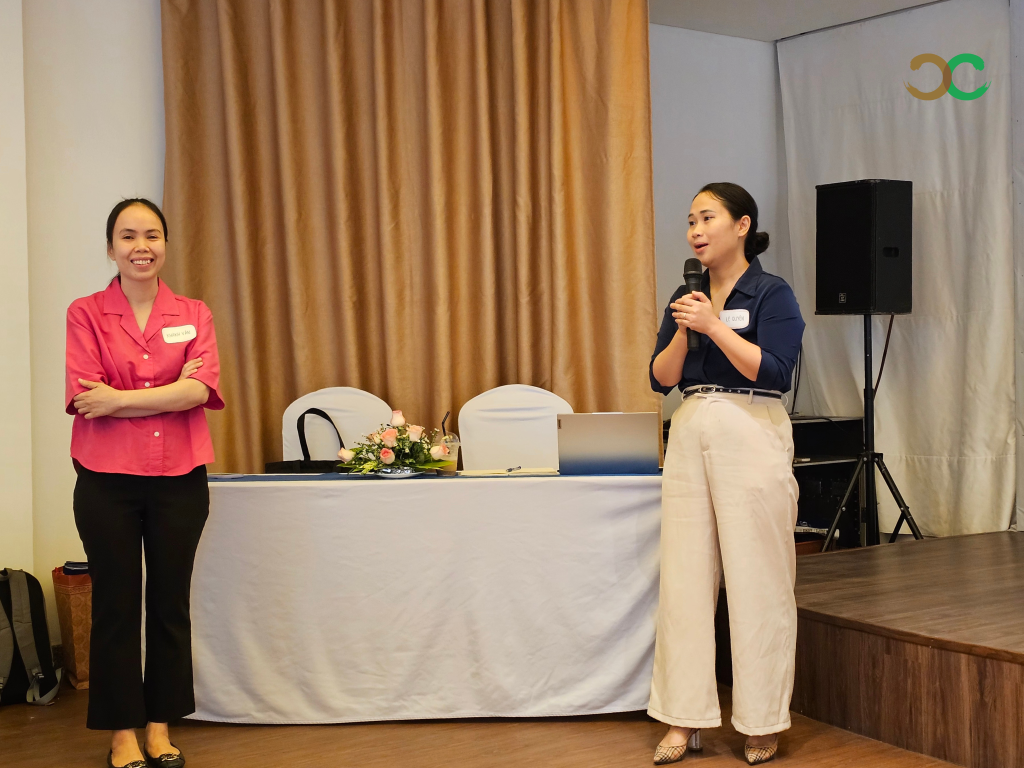
(Han Nguyen)
CKC has officially implemented the ASEAN Data Science Explorers training courses. Over the weekend of May 10th and 11th, 2024, CKC conducted training sessions for more than 180 students from the Hue University of Sciences and School of Hospitality and Tourism – Hue University. During the training, the students had fascinating experiences that included:
- Learning about the story of big data through lego
- Practicing analysing data sets
- Building a barcode scanning application and ordering application directly on their phones
- Acquiring other valuable knowledge related to data science
The training sessions were accompanied by Ms. Fidia, a representative from the ASEAN Foundation – the Project’s Sponsor.
CKC will continue to offer the ASEAN DSE 2024 training courses through online training for youth aged 15 to 30 who are interested in data science for application development. The courses will be held on May 24th and 25th, 2024. Don’t miss out on this opportunity and activate notifications to stay updated on the ASEAN DSE 2024 online courses from CKC!
CKC would like to express our appreciation to the Board of Principals and lecturers, especially the project’s master trainers, from Hue University of Sciences and School of Hospitality and Tourism – Hue University for their support and facilitation in coordinating the successful training sessions.
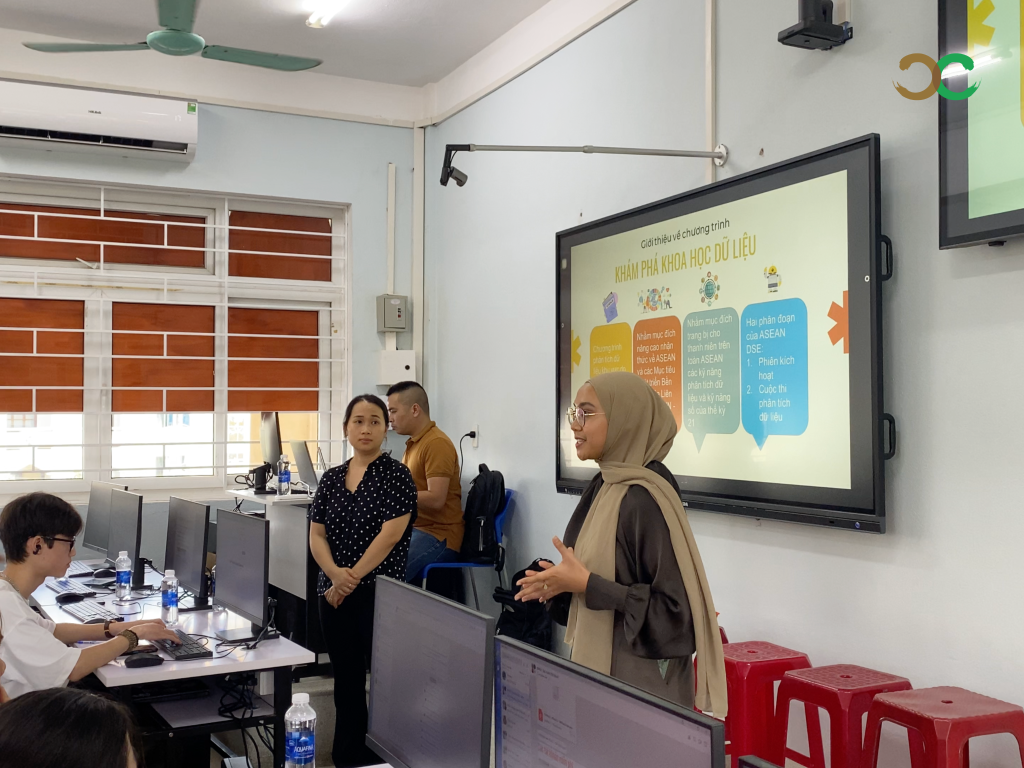
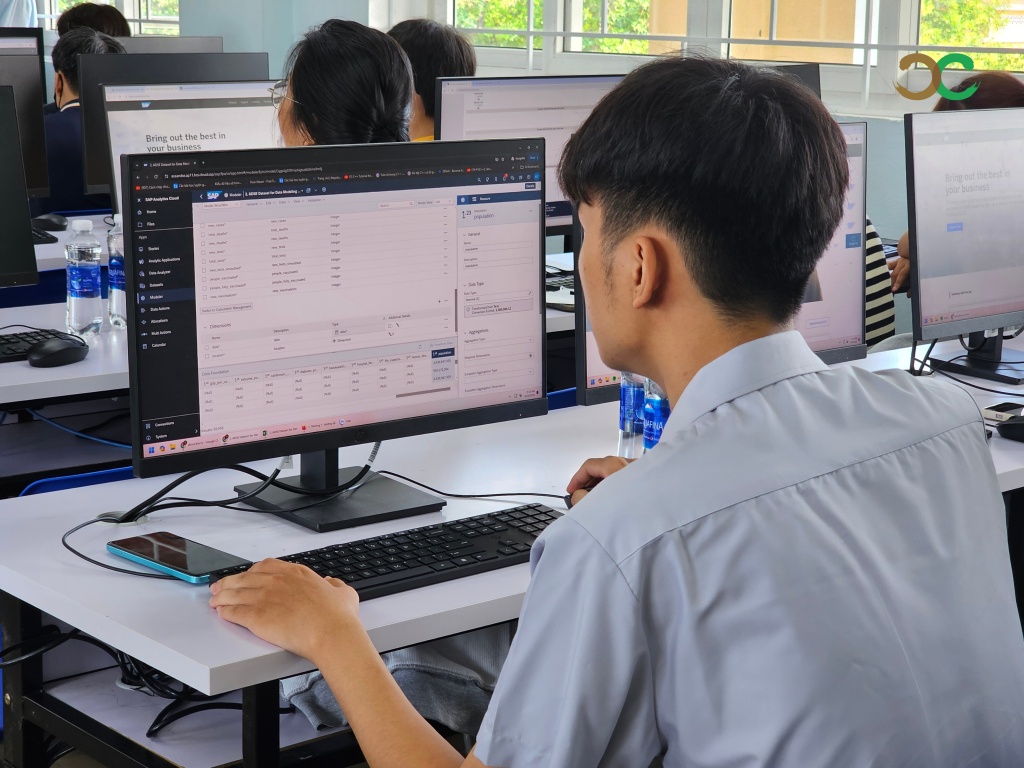
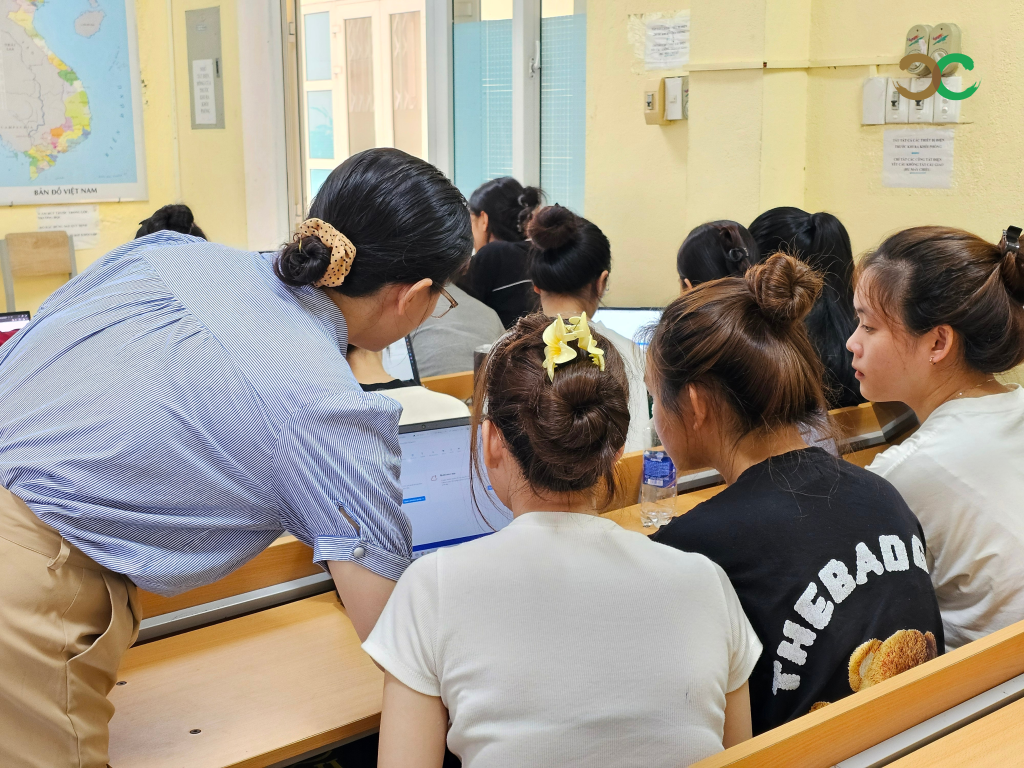
(Han Nguyen)
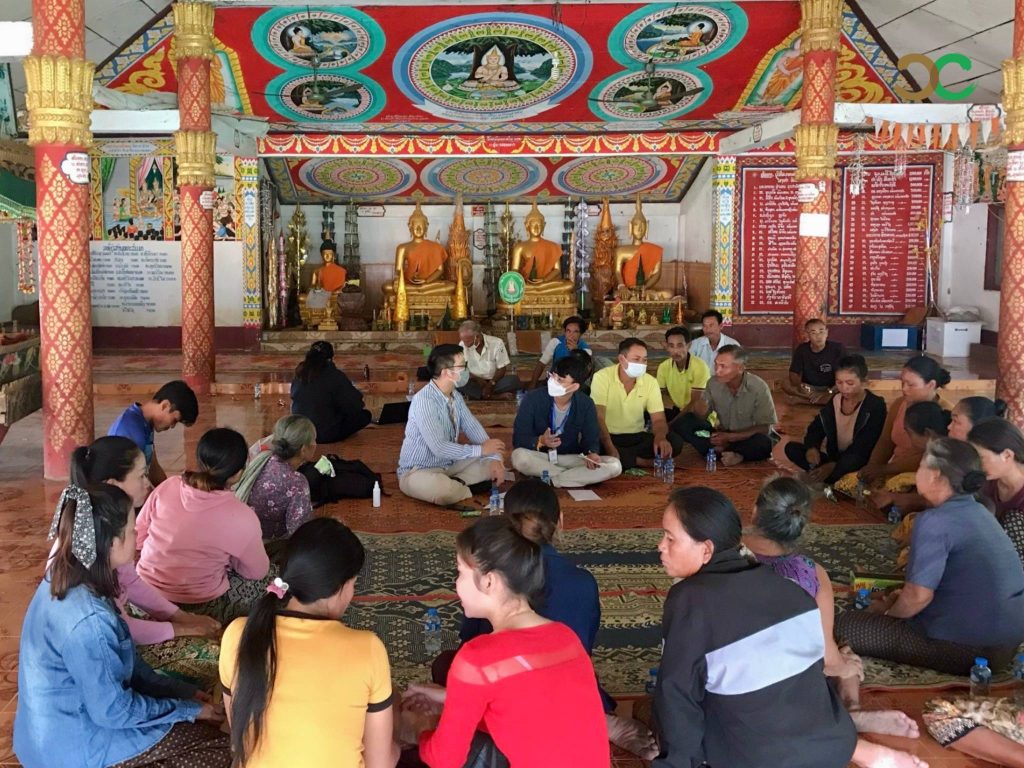
A Focus Group Discussion (FGD) is a qualitative research method and data collection technique in which a selected group of people discusses a given topic or issue in-depth, facilitated by a professional, external moderator*.
Different from the theoretical description, being able to gather and discuss with a group of people in other communities with many different socio-cultural characteristics is a challenging task with countless variables. For the focus group to openly provide valuable information, the researcher must have experience and apply flexible skills to enable these ‘open conversations.’
From 2020 until now, CKC annually conducts an average of 60 group discussions in many localities and with many different groups of participants. From practical experience, to be able to use a keyword in conducting FGD, CKC will choose the keyword ‘flexibility’, including:
1. Flexibility in time
Relying on the community’s working time is always the first principle when organizing group discussions. An influential group discussion is held at a convenient time for participants when they are fully focused and comfortable participating in the discussion process.
2. Flexibility in spaces
The location for group discussion is not the most fully equipped, but the area best suits the circumstances and participants. Sometimes, group discussions are organised in community houses, fields, under trees, in roadside grocery stores,…
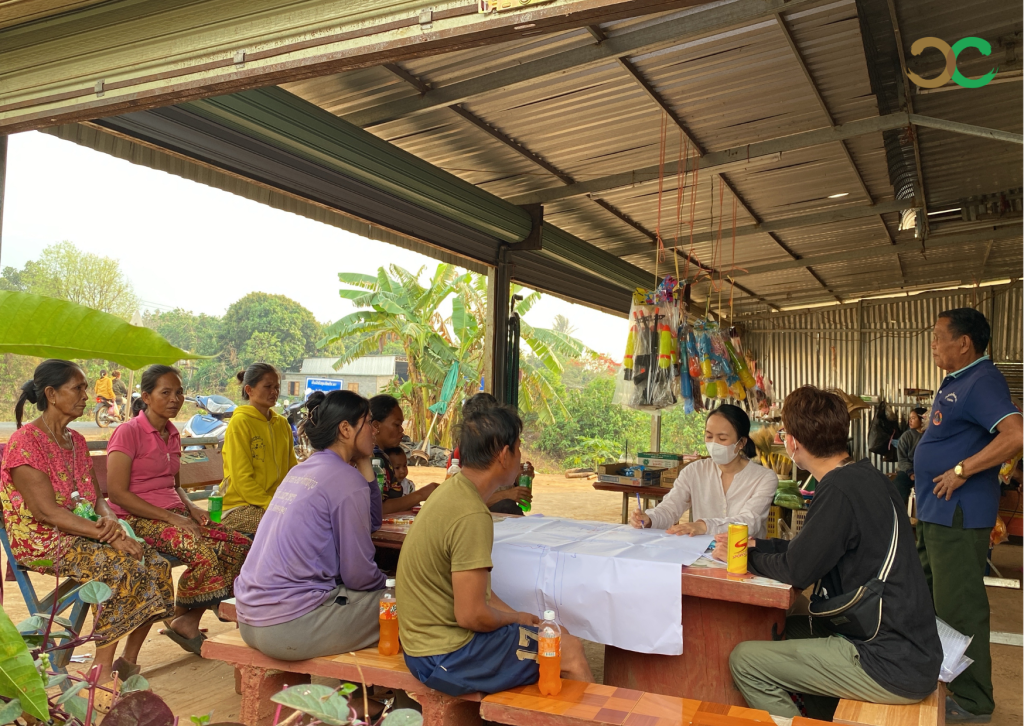
3. Flexibility in selecting participants
CKC always researches carefully about the community and plans to select focus discussion groups before going to the field. However, each field trip always has variables, so CKC will flexibly adjust the criteria for selecting participants based on their livelihoods, culture, ethnicity, gender, etc. Ensure all groups in the community have the opportunity to voice their opinions.
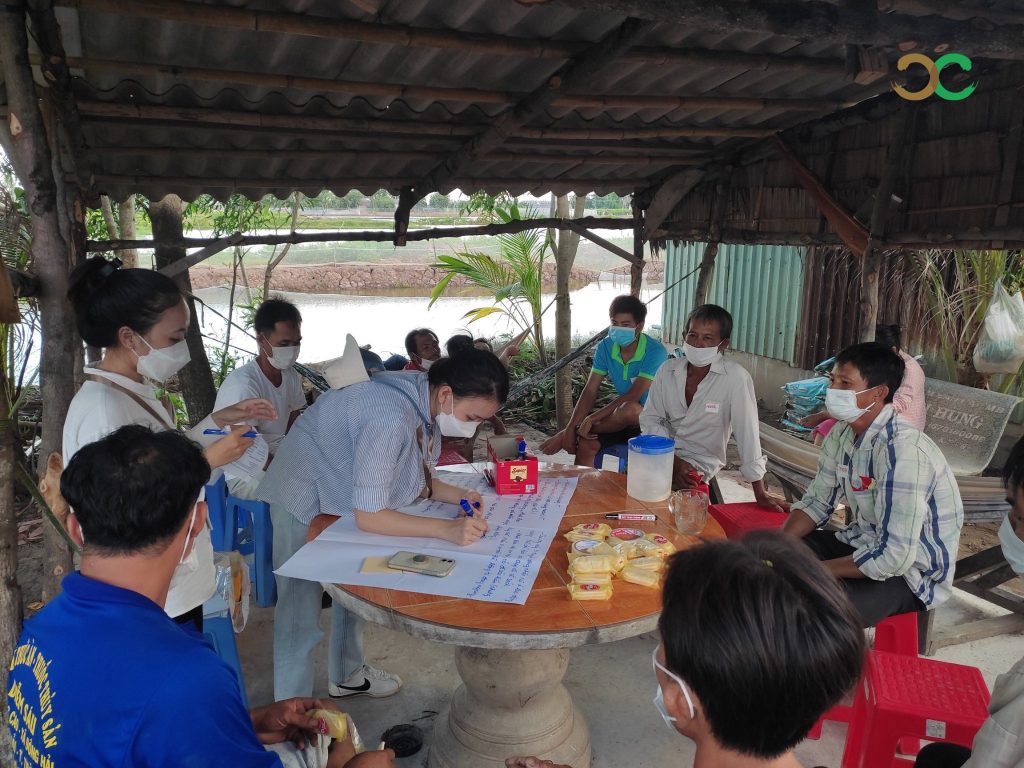
4. Flexibility in connecting participants to encourage their active engagement
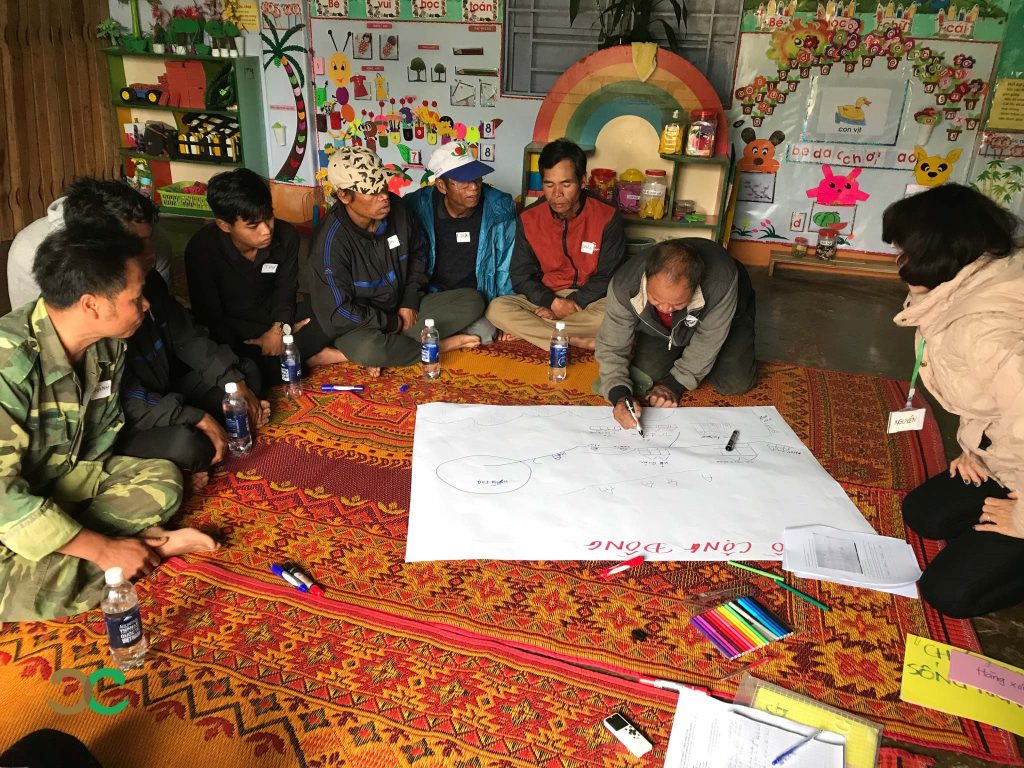
5. Flexibility in languages
Language and dialect are cultural features that are unique to each different community. Therefore, conducting group discussions always requires understanding and respect for the languages and dialects that the community is used to using. CKC always pays attention to the correct use of languages and dialects in focused discussions. If necessary, the discussion will be supported by native interpreters so the community can comfortably share stories in their own language.

The honest ‘open’ discussion, from sincerity sharing in comfortable zones, results from flexibility. Hopefully, our sharing will help you approach the Focus Group Discussion on the field site.
*2017, Peter van Eeuwijk and Zuzanna Angehrn. How to … Conduct a Focus Group Discussion (FGD). Methodological Manual
(Han Nguyen)