
CKC has accompanied the Ca Dong indigenous community in Dak Ring commune, Kon Plong district, Kon Tum provincesince 2021. Through more than ten (10) research and volunteering trips, CKC has followed the journey to the school of Ca Dong children carrying on their little shoulders worries and wishes about a full meal, a clean notebook, and a warm coat.
The donation campaign “Cai bung no” (Meal of Hope) aims to share the burdens and support Ca Dong children in the new school year 2023-2024. This campaign will be deployed at 11 points of Dak Ring Kindergarten in eight villages of Dak Ring commune, Kon Plong district, Kon Tum province, which are considered most disadvantaged, with 144 pupils aged 2 to 6. Over99% of pupils are Ca Dong and Ro Mam ethnic minorities.
Through this donation campaign, CKC hopes to receive support from individuals and organisations to contribute to a warmer, fuller, and happier school year for mountainous children.
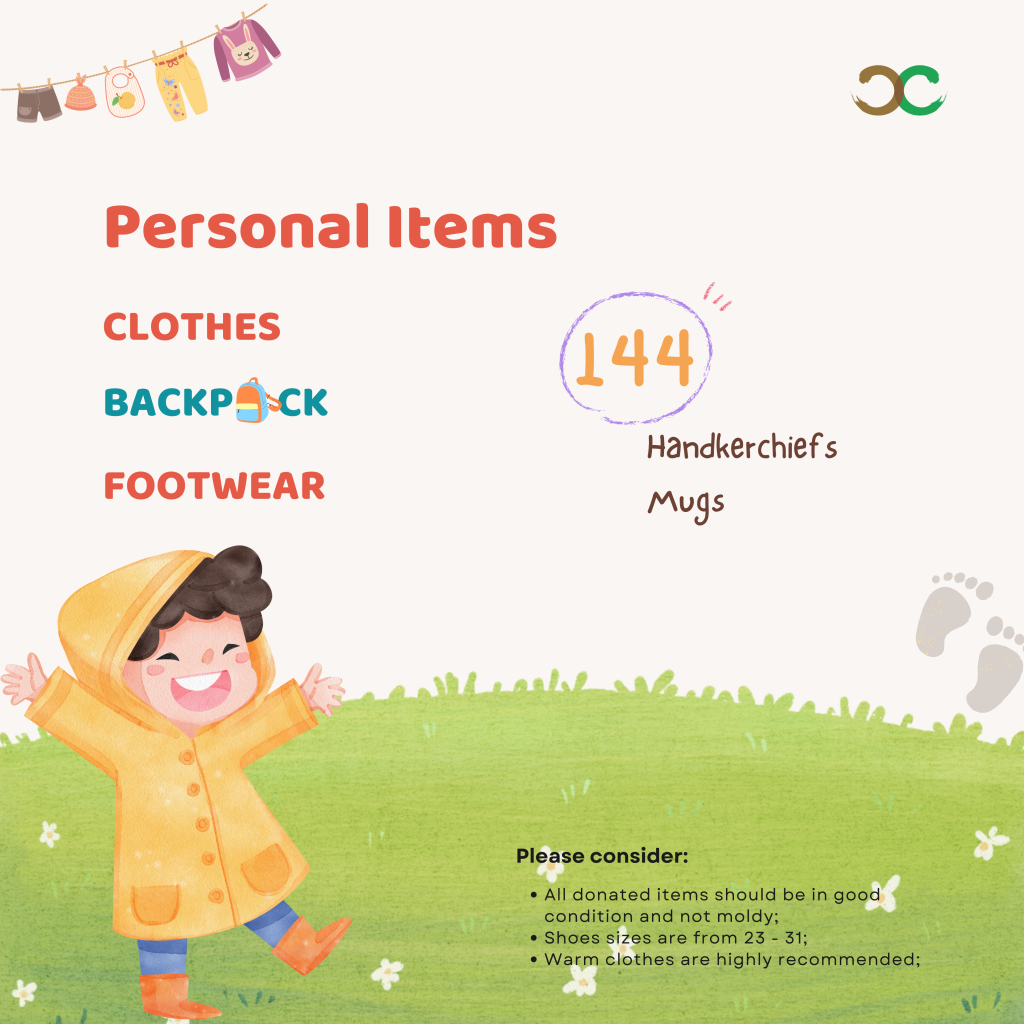
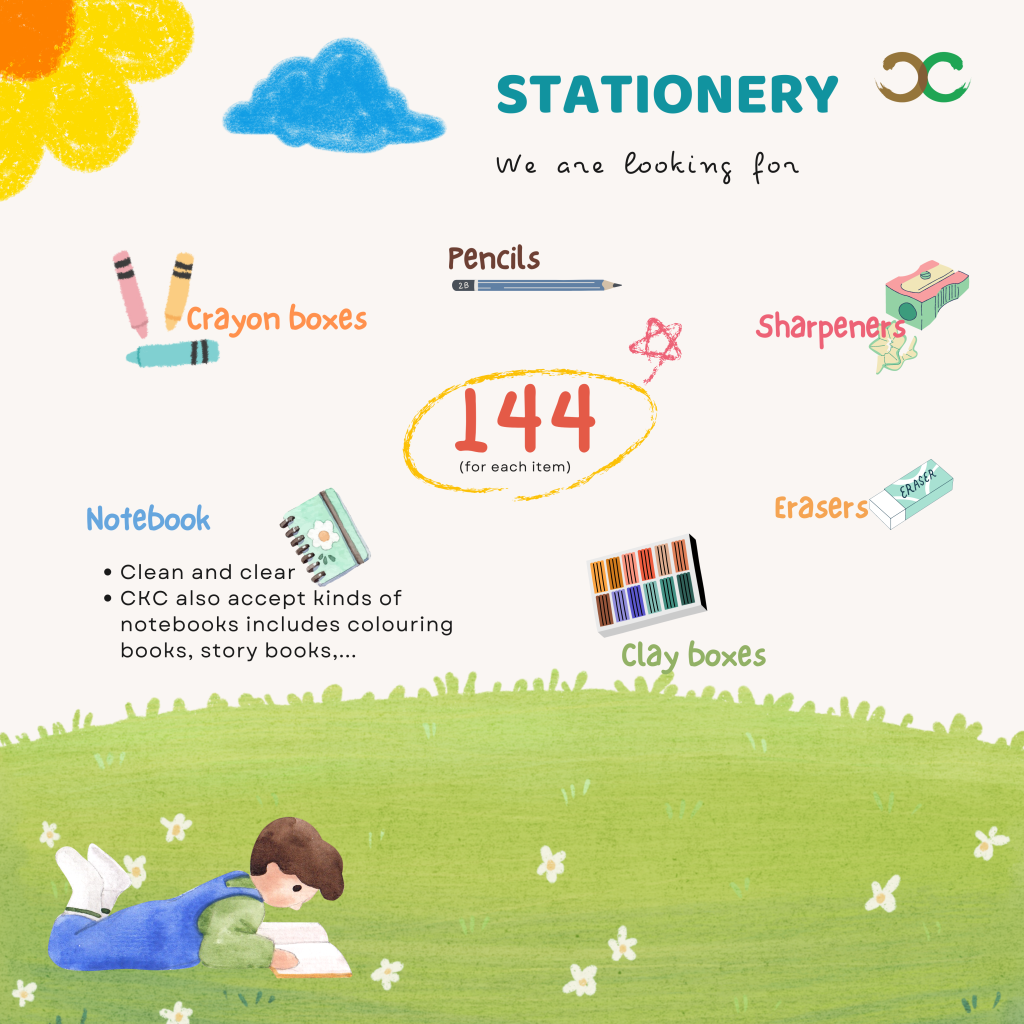
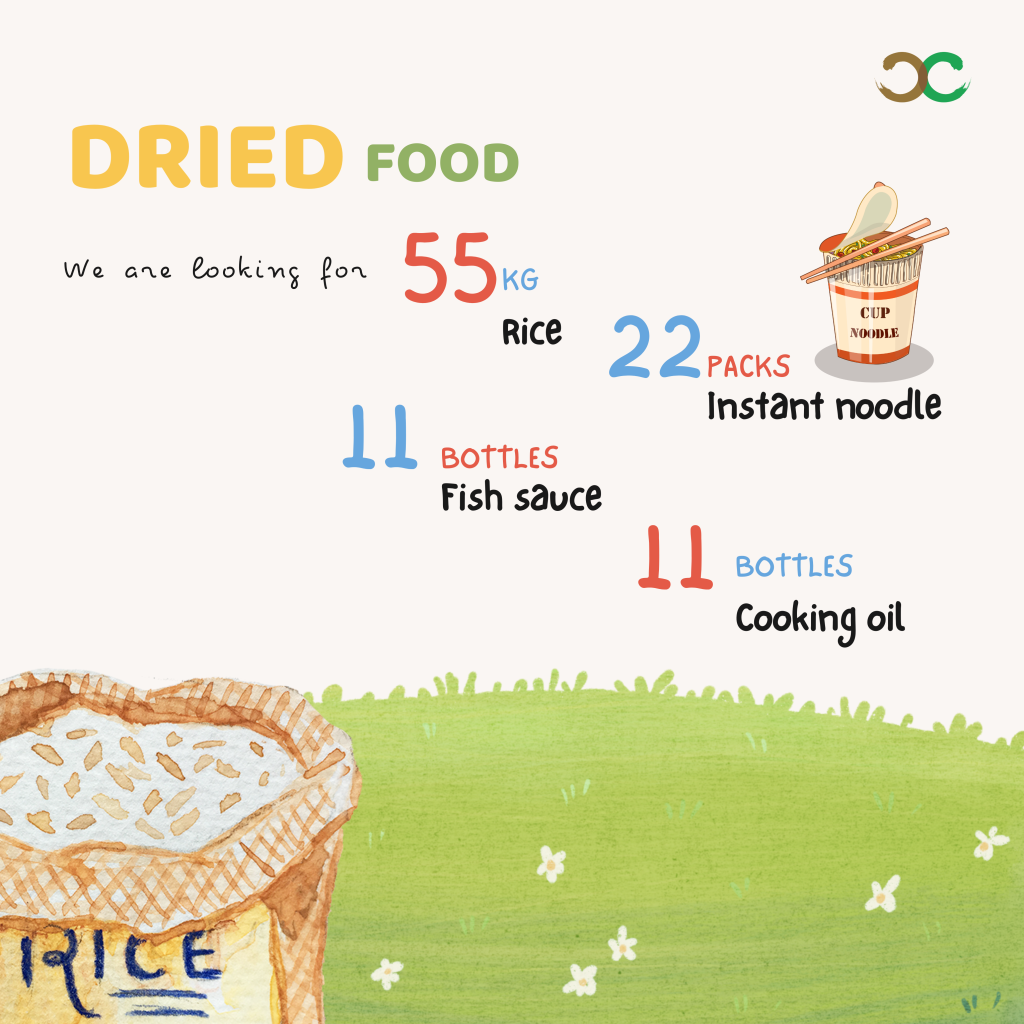
CKC is sincerely grateful for all donations of necessities and goods for children aged 2 to 6, including:
- Personal items;
- School supplies; and
- Dry food.
In addition to the mentioned suggestions, CKC warmly welcomes to receive other contributions from you.
All donated necessities and goods will be directly presented to the schools on 5 and 6 September 2023.
(For details on donation requests, please see the attached images below the post)
The donation will be held:
🗓️From 23 to 31 August 2023, between 8 AM and 6 PM on weekdays (from Monday to Friday)
🏠 Location: CKC office – 20 Ton That Duong Ky, An Cuu, Hue
If you cannot visit us during the specified times or require further assistance, please contact CKC via Facebook or phone at 0772505458 (Khanh Han).
CKC sincerely appreciates the carefully selected gifts that are in good condition for donation and regrets declining damaged items due to limitations in laundering and repairing.
In parallel with devoting ourselves to the community’s good, at CKC, we commit to building a healthy co-working culture for our members’ well-being. To fulfill the above mission, CKC Employee Well-being Program (CEW Program) was established in July 2021. Today, the CEW team has officially ended its second year and is ready to welcome an exciting third generation with new faces.
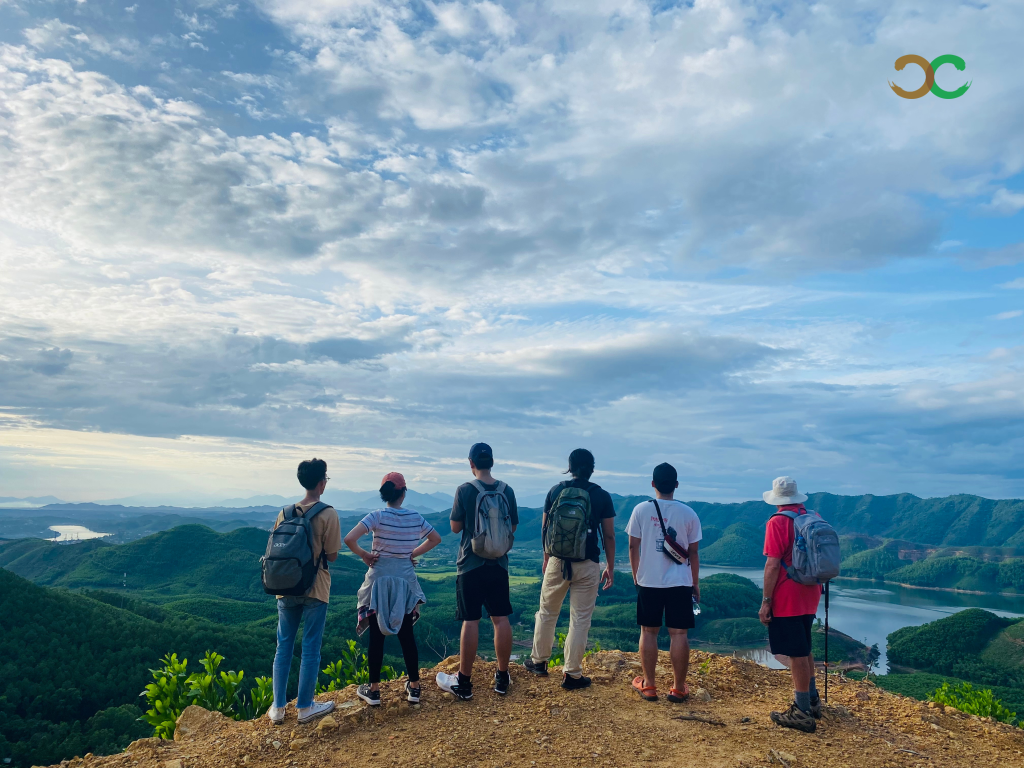
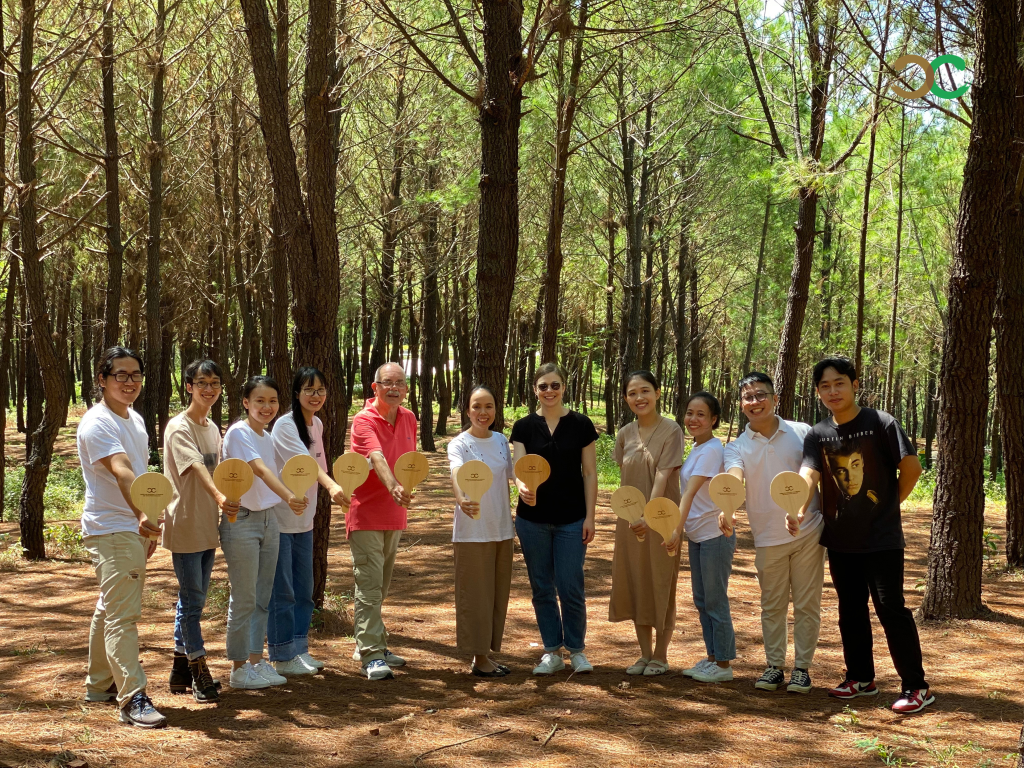
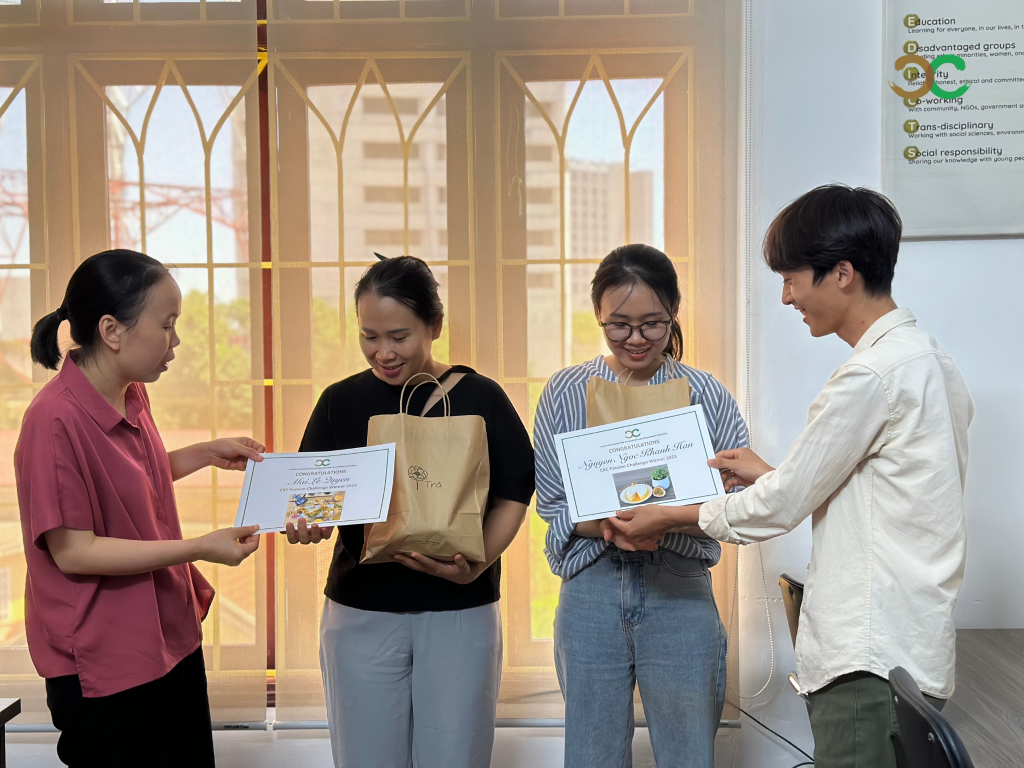
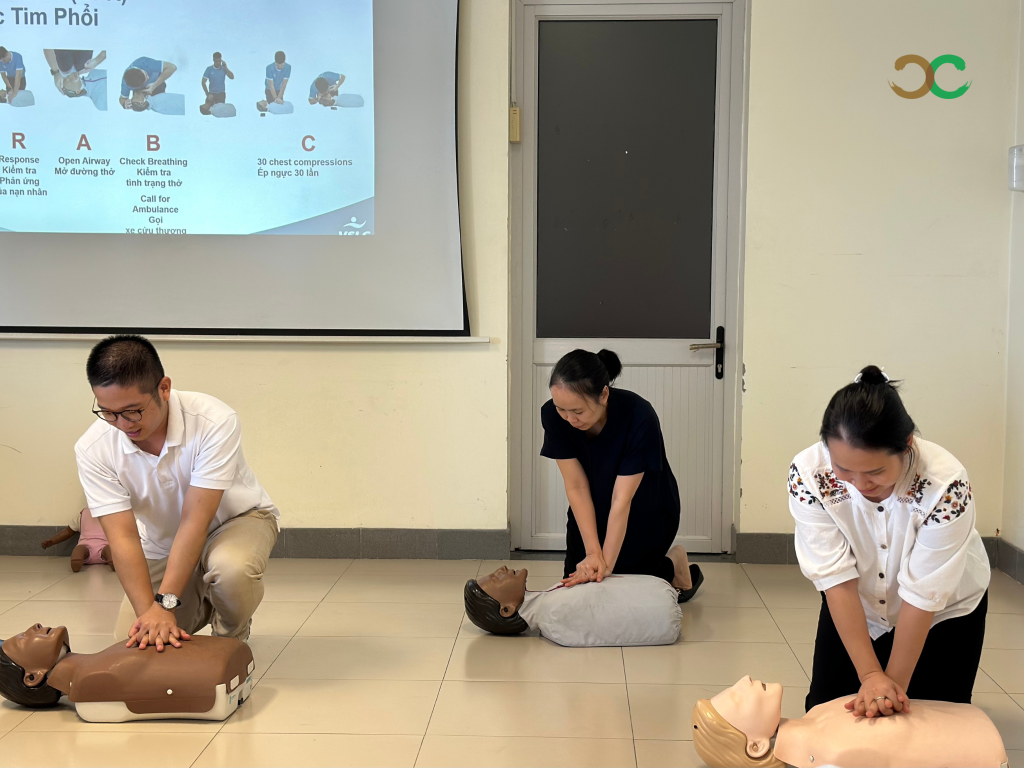
In retrospect, the second-generation CEW team had filled CKC and CKCers with memorable memories through more than 70 activities to connect and nurture physical and mental health in the past year. Sincerely grateful to the CEW team for always caring for CKC to be a green, healthy, creative, and close working space.
Let’s look back at the journey of the second-generation CEW team with us in some images below and look forward to CEW’s comeback with the new generation shortly.
Han Nguyen
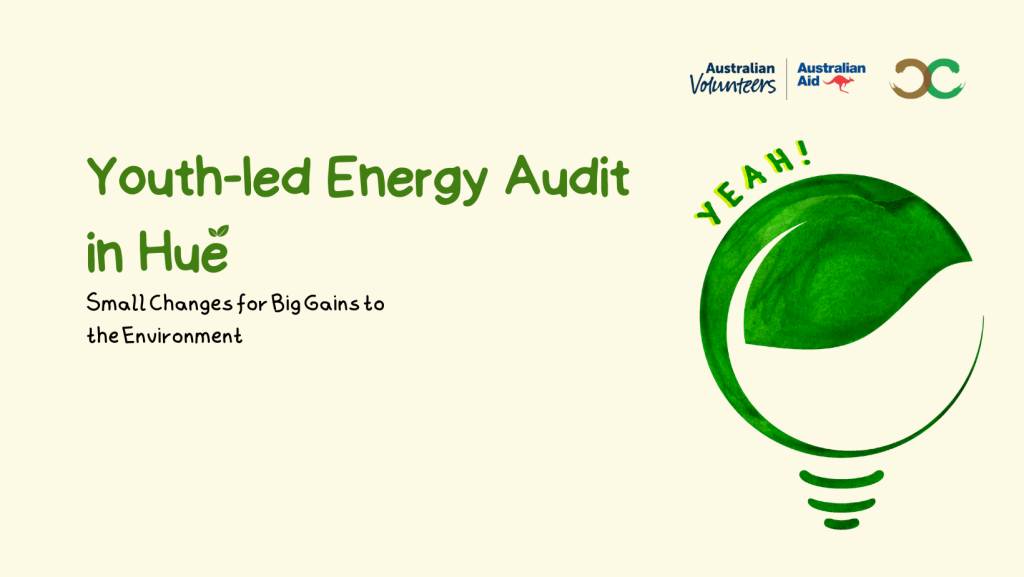
To celebrate International Youth Day 2023 (12 August 2023) with the theme ‘Green Skills for Youth: Towards a Sustainable World’, CKC is delighted to accompany Hue’s teenagers through the Project ‘Youth-led Energy Audit in Hue (YEAH!): Small Changes for Big Gains to the Environment’ in the latter half of year.
At the beginning of August, CKC released the first kick-off meeting with our Environment – Energy Expert to co-develop program and theory frameworks of the Project. YEAH! Project is proudly to be awarded as one of five innovative community projects by the Australian Government through the Australian Volunteers Program Impact Fund to establish and enhance the green skills for the lower secondary school pupils in Hue. The Project will be implemented from August to November 2023, with the support and approval from Thua Thien Hue Provincial People’s Committee.
The Project aims to equip a foundation-environment knowledge and enhance a responsible perspective on energy use for lower secondary school pupils and teachers, thereby changing energy consumption habits and spreading this positive behavior impact on the community. CKC believes that ‘Empowering the youth is nurturing a green planet.’
Sincere gratitude to AVI for entrusting CKC to take on the Project, contributing to mitigating climate change and protecting the environment.
(Han Nguyen)