Center for Knowledge Co-creation and Development Research (CKC) organised “Circle of Peace” – gender equality training-sharing and music co-writing activities on September 27, 2021, with the participation of blind women from the Niem Tin Massage Center and the Hue City Association of the Blind.
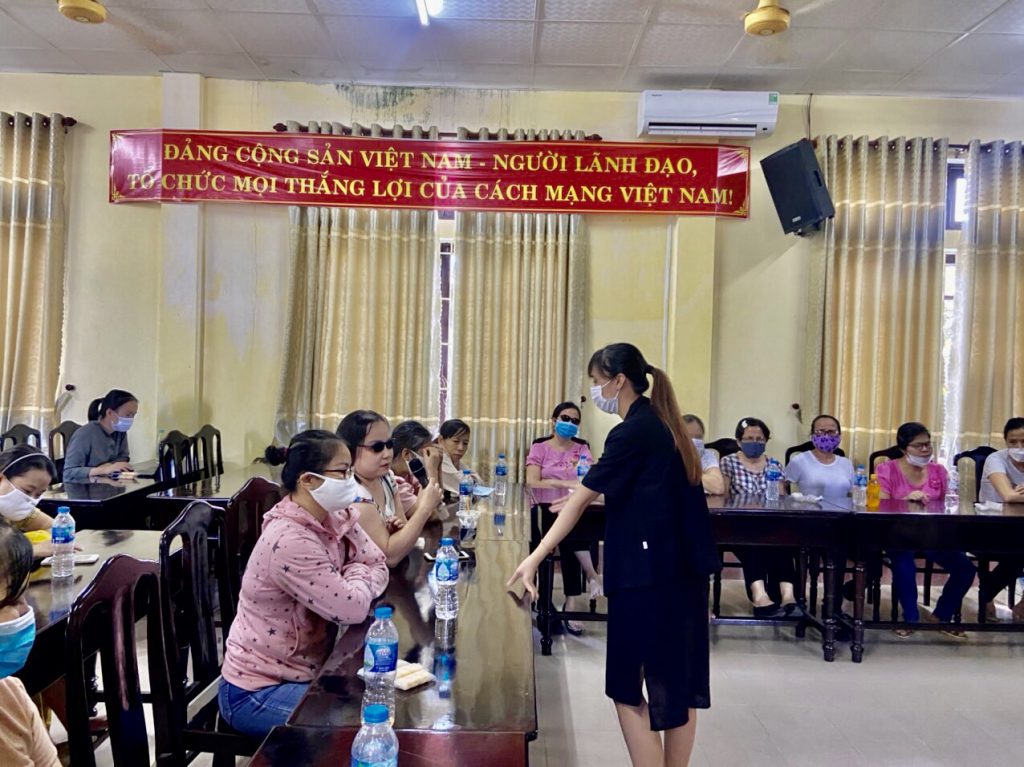
The training-sharing activity facilitated by a gender expert not only provided participants with fundamental knowledge about gender equality but also created a secure and open sharing circle, promoting reflections on the challenges, roles, and rights of women with disabilities in society. Many inspiring and heart-touching stories were told in this circle in which their privacy is protected, voices are heard, feelings are respected, and positions are recognised.
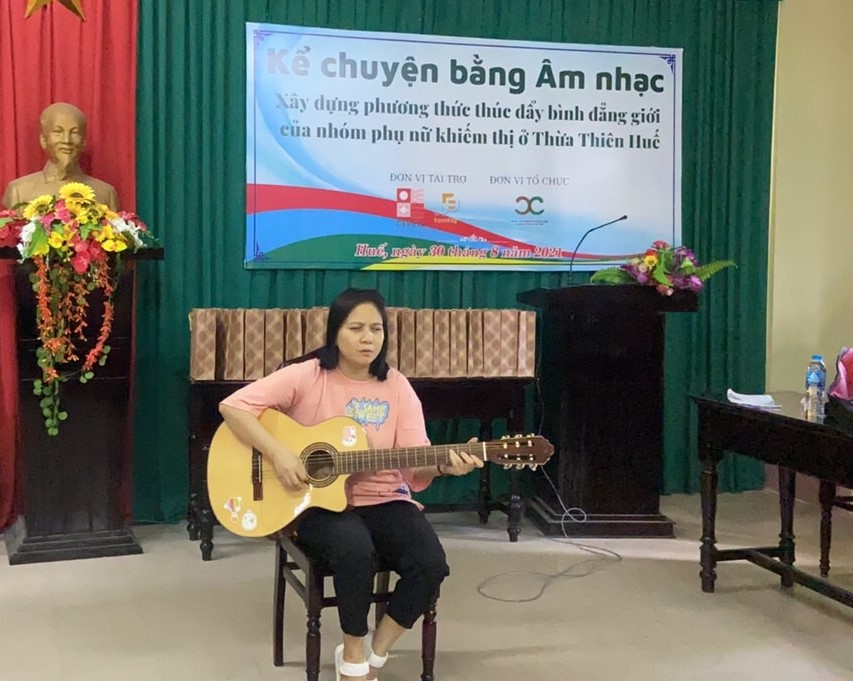
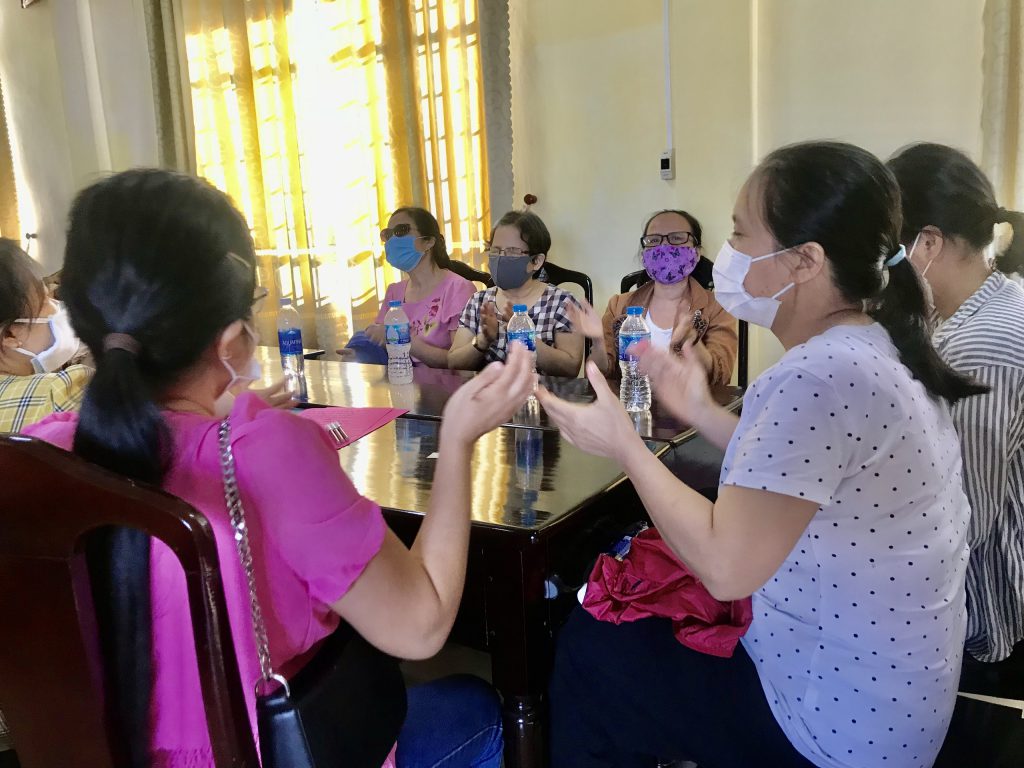
Participants continued to contribute and convey their own aspirations and messages into the song based on the shared stories through a music co-writing session coordinated by a female blind composer. Parenting without sight, seeing the world through positive lens, and mutual support of disability community are main topics of interest discussed in this music co-writing session. Participants highly appreciate these training as this is an opportunity to build their confidence and widen thier horizons, as shared by a young blind female.
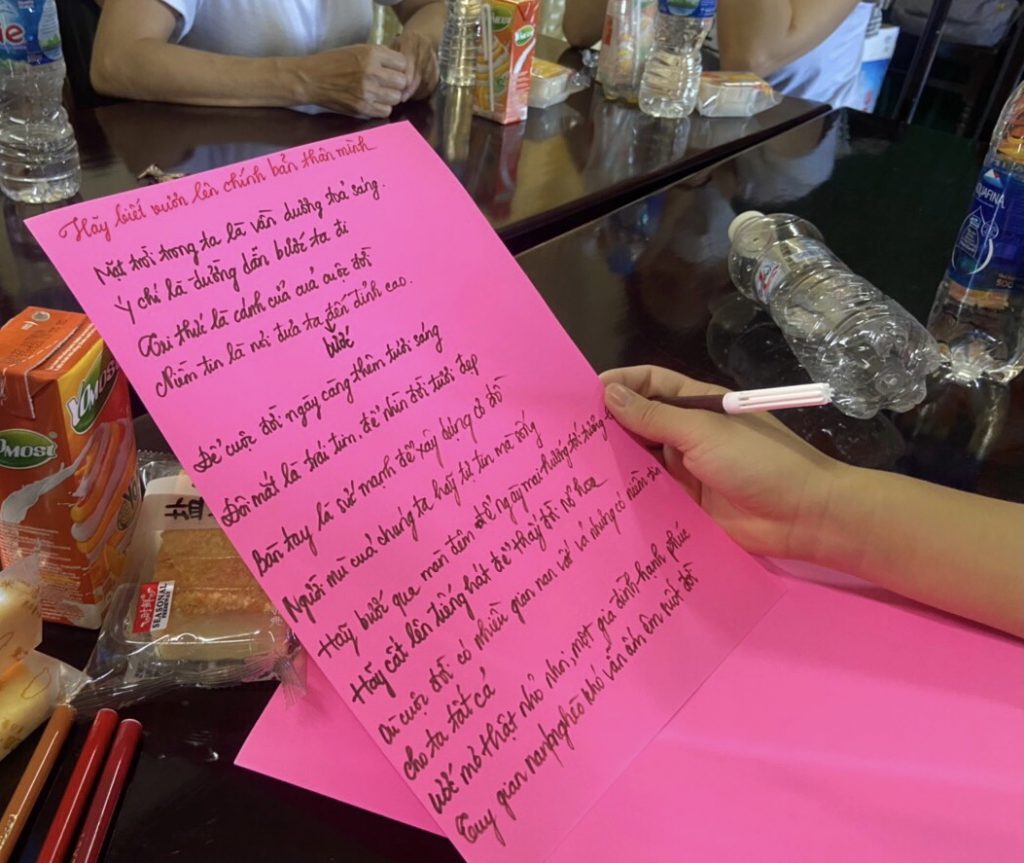
The activities were carried out as part of the Project “Music-Based Storytelling: A New Approach for Promoting Gender Equality of Blind Women in Thua Thien Hue Province,” with the collaboration of the Center for Education Promotion and Empowerment of Women (CEPEW) through i4Equality Fund (Innovations for Equality). Following the foregoing activities, a music product based on the shared stories will be produced by the participants in order to convey the message of women with disabilities towards gender equality.
Chi Duong
1. Introduction
CKC Employee Well-being program (CEW program) launched by Center for Knowledge Co-creation and Development Research (CKC) since July 2021 aims to operationalise CKC’s existing policies and business plan on the well-being of CKC members, vitalise individual efforts in putting CEW into effects; and boost employee well-being, business performance, and organisational attachment. The operational rationale of the program is based on four focal pillars: Health and Safety (H &S); Physical and Emotional Well-being; Social Welfare; and Work Space.
2. Program areas
2.1. Health and safety
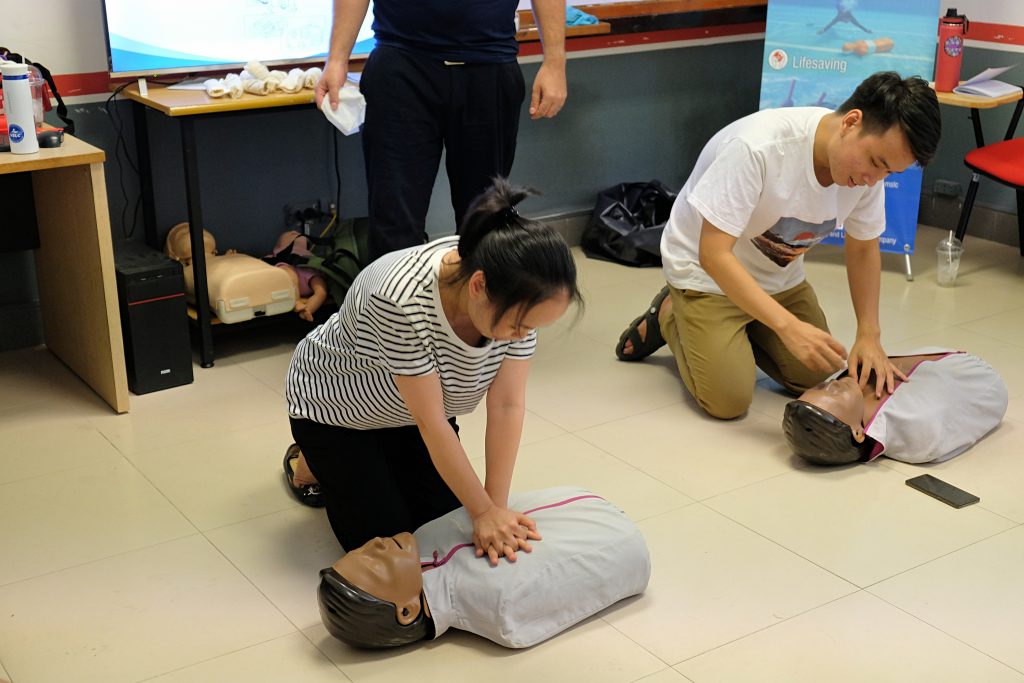
CKC is committed to providing and maintaining a healthy and safe working environment for all staff and collaborators under its H&S policy. Accordingly, CKC provides safe procedures and systems of work and in the field; maintaining the workspace in a safe and healthy condition; continually reviewing the workspace and field trip systems and procedures and implementing improvements; and providing adequate facilities to protect the health, safety, and welfare of CKC staff and collaborators. Many initiatives have been implemented, such as Emergency First Aid Training and work from home practice amid the COVID-19 context.
2.2. Physical and Emotional Wellbeing
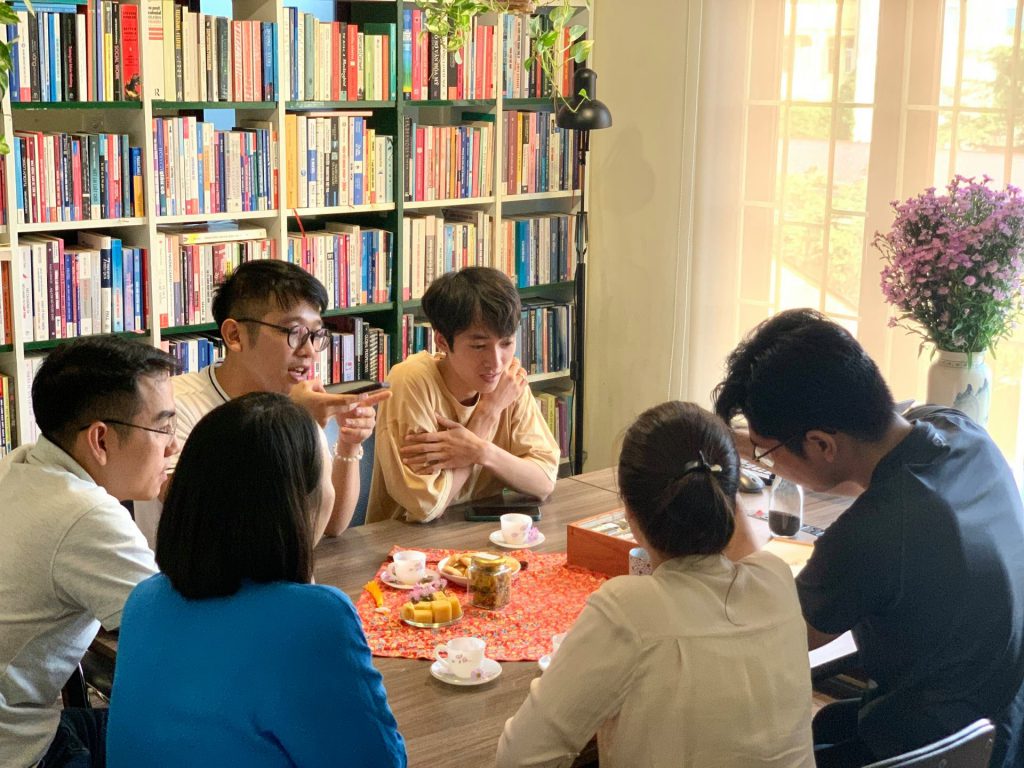
To foster work productivity, satisfaction, and attachment among CKC staff, we have initiated various activities focusing on improving physical well-being (Office Yoga Sessions, Trekking Trips, and Care Packages); emotional and mental well-being (Tea Talks, Get-together Days, Mental Health Check-in on RUOK Day); and community well-being (Gardening and Environmental Clean-ups). Taking care of co-workers’ well-being is essential in our culture to manifest an ideal working environment in which every employee can sense their engagement and embrace, and therefore enhance their resilience.
2.3. Work Space
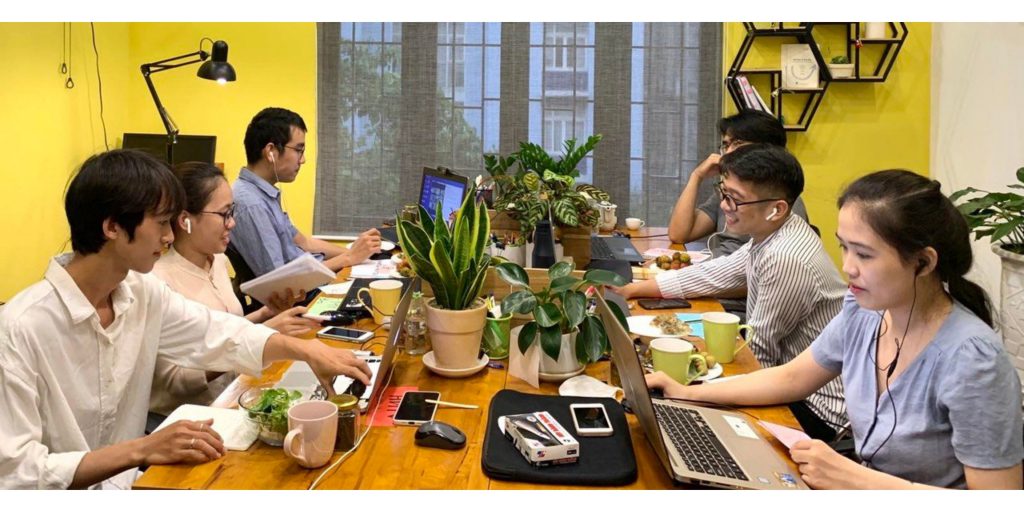
CKC attempts to create a cozy, effective, and highly welcoming workspace with the greatest comfort for all CKC employees and co-workers engaged in our office. CKC has been adopting its Green Office Policy, which commits to curbing single-use plastic, saving energy, planting in the office, and maintaining hygienic conditions with the aim of creating a “green” workplace and promoting environmental protection among CKC members. In addition, to foster a culture of knowledge co-creation and career well-being, an Office Library with a diverse collection of books has been established, and a regular series of professional development training has been maintained over the years.
2.4. Social Welfare
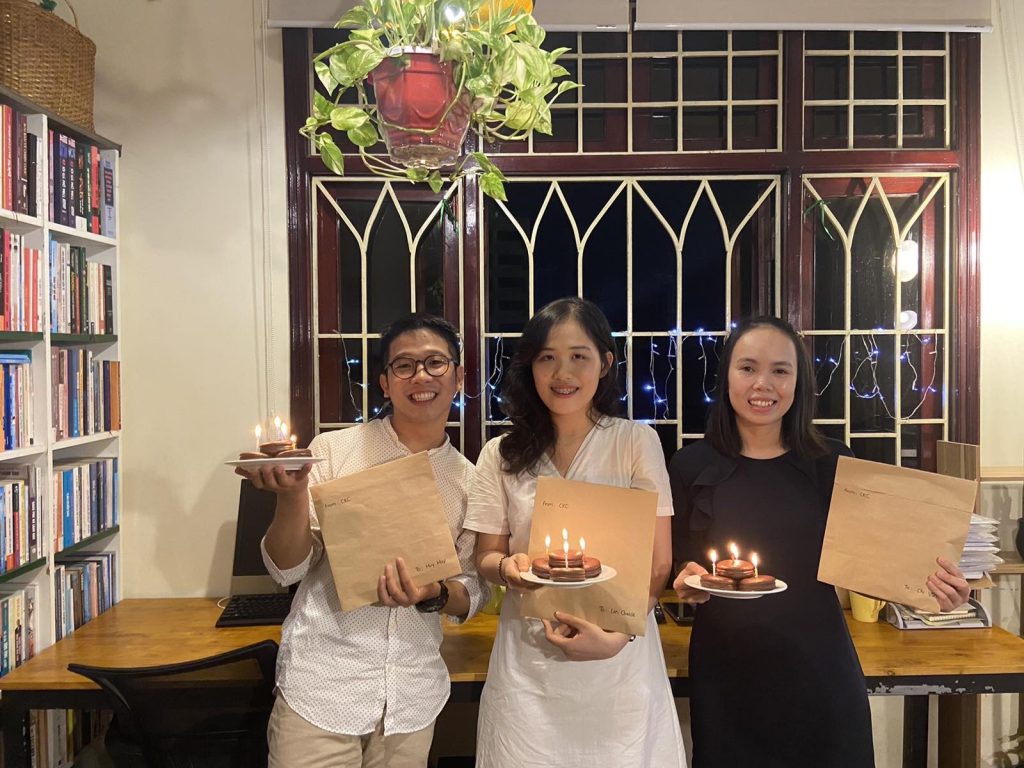
CKC social welfare is to ensure that services, facilities, and benefits given to the employees to work in a better environment. These policies are in place so that employees may maintain proper productivity and fulfillment in the workplace, as well as to express CKC’s appreciation for each contribution. Welfare activities are reserved for special days (birthdays, weddings, funerals, religious and cultural days, and other anniversaries), public holidays, health care (flexible sick-leave policies and health care gifts), work arrangement (flexible working hours and work from home policy), workplace amenities and facilities (drinking water, toilets, washing facilities, seating, temperature, workspace, lighting, and access to equipment).
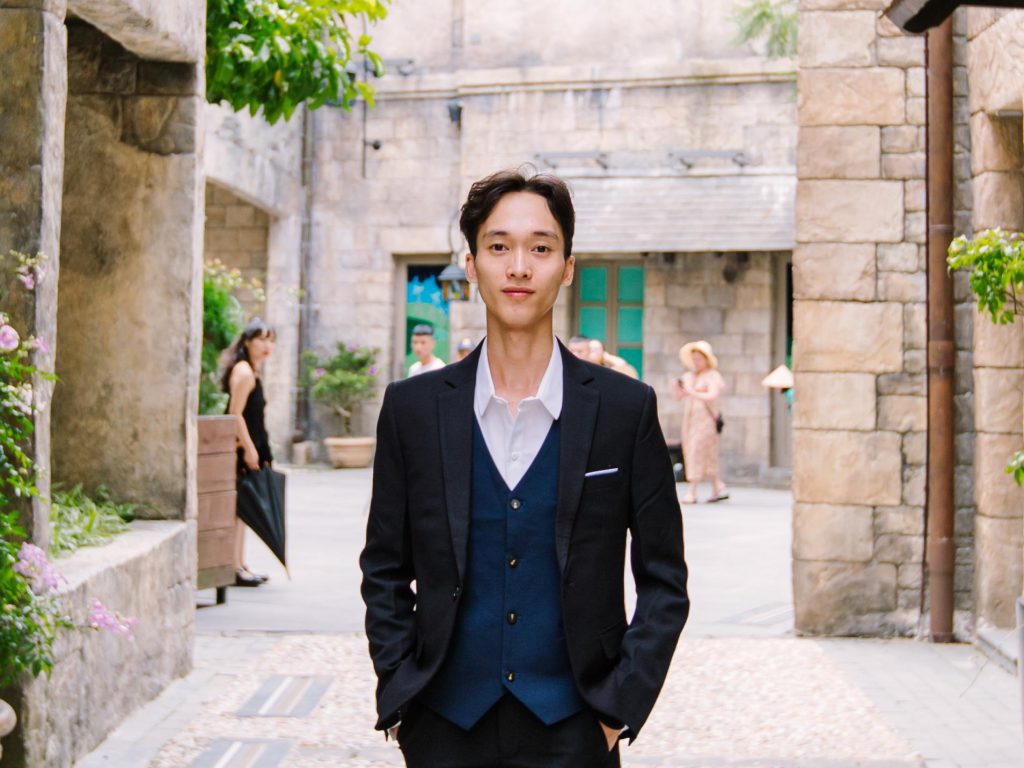
3. Program Coordinator
We are pleased to inform Vinh Tran as the first one-year-term CEW Program Coordinator of CKC.
On August 11, Center for Knowledge Co-creation and Development Research (CKC) organised the support package delivery ceremony for visually impaired workers affected by the COVID-19 pandemic working at the Niem Tin (Hope) Massage Service Center of Thua Thien Hue Province Blind Association. This is a part of the project “Support for blind massage workers affected by the COVID-19 pandemic in Hue city” initiated by CKC and supported by SEA Junction’s “Staying Resilient Amid the Pandemic in Southeast Asia” grant in partnership with CMB and WIEGO.
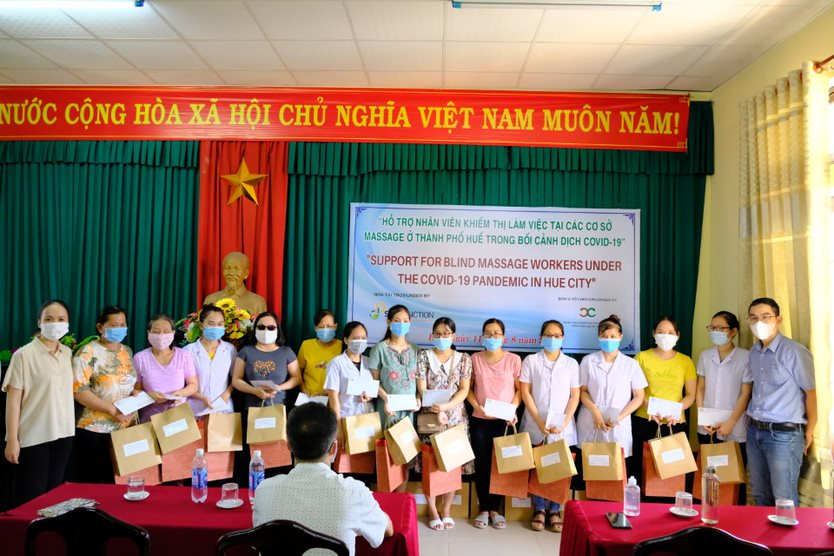
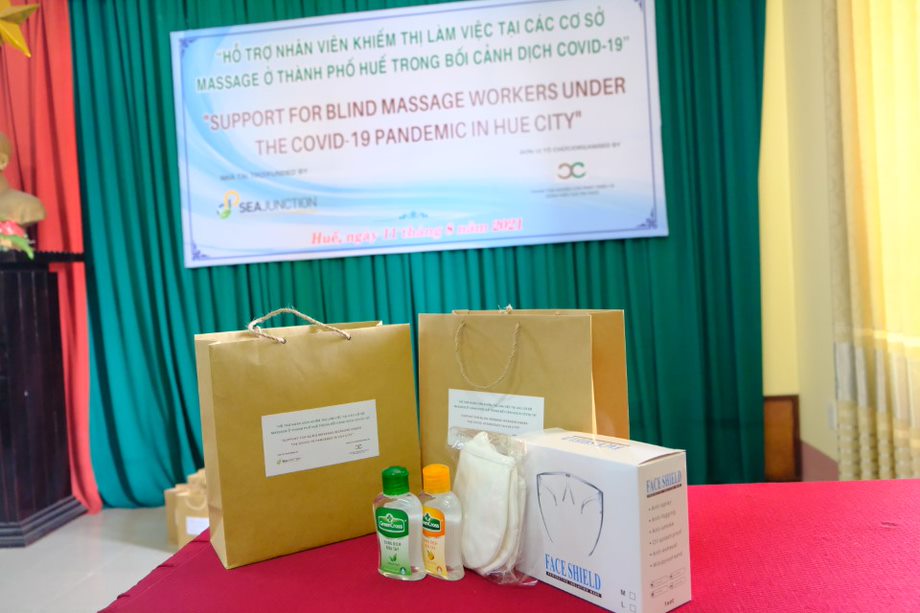
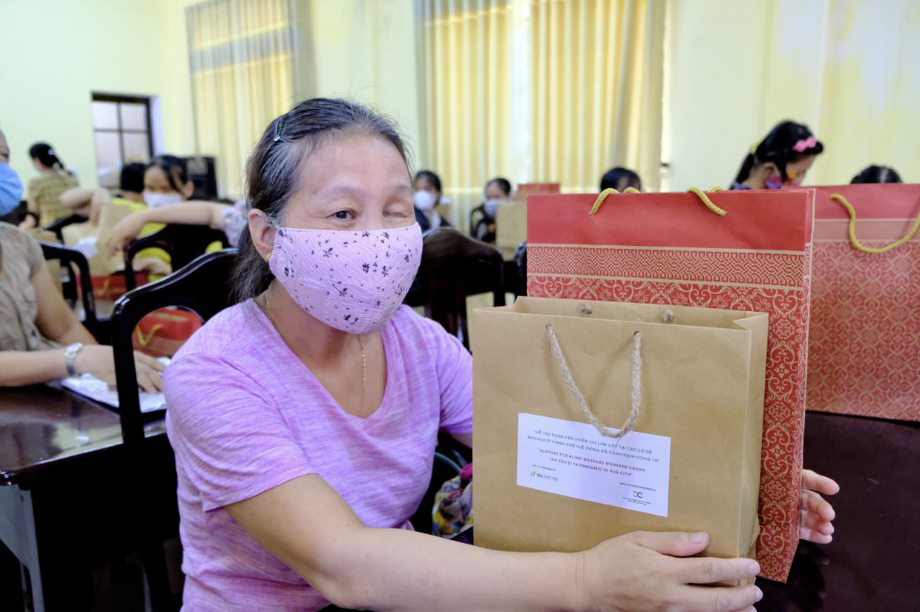
CKC provided health and safety kits for 31 blind massage workers and two thermometers for Niem Tin Center to enhance the Center’s protective services. A financial support of VND 10.5 million was provided to 15 female workers. Scholarship of VND 6.3 million was granted to nine children from extremely difficult blind households. CKC also transferred a transport cost support package valued VND 6.2 million which will be used as a promotional activity that attracts customers when the Center operation resumes to normal.
“This is seen as a significant encouragement and timely assistance at a time when blind people have been out of work for an extended period of time and have been unable to locate alternative sources of income since the pandemic’s emergence”, according to Mr. Le Van Loc – Standing Committee member of Vietnam Association of the Blind, Chairman of Thua Thien Hue Province Association of the Blind, Director of Niem Tin Massage Service Center. The COVID-19 pandemic has halted nearly all of the Center’s commercial activities, with the massage service considered the most impacted when social distance and restricted interaction are required during the pandemic.
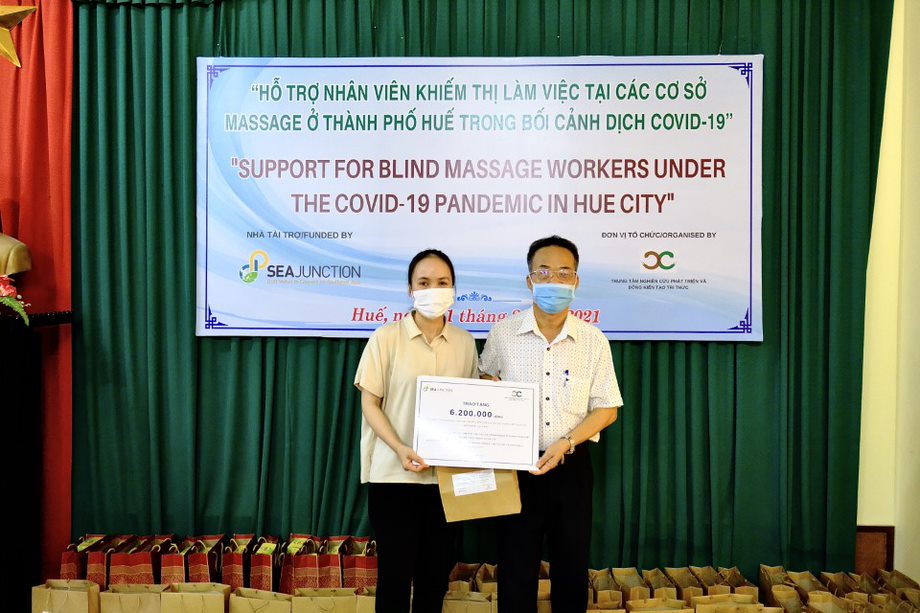
We gratefully acknowledge the timely support of SEA Junction, as well as the enthusiastic collaboration of Thua Thien Hue Province Association of the Blind, for the effective implementation of this activity. We hope that the pandemic situation would be under control shortly, allowing blind workers to resume their usual lives and jobs. Under the framework of this project, CKC will also work with Niem Tin Center to promote its marketing activities during coronavirus crisis.
Tu Nguyen