
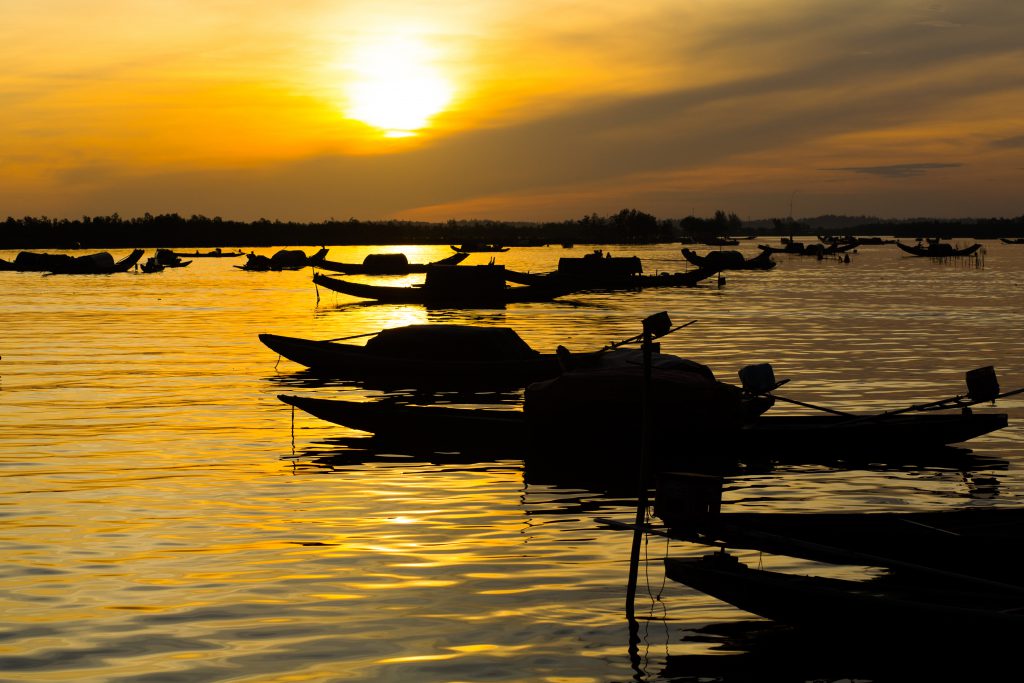
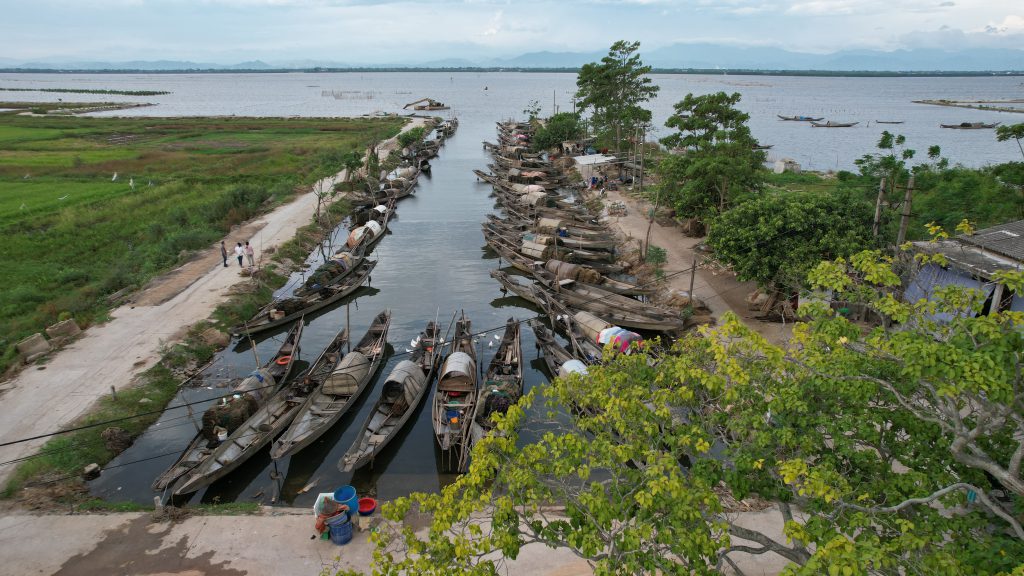
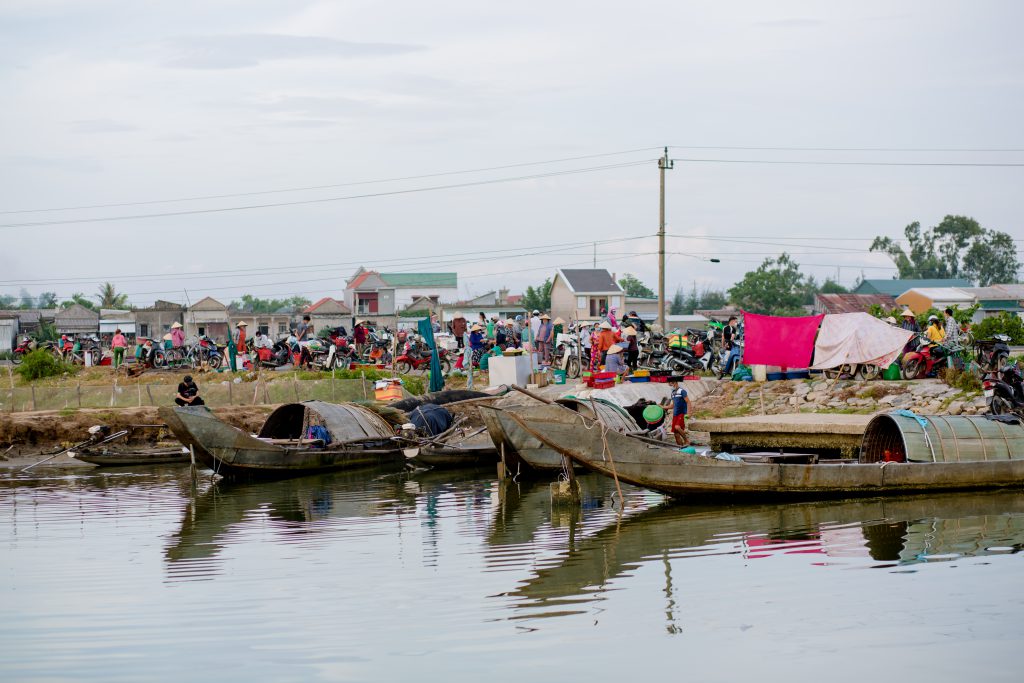
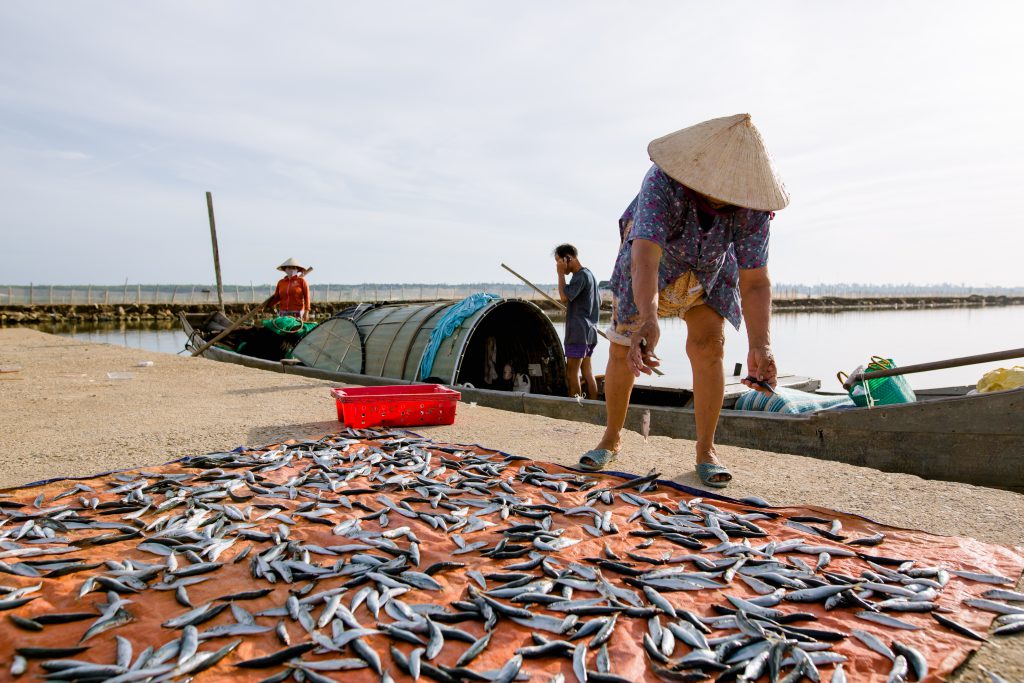
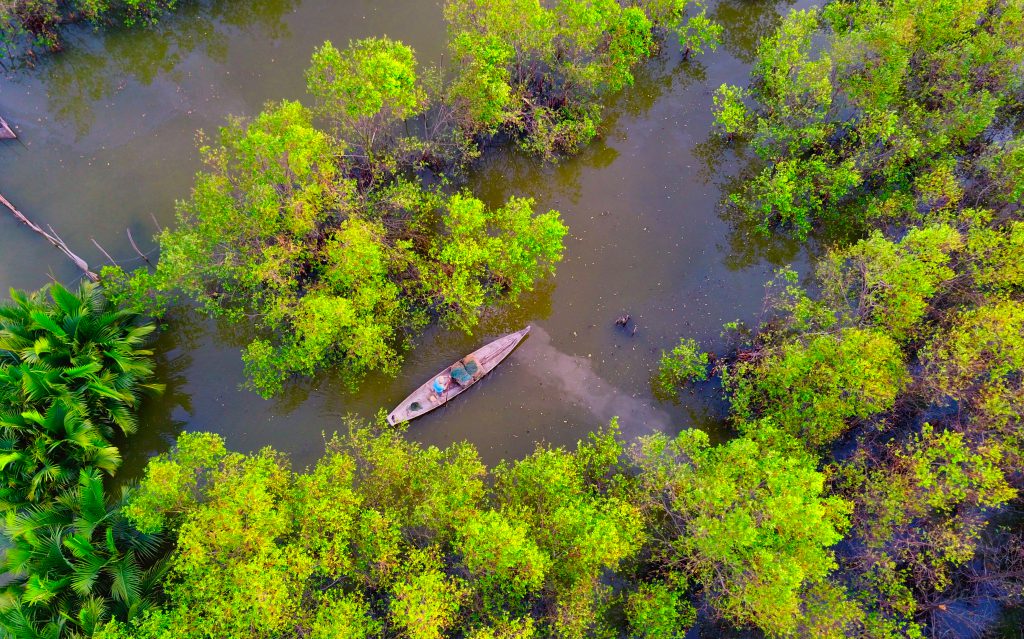
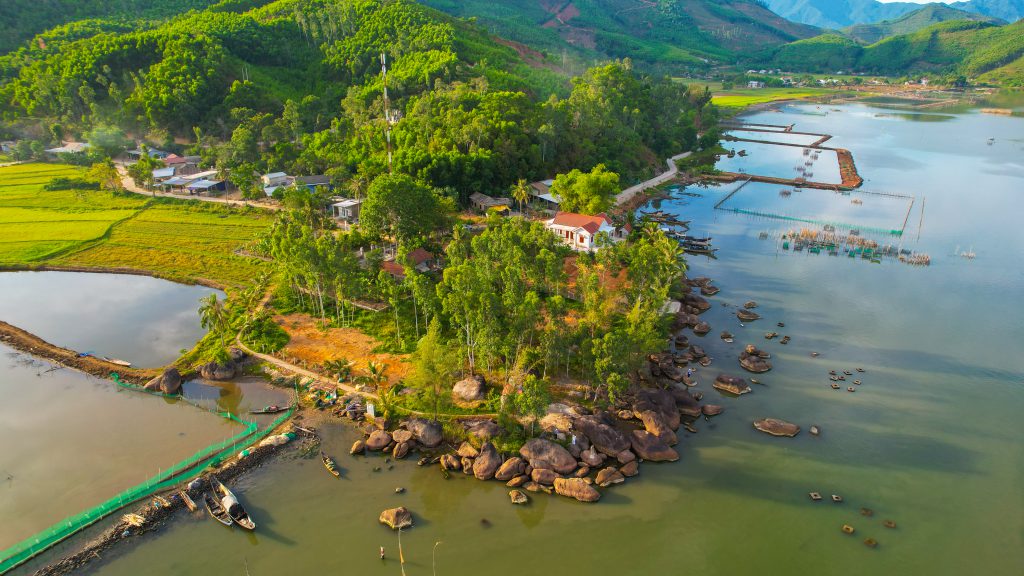
CKC successfully carried out five-day field visits to Quang Loi, Dien Hai, Phu An, Huong Phong, and Loc Binh communes with an expert team in the field of literature and history studies, photography and cinematography from 31 July to 8 August. During the field visits, we not only got a taste of the vibrant local life in the Tam Giang – Cau Hai lagoon, but we also engaged with local leaders, experienced elders, rustic fisherfolk, and young people who are passionate about their homes. Thanks to their enthusiastic support, we have collected valuable resources related to tangible and intangible cultural heritages, particularly oral traditions accumulated and inherited over history, which have been gradually vanished and not fully recorded.
“Lagoon tourism development demands a more systematic approach. One of the positive things is cultural heritage, but more efforts are needed in order to preserve it and to choose an appropriate approach which can be bequeathed to the future generation” said by Mr. Luong The Vinh, Former Vice Chairman of the People’s Committee of Loc Binh Commune. Creating an alternative and sustainable livelihood for local people through tourism development based on cultural and traditional values is an emerging need to reduce overfishing while protecting the lagoon ecosystem.
The field trip is a component of the PT Foundation-funded project “Sustainable Tourism through Cultural Heritage at the Tam Giang – Cau Hai Lagoon”, which will result in a publication based on researching, recording and using local cultures. Prior to the trip, local community researchers in five project communes spent a month on collecting and documenting the lagoon’s history, culture, customs, and stories. The field trip allows CKC to verify the research data and information collected and sense the enthusiasm and concerns of the local people for rich cultural values and development potentials of the Southeast Asia’s biggest lagoon.
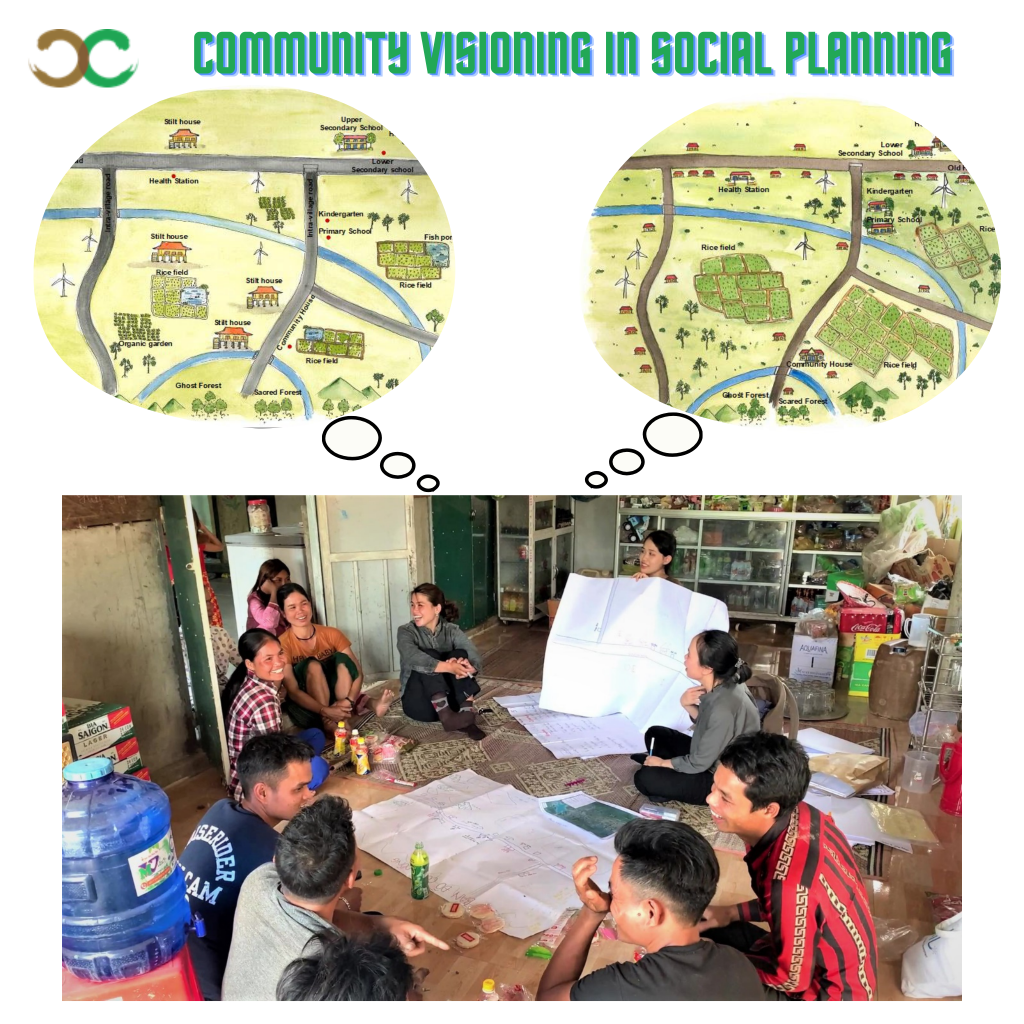
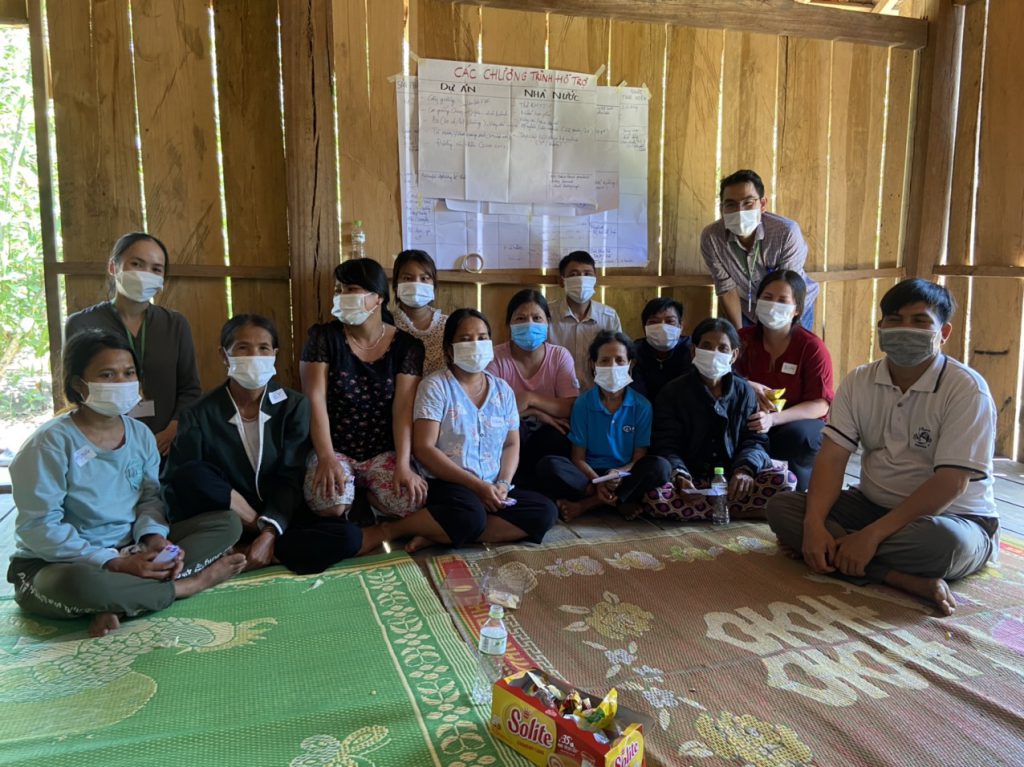
Impacts by capital projects on local communities, including Indigenous Peoples communities should be comprehensively assessed and mitigated with proper measures and management plans. Beyond that, project owners need to provide affected population with broad community support throughout the project lifecycle. CKC adopted a bottom-up, participatory method in visioning community development in short, medium, and long term interventions. Different groups from communities, especially women and vulnerable groups, were invited, raised their voices and engaged in this social planning process. Community development was envisioned and visualized so that it can be integrated with government, non-government, and project efforts.
CKC has for serval years engaged with ethnic minority communities affected by hydropower development in the Central Highlands for promoting social impact assessment and gender impact assessment.
Following that, CKC has recently supported a hydropower project to develop an Indigenous Peoples Plan (IPP) for affected Ca Dong (Xo Dang) communities in Kon Tum and Quang Ngai provinces. A comprehensive Indigenous Peoples development framework is proposed, including livelihood restoration and development, educational support, water and sanitation improvement, and cultural preservation. The IPP is expected to be the first step of an on-going process to achieve dialogical community development for affected Indigenous Peoples.
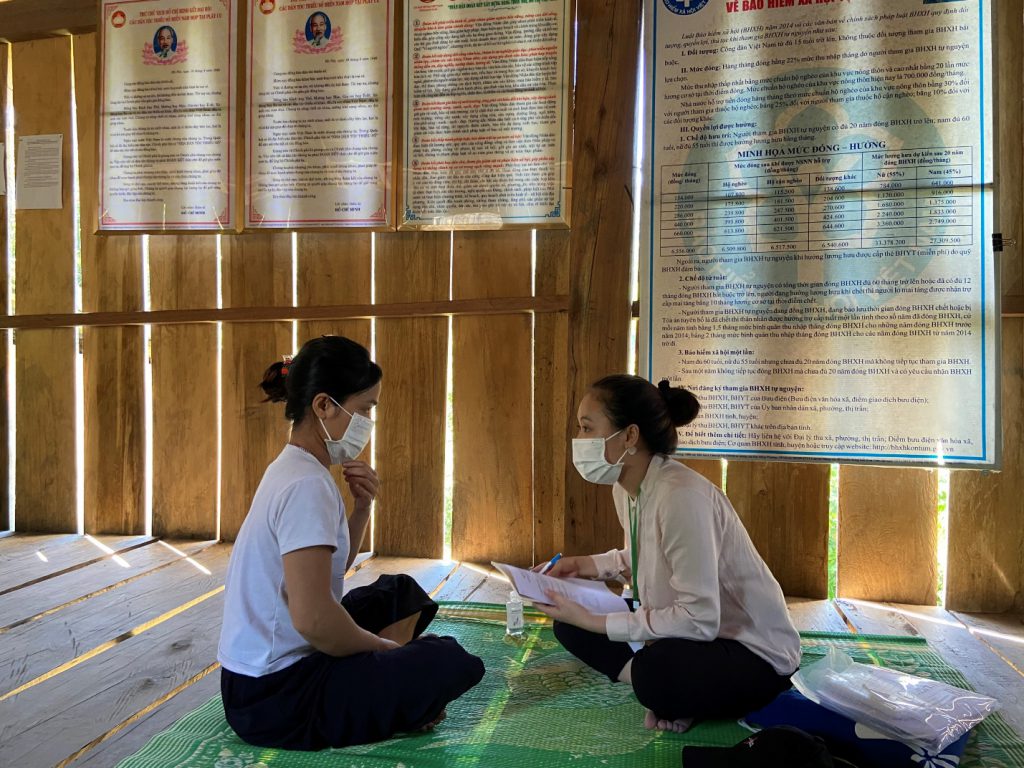
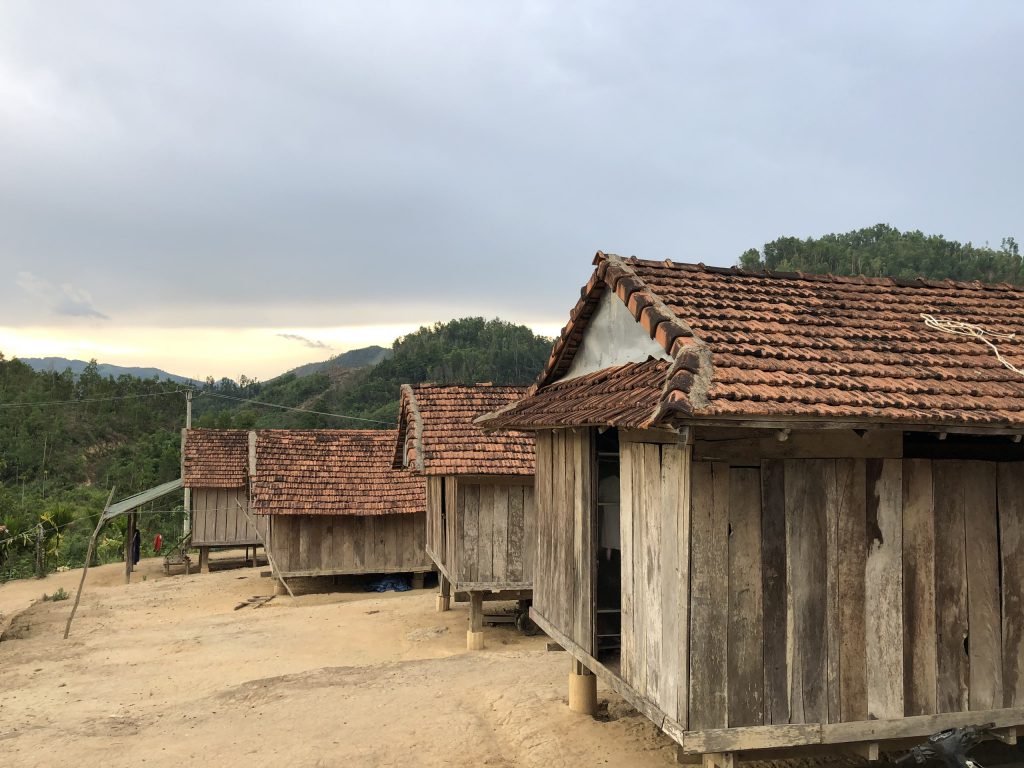
The free resettlement area were constructed under traditional stilt house architecture.
hi Duong