
Center for Knowledge Co-creation and Development Research (CKC) is looking for (2) motivated and high performing Project Officers to support in CKC’s social planning and social development projects.
OVERALL JOB PURPOSE:
∙ Responsible for the day-to-day management of medium to large field projects of all types.
∙ To manage and develop teams you are responsible for.
∙ To ensure professional standards of work are maintained and projects are completed to time and budget.
∙ To complete post-excavation analysis and reporting on projects undertaken in a timely manner and to the highest professional standard.
∙ To help develop methods of project initiation, execution and delivery.
REQUIREMENTS:
- QUALIFICATIONS
∙ Degree level education in a relevant subject or substantial practical experience
- EXPERIENCE & KNOWLEDGE:
∙ Significant supervisory experience
∙ Demonstrable excellence in research method and practice
∙ Significant experience in report writing at all levels
∙ In depth understanding of health and safety issues and considerations in social research
∙ Experience of working under time and budget pressures
∙ Ability to develop the business, through creating strong links with clients and other parties
∙ Desire to contribute to the development of CKC’s success and academic standing
- SKILLS & COMPETENCIES
∙ Strong interpersonal and influencing skills
∙ Excellent organisational and an ability to work under pressure ∙ Excellent communication skills (written and spoken)
∙ Proven ability to represent the organisation in dealings with external clients
∙ Highly numerate
∙ Willingness to be trained in and Implement CKC management policies
∙ Strong team-working skills
* Please find more details of the Job Description HERE.
ABOUT CKC:
CKC is a young and energetic non-profit research centre based in Hue, Vietnam. We specialize in social planning and sustainable development studies which empower disadvantaged groups including women, people with disabilities, and ethnic minorities. Projects that we focus on include:
- Impact assessments-environmental, social, gender and human rights
- Community development
- Gender equality
- Social planning and surveys
- Project management
- Sustainable development research
Co-working is at the heart of CKC’s vision. We work with government, NGOs, the community, and the private sector as equal partners and we collaborate with them. We want and need their active involvement in our work to achieve the best outcomes for everyone.
*For more details, please visit our website: https://ckcvietnam.org or our company profile HERE.
HOW TO APPLY
Candidates who are interested in working at CKC and qualified for the job are welcome to send us your CV & Cover Letter in English to ckcvietnam.info@gmail.com stating the position title CKC Project Officer – Full name in the subject line of the email. Please apply no later than 13 March 2021.
Only short-listed candidates will be contacted.
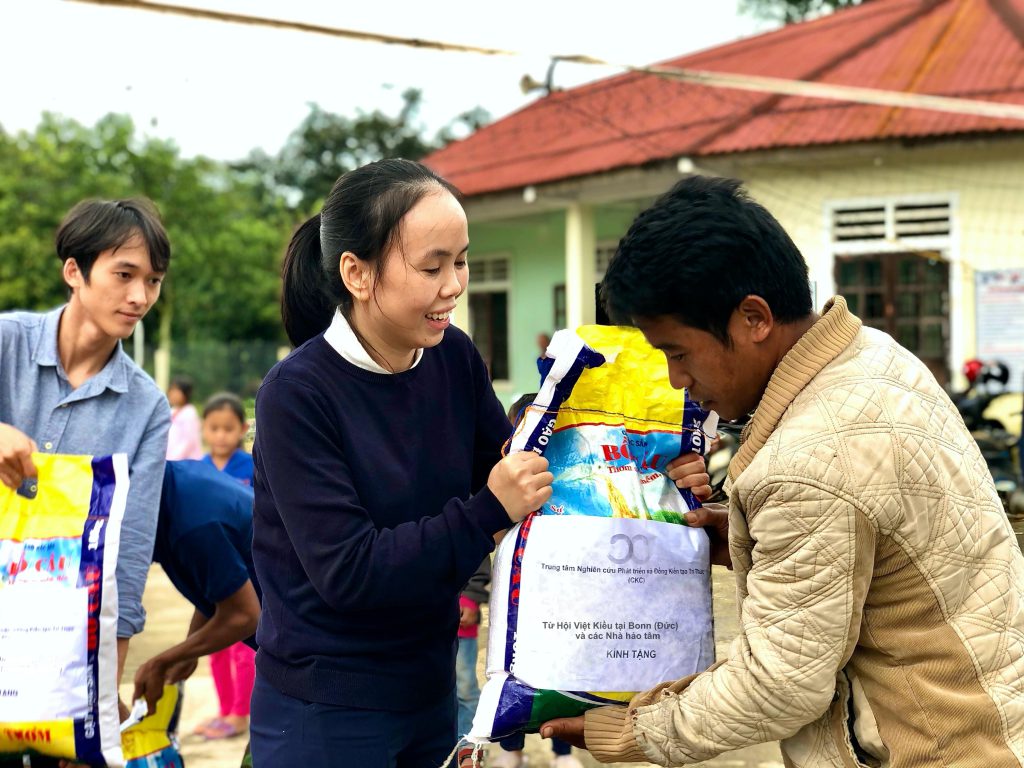
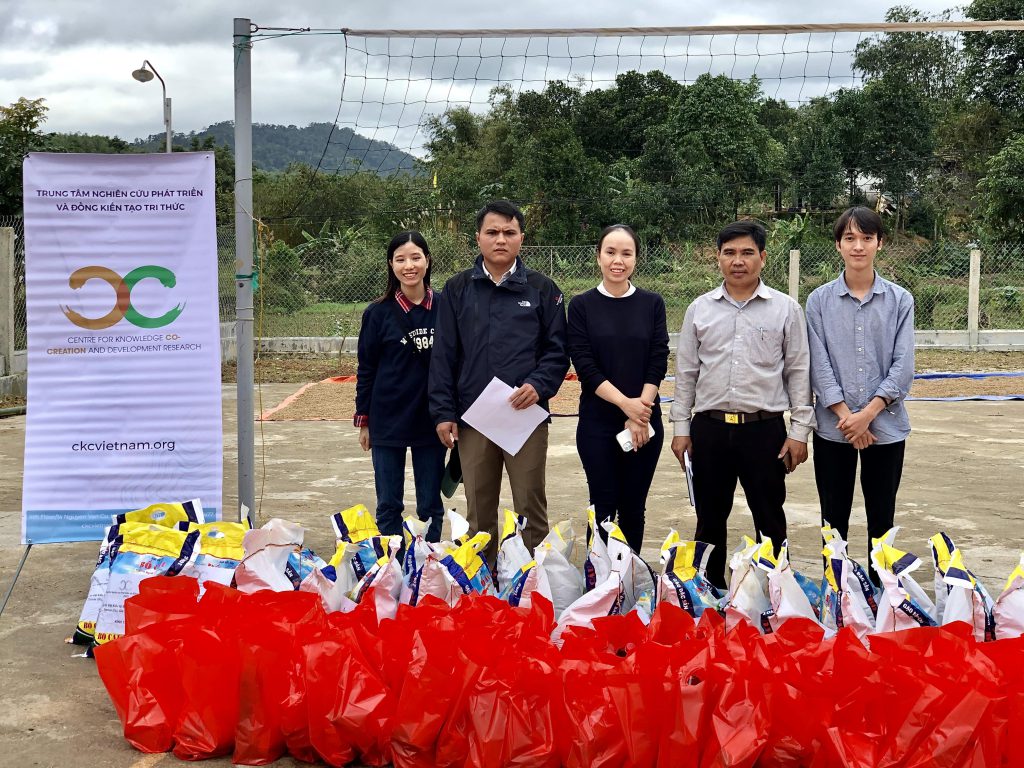
Shortly after the Typhoon No. 13 (Vamco), on November 17, CKC arrived to present support packages to the Pa Ko ethnic minority community affected by typhoons and floods in Ka Cu 1 village, Hong Van commune, A Luoi district.
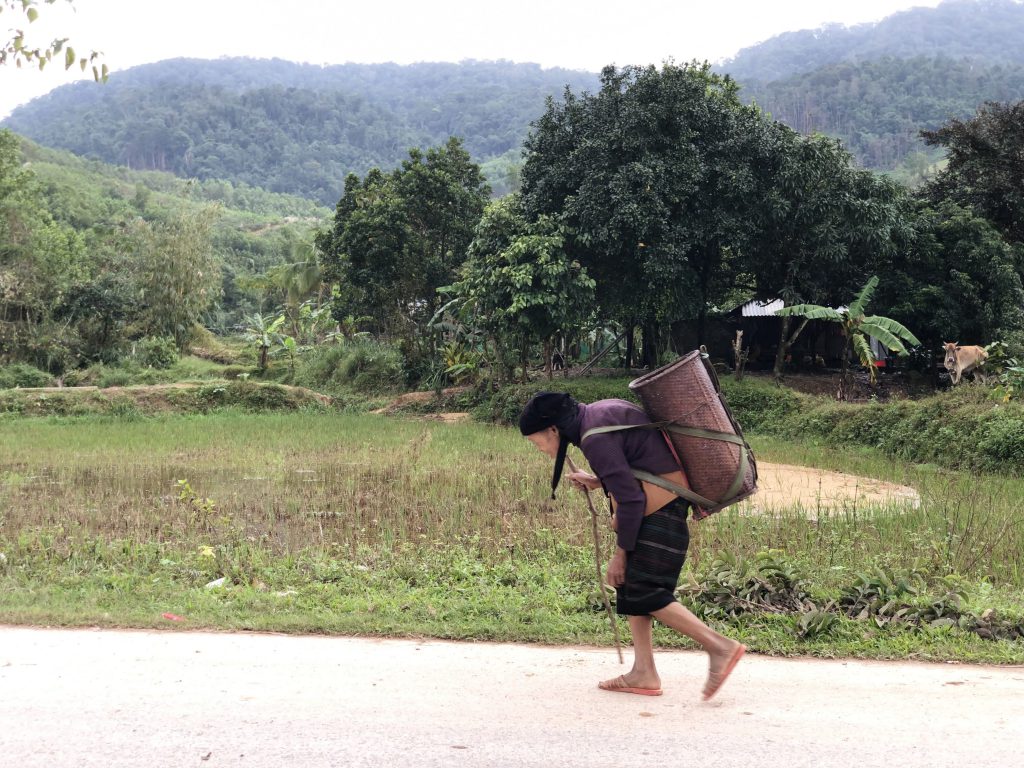
Ka Cu 1 is one of the extremely difficult villages in the mountainous and ethnic minority areas of Thua Thien Hue province, with more than half of the households of the village being poor and near poor (126 poor and near poor households out of 250 households). “After this flood, I fear that the number of poor and near-poor households will increase and those who just escaped poverty last year may become vulnerable again.” – According to Mr. Ho Van Cau – Head of Ka Cu 1 village.
As the village head reported, the villagers’ livelihoods depend primarily on growing rice and acacia, but the recent typhoons and prolonged floods have buried 60-70% of the cultivation lands and caused nearly all acacia trees to collapse. Moreover, as a result of the typhoons and floods, the roads leading to the forestry area and the border road between Vietnam and Laos were largely eroded, resulting in the sale of acacia trees to be blocked, and also the workers who plant acacia have lost their jobs during the past two months. The New Rice Ada Festival – the biggest and most important festival of the year of the Pa Ko ethnic group – is less exciting this year, because the upland rice had been soaked in water for so long that it started to sprout, which cannot be consumed and can only be fed to chickens and ducks.
Realising the plight of the Ka Cu 1’s villagers, and receiving support from the group of overseas Vietnamese living in Bonn (Germany), contributors from Australia and Gia Lai, CKC delivered support packages comprising basic necessities with a total value of VND 17,650,000 to 83 poor households. CKC hopes that these support packages can temporarily sustain the villagers when their livelihoods have not yet been restored.
CKC thanks again for your love and companionship with our activities and for the people of Central Vietnam affected by the last series of natural disasters. We hope for your support in our future community development efforts.
—
HỖ TRỢ BÃO LŨ CHO ĐỒNG BÀO DÂN TỘC THIỂU SỐ PA KÔ TẠI A LƯỚI, THỪA THIÊN HUẾ
Ngay sau khi cơn bão số 13 vừa đi qua, sáng qua (17.11), CKC đã đến thăm và chuyển tặng các gói hỗ trợ đến cộng đồng dân tộc thiểu số Pa Kô bị ảnh hưởng bởi thiên tai tại thôn Ka Cú 1, xã Hồng Vân, huyện A Lưới.
Ka Cú 1 là một trong những thôn đặc biệt khó khăn vùng dân tộc thiểu số và miền núi tỉnh Thừa Thiên Huế với hơn một nửa hộ dân của thôn thuộc diện hộ nghèo và cận nghèo (126 hộ nghèo và cận nghèo trên tổng số 250 hộ dân). “Sau đợt bão lũ này, tôi e rằng số hộ nghèo và cận nghèo sẽ tăng lên và những hộ vừa thoát nghèo năm vừa qua có thể sẽ tái nghèo.” – Theo chia sẻ của ông Hồ Văn Câu – trưởng thôn Ka Cú 1.
Theo phản ánh của trưởng thôn, nguồn sinh kế của đồng bào nơi đây phụ thuộc hầu hết vào việc làm nương rẫy và trồng keo, tuy nhiên những đợt bão lũ kéo dài đã vùi lấp 60-70% diện tích đất ruộng và làm gãy đổ gần như toàn bộ cây keo. Không những thế, do hậu quả của bão lũ, con đường dẫn đến nơi canh tác rừng cũng như tuyến đường biên giới Việt-Lào hầu hết đều bị sạt lở, khiến cho việc mua bán cây keo bị đình trệ, nhân công trồng keo cũng mất việc làm trong suốt hai tháng vừa qua. Lễ hội Ada mừng lúa mới – lễ hội lớn và quan trọng nhất năm của dân tộc Pa Kô – năm nay tại thôn Ka Cú 1 lại diễn ra kém phần phấn khởi, do lúa rẫy bị ngâm nước quá lâu nên toàn bộ bị nảy mầm, không thể tiêu thụ được mà chỉ có thể cho gà vịt ăn.
Nhận thấy hoàn cảnh khó khăn của đồng bào thôn Ka Cú 1, và nhận được sự ủng hộ từ các anh chị tại Bonn (Đức), cùng các nhà hảo tâm từ Úc và Gia Lai, CKC đã chuyển tặng đến 83 hộ nghèo tại thôn các gói hỗ trợ nhu yếu phẩm với tổng trị giá 17,650,000 đồng. CKC hy vọng rằng những gói hỗ trợ này có thể tạm thời giúp đỡ người dân trong tình cảnh sinh kế của họ chưa kịp phục hồi sau bão lũ.
CKC lần nữa cảm ơn tình cảm và sự đồng hành của quý vị cùng hoạt động của Trung tâm cũng như người dân miền Trung ảnh hưởng bởi chuỗi thiên tai vừa qua. Chúng tôi rất mong nhận được sự ủng hộ của quý vị cho những hoạt động phát triển cộng đồng trong tương lai.
On 24th October, CKC arrived in Phong My commune, Phong Dien district to present support packages to all households affected by typhoons and floods of Khe Tran village, and to give 100kg of rice from the Winter Heaven Florida volunteer group to 10 households of Ha Long village.
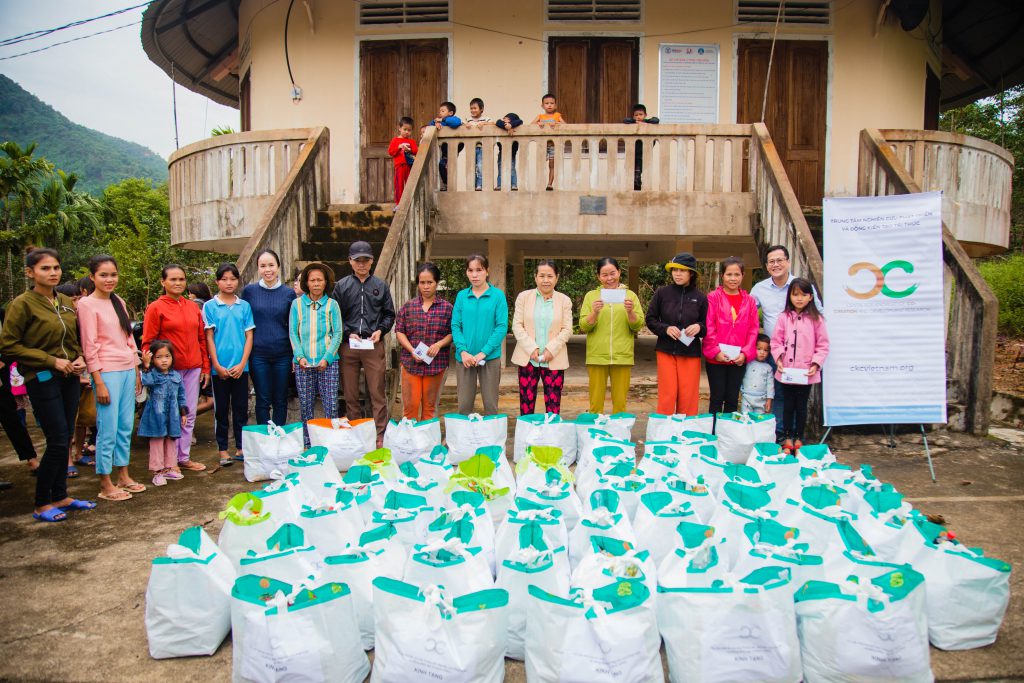
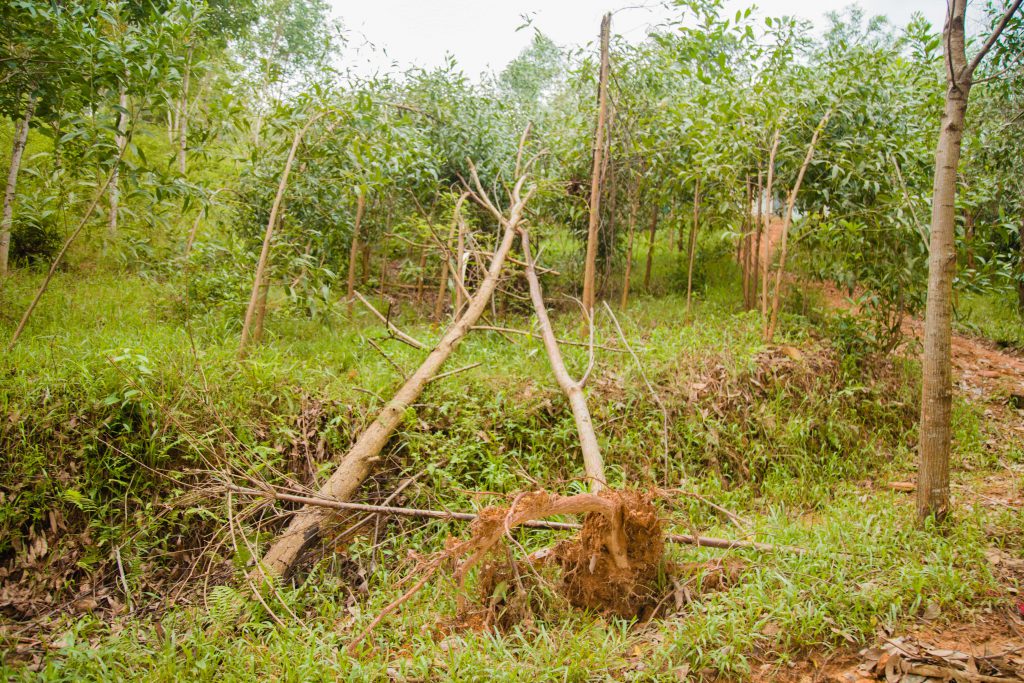
“The latest storm and flood caused nearly 70% of the rubber trees to collapse, not to mention acacias and other small plants, while acacias and rubber trees are the main crops of the villagers. “ – According to Ms. Le Na – Phong My commune official. Mr. Phuc – Khe Tran village head – also said that Ham Heo tourist area, which used to be a major source of income for the villagers with the highest number of visitors of 2,000 per day, is now severely affected when most of the stilt houses collapsed. Not only that, the livestock activities also face many difficulties. “Before the storm, there was a program that subsidized 10 households with five goats for each, but now half are dead.” – Mr. Phuc shared.
Knowing that disaster relief is a long journey, CKC still hopes that the gifts we give on behalf of the contributors can partly support those affected during this time of distress. CKC also wants to continue to implement community development programs for the Pa Hy ethnic minorities living here to bring about more sustainable changes.
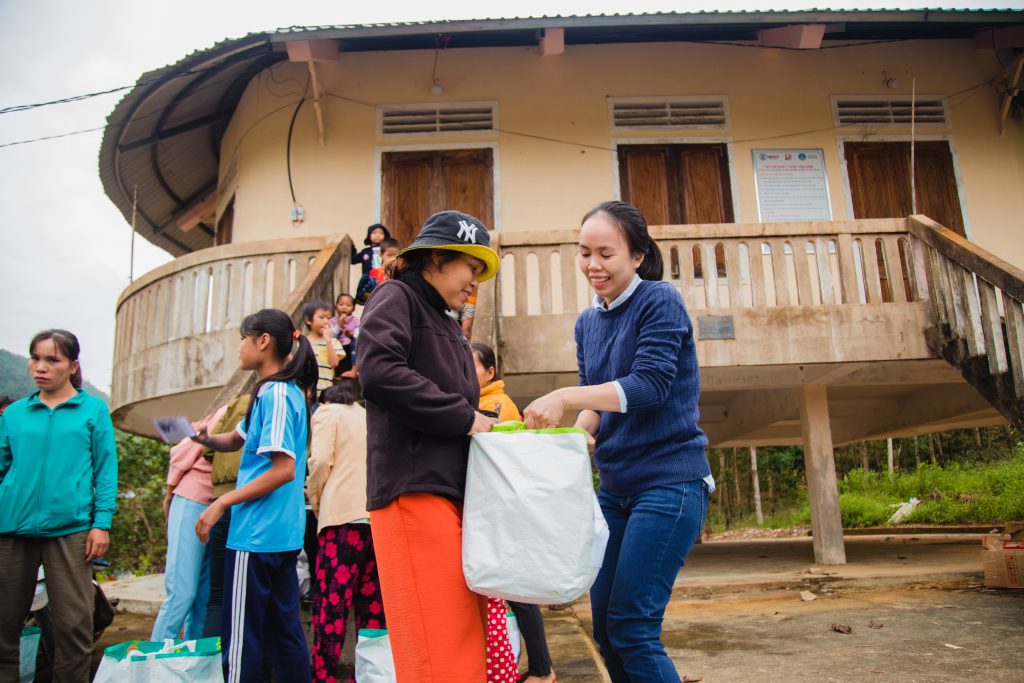
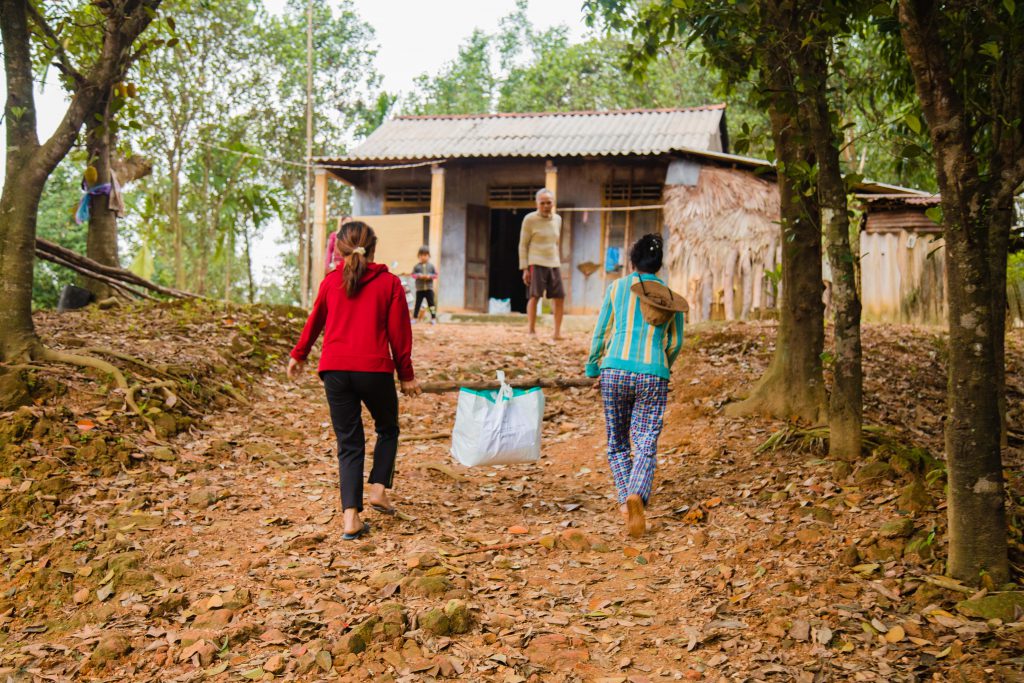
CKC would like to thank all the generosity from all over the world for supporting us in this activity. We look forward to accompanying you in the next activities.
Writer: Chi Duong
HỖ TRỢ BÃO LŨ 2020: CÁC PHẦN QUÀ ĐÃ ĐƯỢC CHUYỂN ĐẾN ĐỒNG BÀO
BỊ ẢNH HƯỞNG TẠI XÃ PHONG MỸ
Sáng ngày 24 tháng 10, CKC đã có mặt tại xã Phong Mỹ, huyện Phong Điền để chuyển tặng tận tay các phần quà hỗ trợ bão lũ đến toàn hộ dân tại thôn Khe Trăn, cũng như 100kg gạo từ nhóm thiện nguyện Winter Heaven Florida đến 10 hộ dân tại thôn Hạ Long.
“Trận bão lũ vừa qua đã khiến gần 70% cây cao su bị gãy sập, đó là chưa tính đến cây tràm và các cây con khác. Trong khi đó, tràm và cao su lại là cây chủ lực của bà con nơi đây.” – Theo thông tin từ chị Lê Na – cán bộ xã Phong Mỹ. Anh Phúc – trưởng thôn Khe Trăn còn cho biết khu du lịch Hầm Heo – từng là nguồn sinh kế quan trọng cho bà con trong bản với lượt khách tham quan cao nhất là 2000 lượt một ngày – nay cũng bị ảnh hưởng nặng nề khi hầu hết các căn nhà sàn đều bị sập. Không những thế, hoạt động chăn nuôi của người dân cũng gặp nhiều khó khăn. “Trước bão có chương trình hỗ trợ cấp dê cho 10 hộ, mỗi hộ năm con, nhưng giờ đã chết hết một nửa.” – Anh Phúc chia sẻ.
Tuy biết rằng việc bù đắp cho những tổn thất sau thiên tai của người dân là một hành trình dài, CKC vẫn hy vọng rằng những món quà mà chúng tôi được thay mặt chuyển tặng hôm nay có thể phần nào hỗ trợ người dân qua giai đoạn ngặt nghèo hiện tại. CKC cũng mong muốn có thể tiếp tục triển khai những chương trình phát triển cộng đồng cho đồng bào dân tộc thiểu số Pa Hy sinh sống tại đây để mang lại những thay đổi bền vững hơn cho người dân trong thời gian tới.
Một lần nữa, CKC trân trọng cảm ơn những tấm lòng từ khắp trong và ngoài nước đã ủng hộ hoạt động hỗ trợ bão lũ này. Rất mong được đồng hành cùng anh chị trong những hoạt động tiếp theo.