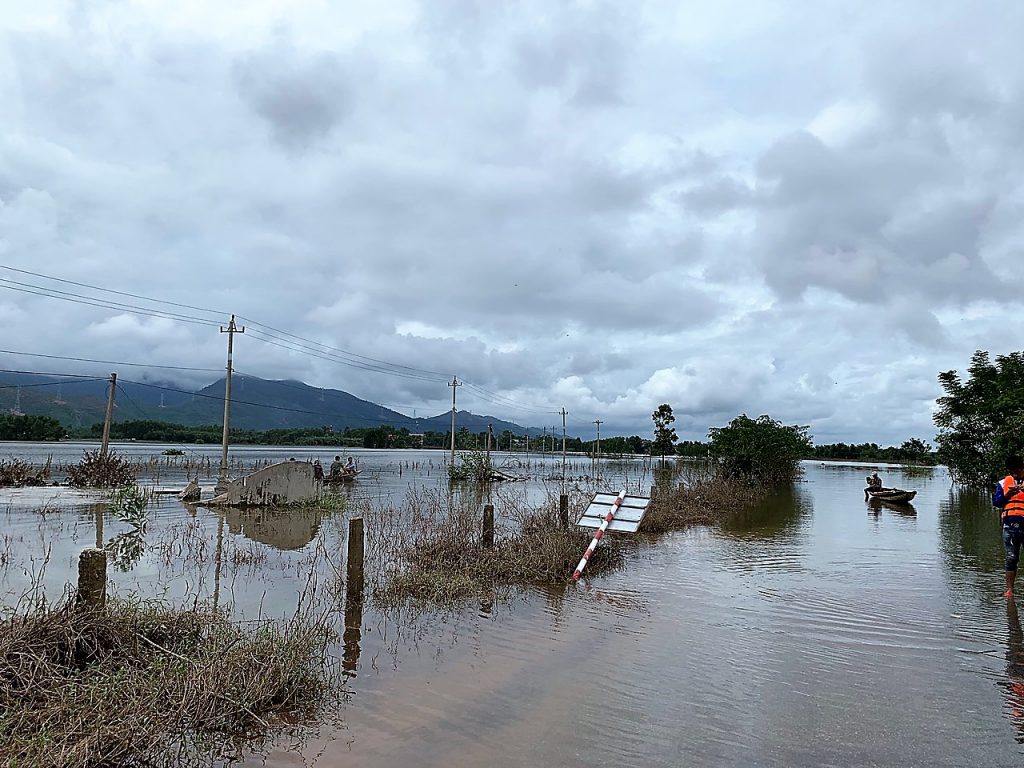
Remotely located in the western mountainous part of Thua Thien Hue province, near the Vietnam-Laos border, Khe Tran is the home of the Pahy ethnic minority Khe Tran villagers who have encountered special difficulties in their daily life have been doubly exposed to severe impacts by recent typhoons and floods.
In order to promptly support people affected by the typhoon and floods and partly help them better respond to upcoming extreme weather events, CKC has planned a visit to present support packages to the Pahy community in Khe Tran village, Phong My commune, Phong Dien district on this Saturday, the 14 October 2020.
CKC greatly appreciates the contributions of the individuals and families from Hue, Da Nang, and Ho Chi Minh City as well as from Australia, Germany, and America, which enable us to reach all 55 households of the village. Each VND 400,000 valued support package consists of basic necessities such as rice, milk, cooking oil, fish sauce, sugar, salt, canned fish, flour and soap. In addition, cash assistance sets valued VND 300,000 per each will be granted to all 13 poor and near poor households.
CKC hopes to receive further contribution and sharing so that we can extend support to many more affected households in need in Central Vietnam.
For more information, please visit the link: https://ckcvietnam.org/du-an/trach-nhiem-xa-hoi/post-flood-relief-to-ethnic-minority-communities-in-phong-dien-district-thua-thien-hue-province/
KẾ HOẠCH HỖ TRỢ CỘNG ĐỒNG NGƯỜI PAHY BỊ ẢNH HƯỞNG BỞI BÃO LŨ
Nằm ở phía Tây tỉnh Thừa Thiên Huế, gần vùng biên giới Việt-Lào, Khe Trăn là một thôn miền núi hẻo lánh, là địa bàn cư trú của phần đông đồng bào dân tộc thiểu số Pahy. Sống ở nơi có địa hình hiểm trở, địa bàn sinh sống rải rác và biệt lập, lại là một thôn đặc biệt khó khăn của cả nước, người dân thôn Khe Trăn vốn đã gặp nhiều trở ngại trong cuộc sống thường nhật, nay càng khó xoay xở hơn khi thiên tai ập đến.
Để kịp thời hỗ trợ người dân sau đợt bão lũ vừa qua và cũng phần nào giúp đồng bào ứng phó nếu có bất kỳ sự cố thời tiết nào xảy ra trong thời gian tới, CKC sẽ đến thăm và chuyển tặng các phần quà cho cộng đồng bị ảnh hưởng tại thôn Khe Trăn, xã Phong Mỹ, huyện Phong Điền vào thứ 7 tuần này, ngày 24 tháng 10.
CKC chân thành cảm ơn sự đóng góp của các cá nhân và gia đình từ Huế, Đà Nẵng, Sài Gòn đến Úc, Đức, Mỹ để có thể trao tặng gói hỗ trợ cho 55 hộ dân toàn thôn. Mỗi phần quà trị giá 400.000 đồng bao gồm các nhu yếu phẩm như gạo, sữa, dầu ăn, nước mắm, đường, muối, cá hộp, bột mỳ và xà phòng. Riêng đối với 13 hộ nghèo và cận nghèo của thôn, mỗi hộ sẽ nhận thêm một phần quà hiện kim trị giá 300.000 đồng.
CKC vô cùng trân trọng và hy vọng sẽ tiếp tục được nhận sự đóng góp trực tiếp, hoặc hỗ trợ chia sẻ thông tin để có thể mang những phần quà như mong muốn đến với người dân không chỉ ở Khe Trăn mà còn ở nhiều cộng đồng đang gặp khó khăn khác trong thời gian tới.
Để biết thêm thông tin chi tiết, vui lòng truy cập đường link: https://ckcvietnam.org/du-an/trach-nhiem-xa-hoi/post-flood-relief-to-ethnic-minority-communities-in-phong-dien-district-thua-thien-hue-province/
More than two decades since the historic flood in 1999, people of Thua Thien Hue province have suffered again severe losses from heavy flooding while they have not yet recovered after the cumulative impacts from the early and mid 2020 Covid-19 pandemic and the mid-September typhoon No.5. At least 5 deaths, 30 missing, 11 houses collapsed, damaged, or unroofed, 63,000 houses submerged and isolated, and thousands of people in the extreme lack of food and basic necessities have been statistically recorded during the last flood apart from immense material losses (land, crops, livestock, and household assets). (*)
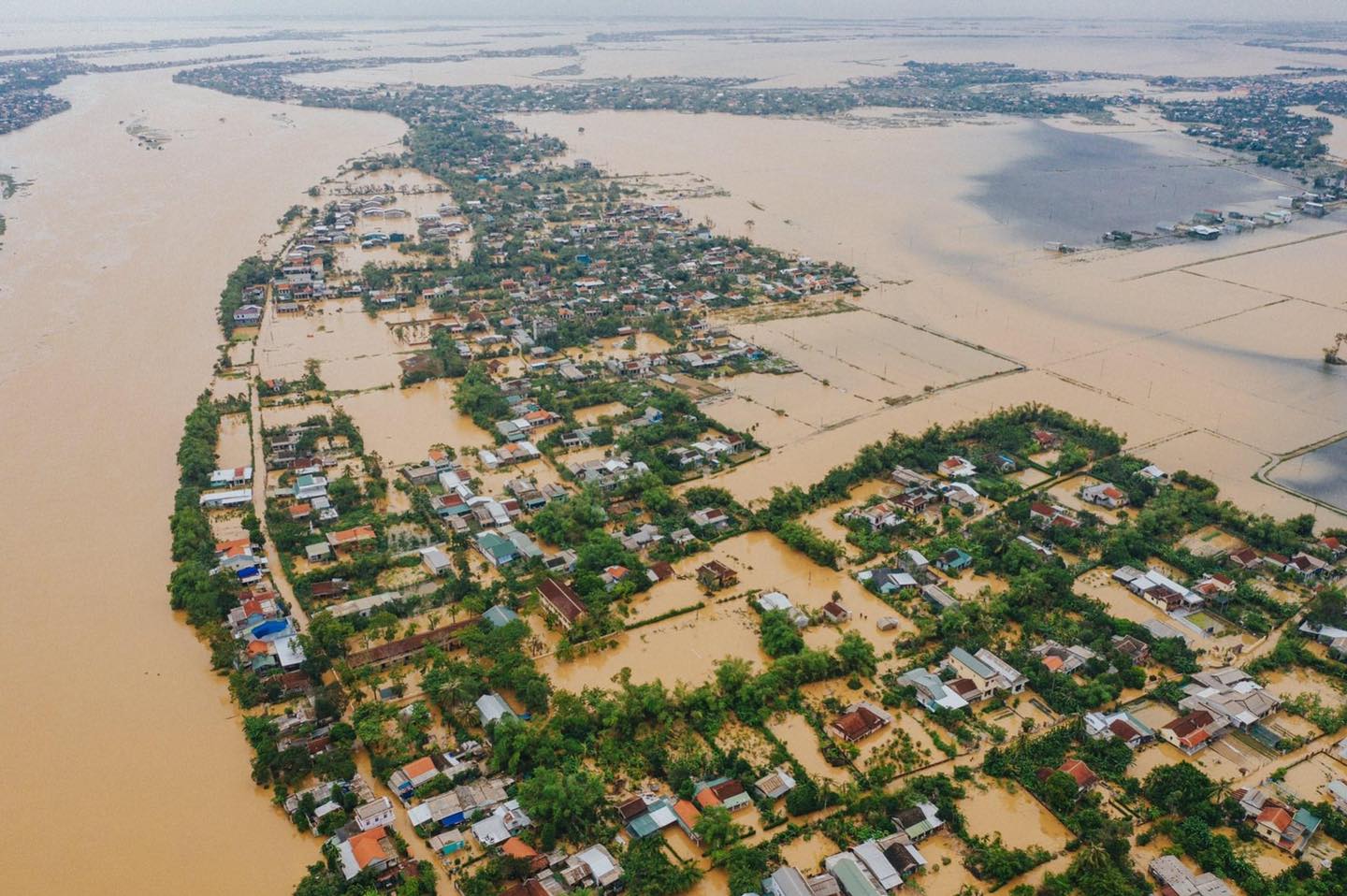
Phong Dien district, Thua Thien Hue province is one of the lowland areas that has been severely affected by floods. Phong My and Phong Son communes in Phong Dien district, which are categorised as extremely difficult communes of the province, are home to Pa Co, Pa Hy, Van Kieu and Co Tu ethnic minorities. These ethnic groups are living in a vast and geographically dispersed area that is full of obstacles and difficult to access. They are more vulnerable to the direct strikes of the typhoon and floods due to their low resilience to natural disasters.
Acknowledging the urgent need of support for ethnic minority communities living in the mentioned areas, Center for Knowledge Co-creation and Development Research (CKC) kindly calls for contributions from both domestic and international individuals and organisations to promptly support the affected households.
Contributions due by October 25, 2020.
CKC will update a report on the plan and results of resource ultilisation to each participating individual and organisation throughout the process of activity implementation.
All contributions are please sent to:
- Account name: Center for Knowledge Co-creation and Development Research
- Account number: 0161 001 737 295
- Name of bank: Joint Stock Commercial Bank for Foreign Trade of Vietnam (VietcomBank) – Hue branch
- Bank address: 78 Hung Vuong, Hue city, Vietnam
- Bank account holder: Nguyen Ngoc Khanh Van. ID number: 191525670
- Swift code: BFTVVNVX016
Or contact us directly via
Center for Knowledge Cocreation and Development Research (CKC)
- Address: 4th floor, 14th Nguyen Van Cu, Hue city
- Telephone: 0234 3876 877 or 0899 207 527 (Ms Lan Chi)
- Email: ckcvietnam.info@gmail.com
Please specify the transaction content by the following form: NAME_FLOOD RELIEF 2020_CKC
In addition, to ensure the communication between CKC and participating individual/organizations conveniently and transparently, please fill in your contact and the amount of support through the link: https://bit.ly/377iCsc
CKC sincerely appreciates your support and companionship.
(*) According to a report of the Thua Thien Hue Provincial Steering Committee for Natural Disaster Prevention and Control, Search and Rescue on October 13, 2020.
———————————————————————————————————————————————————
SAN SẺ GÁNH NẶNG SAU THIÊN TAI CÙNG ĐỒNG BÀO DÂN TỘC THIỂU SỐ
TẠI PHONG ĐIỀN, THỪA THIÊN HUẾ
Sau hơn hai thập kỷ, người dân tỉnh Thừa Thiên Huế lại điêu đứng khi phải hứng chịu những tổn thất nghiêm trọng do trận mưa lũ lịch sử gây ra, trong bối cảnh dịch Covid-19 từ đầu năm 2020 vẫn còn tiếp diễn và những dư chấn từ cơn bão lớn số 5 Noul vào giữa tháng 9 vẫn chưa được xoa dịu. Trong trận lũ vừa qua, có ít nhất 5 người chết, khoảng 30 người bị mất tích, 11 nhà dân bị sập, tốc mái, hư hỏng, gần 63.000 nhà dân bị ngập sâu, cô lập, thiếu thốn lương thực và nhu yếu phẩm, chưa kể đến những tổn thất về đất đai, hoa màu, gia súc và tài sản khác. (*)
Huyện Phong Điền, tỉnh Thừa Thiên Huế là một trong những nơi có địa bàn thấp trũng và chịu ảnh hưởng nặng nề từ lũ lụt. Trong đó, hai xã Phong Mỹ và Phong Sơn thuộc huyện Phong Điền vốn là các xã đặc biệt khó khăn của Tỉnh, là địa bàn cư trú của 04 dân tộc thiểu số gồm Pa Cô, Pa Hy, Vân Kiều và Cơ Tu. Đồng bào dân tộc thiểu số sinh sống ở vùng có địa hình hiểm trở, địa bàn phân tán, giao thông đi lại khó khăn. Chính vì vậy, họ là nhóm dễ bị tổn thương bởi không chỉ chịu tác động trực tiếp do bão lũ mà còn thiệt thòi hơn trong khả năng chống chọi trước thiên tai.
Nhận thấy nhu cầu hỗ trợ cấp thiết cho cộng đồng dân tộc thiểu số sinh sống tại các địa bàn trên, Trung tâm Nghiên cứu Phát triển và Đồng kiến tạo Tri thức (CKC) kêu gọi sự đóng góp từ các cá nhân, tổ chức trong và ngoài nước để trao tặng kịp thời các gói hỗ trợ đến các hộ gia đình bị ảnh hưởng.
Thời gian nhận hỗ trợ: 15/10/2020 đến 25/10/2020.
CKC sẽ gửi báo cáo về kế hoạch và kết quả sử dụng nguồn hỗ trợ đến từng cá nhân và tổ chức tham gia trước, trong và sau khi thực hiện hoạt động. Mọi đóng góp xin vui lòng gửi về:
- Trung tâm Nghiên cứu Phát triển và Đồng kiến tạo Tri thức (CKC)
- Số tài khoản: 0161 001 737 295
- Tên ngân hàng: Ngân hàng Thương mại Cổ phần Ngoại thương Việt Nam (VietcomBank)
- Địa chỉ ngân hàng: 78 Hùng Vương, thành phố Huế
- SWIFT: BFTVVNVX016
Hoặc liên hệ trực tiếp qua:
Trung tâm Nghiên cứu Phát triển và Đồng kiến tạo Tri thức (CKC)
- Địa chỉ: Tầng 4, 14 Nguyễn Văn Cừ, thành phố Huế
- SĐT: 02343876877 hoặc 0899 207 527 (Lan Chi)
- Email: ckcvietnam.info@gmail.com
Vui lòng ghi rõ nội dung giao dịch theo mẫu sau: TÊN CÁ NHÂN/TỔ CHỨC_HỖ TRỢ BÃO LỤT 2020_CKC
Bên cạnh đó, để đảm bảo việc truyền thông giữa CKC và cá nhân/tổ chức có mong muốn đóng góp diễn ra thuận tiện và minh bạch, quý vị vui lòng cung cấp thông tin cá nhân kèm theo mức hỗ trợ theo đường link sau: https://bit.ly/377iCsc
CKC chân thành cảm ơn sự chia sẻ và đồng hành của quý vị.
(*) Theo báo cáo mới nhất của Ban chỉ huy Phòng chống thiên tại và Tìm kiếm cứu nạn tỉnh Thừa Thiên Huế vào ngày 13/10/2020.
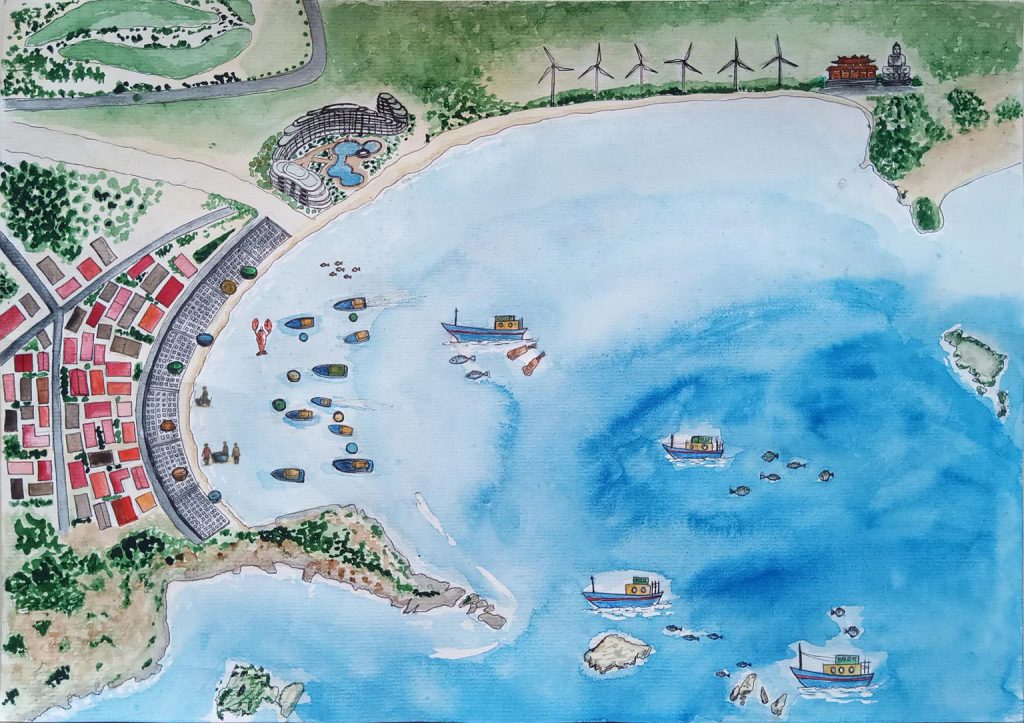
Neither “they are fishermen because they are poor” nor “they are poor because they are fishermen”: Lifting fisher people out of poverty or restoring their livelihoods impacted by ‘development’ projects should go beyond what is suggested under the economic and biological paradigm.
Cognitive, social and institutional determinants need to be prudently understood in the design of development interventions. This involves intersectoral processes such as social inclusion, benefit redistribution, capacity building, participation and empowerment.