Resource Mapping To Understand Socio-Economic Development Of The Surveyed Areas

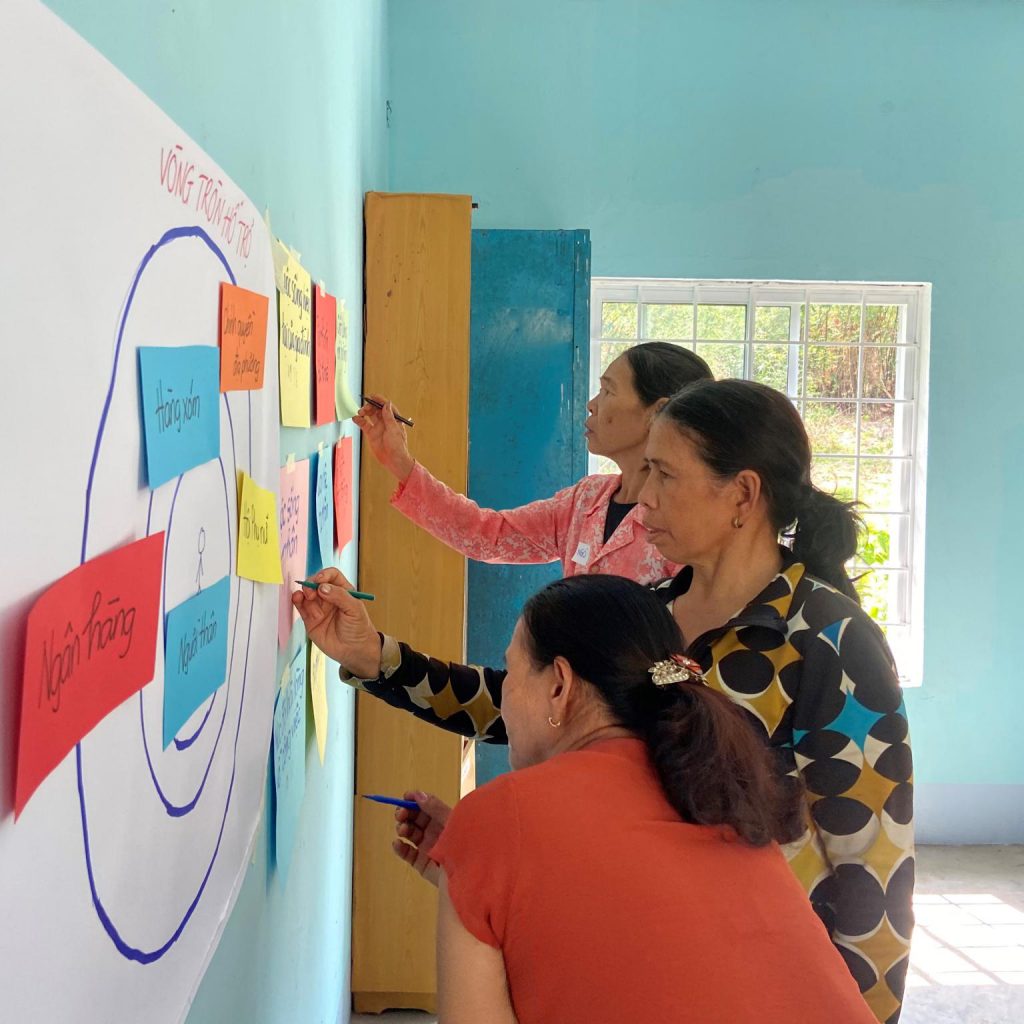
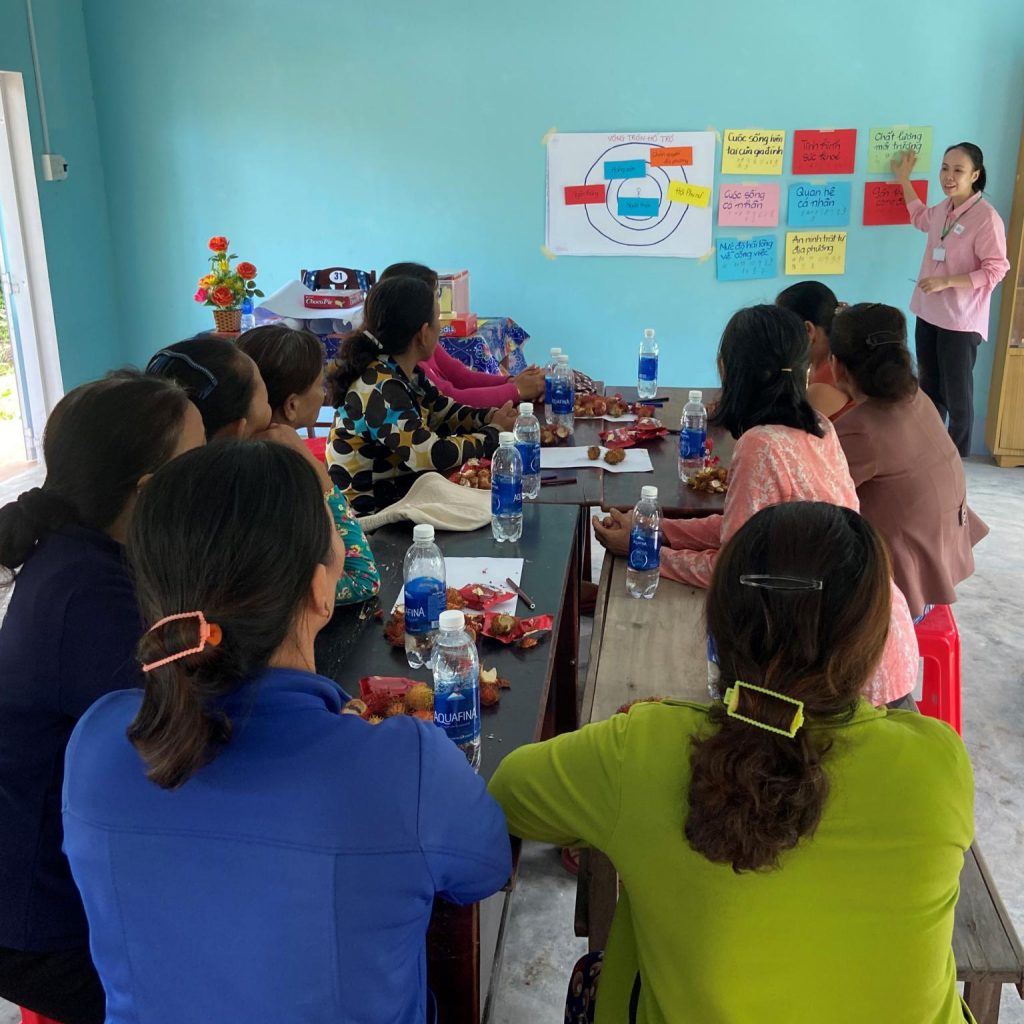
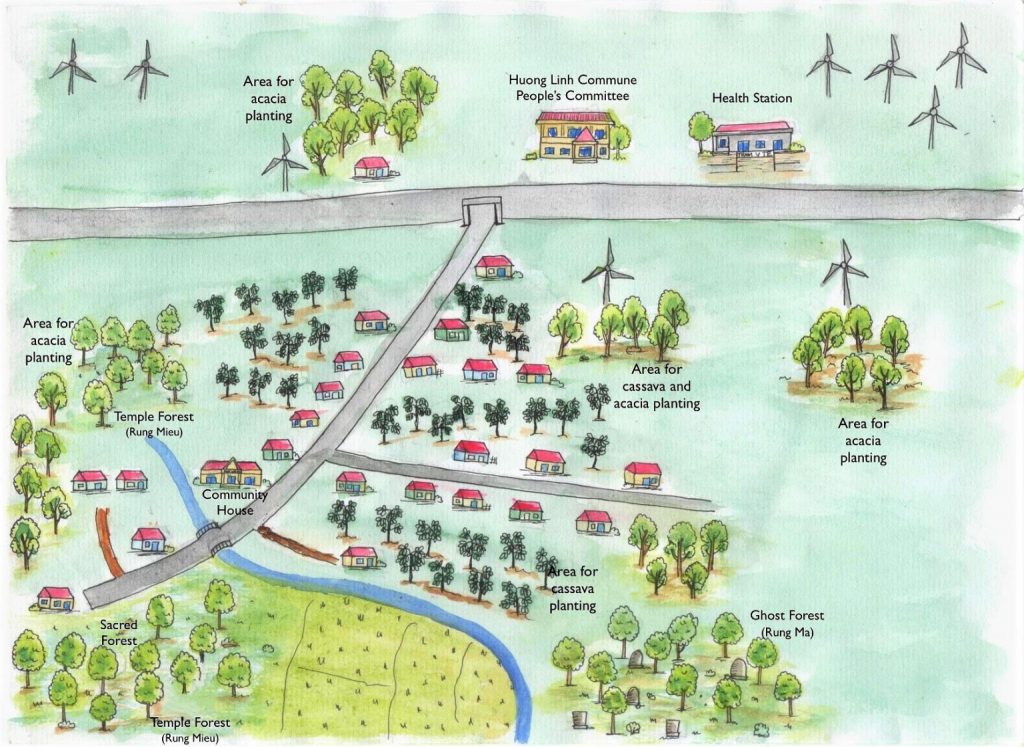
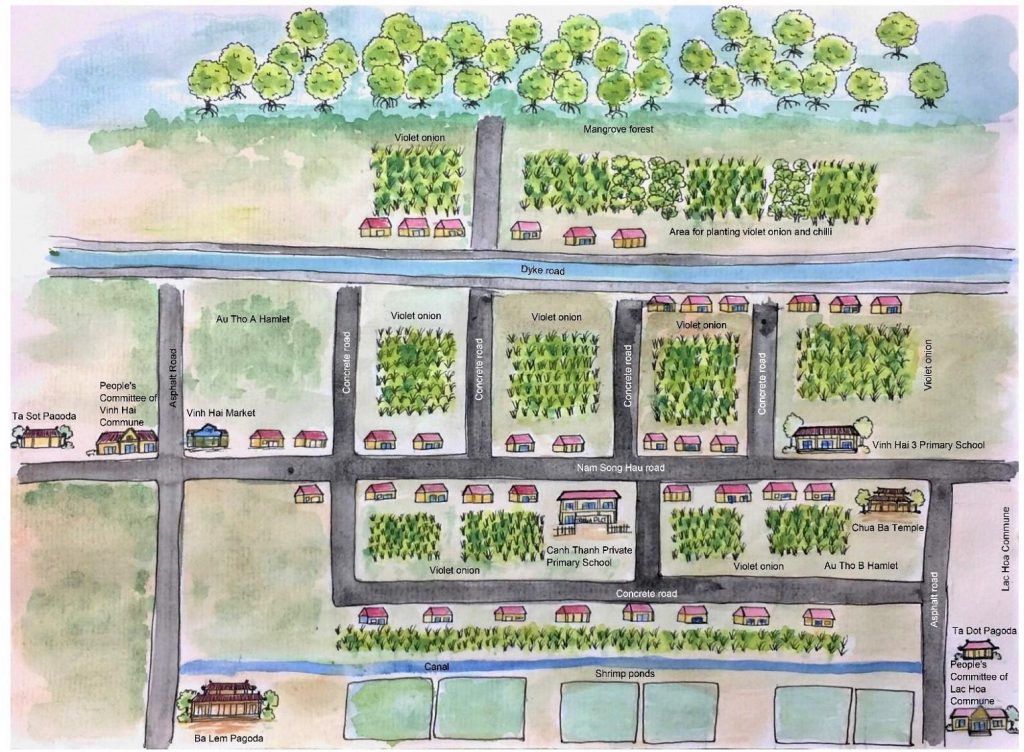
In several social baseline studies, CKC social researchers and painters have co-worked with local villagers in mapping their natural and social resources. Not only does this exercise help us to understand current socio-economic developments of the village, but it also contributes to impact analysis against IFC Performance Standards, such as stakeholder engagement (PS1), land use (PS5), ecosystem services (PS6), Indigenous Peoples (PS7), and cultural heritage (PS8). And we have found that we love painting our reality so much.

Hereby are the paintings which map the natural and social resources of two villages, mountainous and coastal, who host wind farm developments in Vietnam.
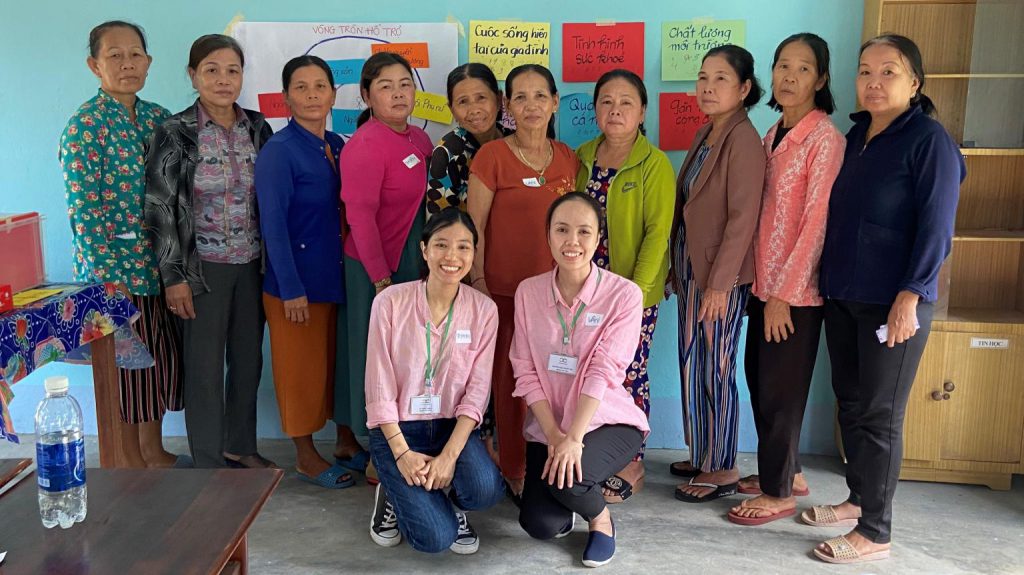
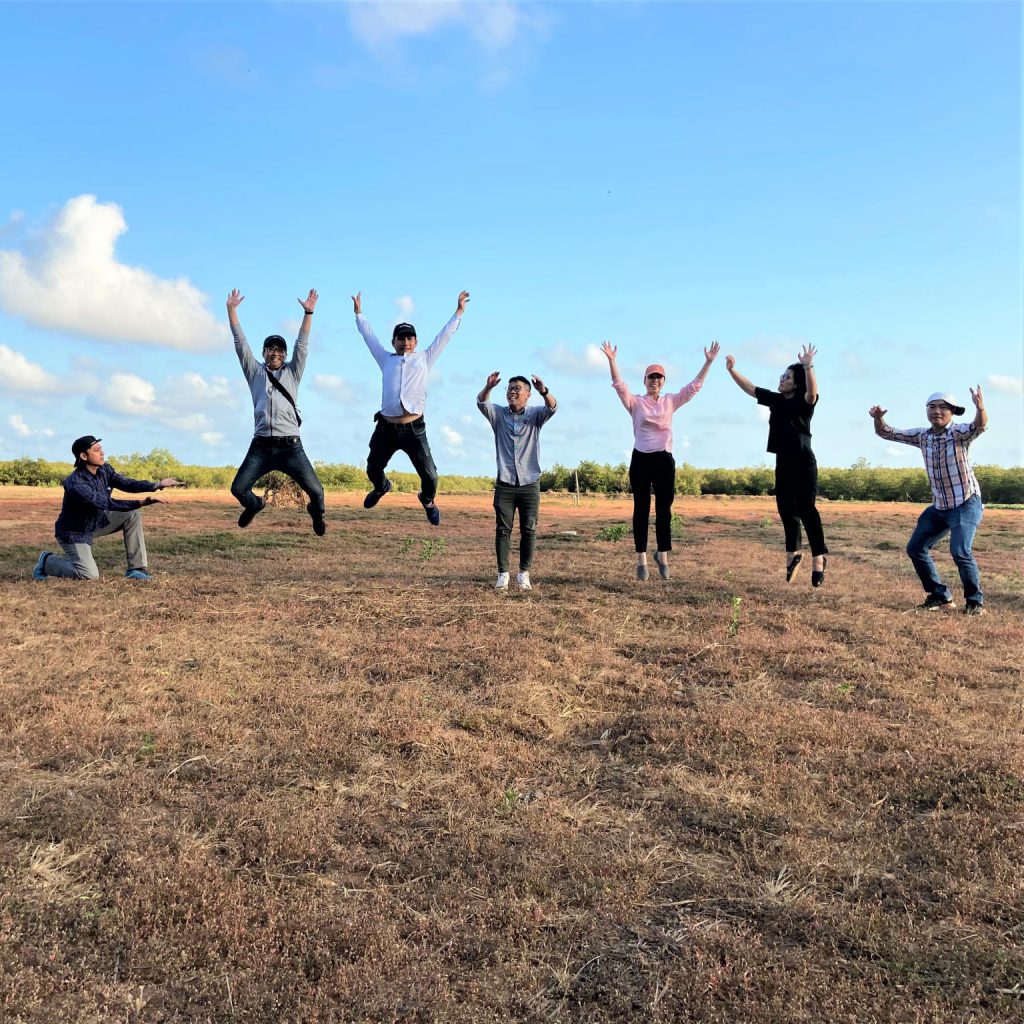
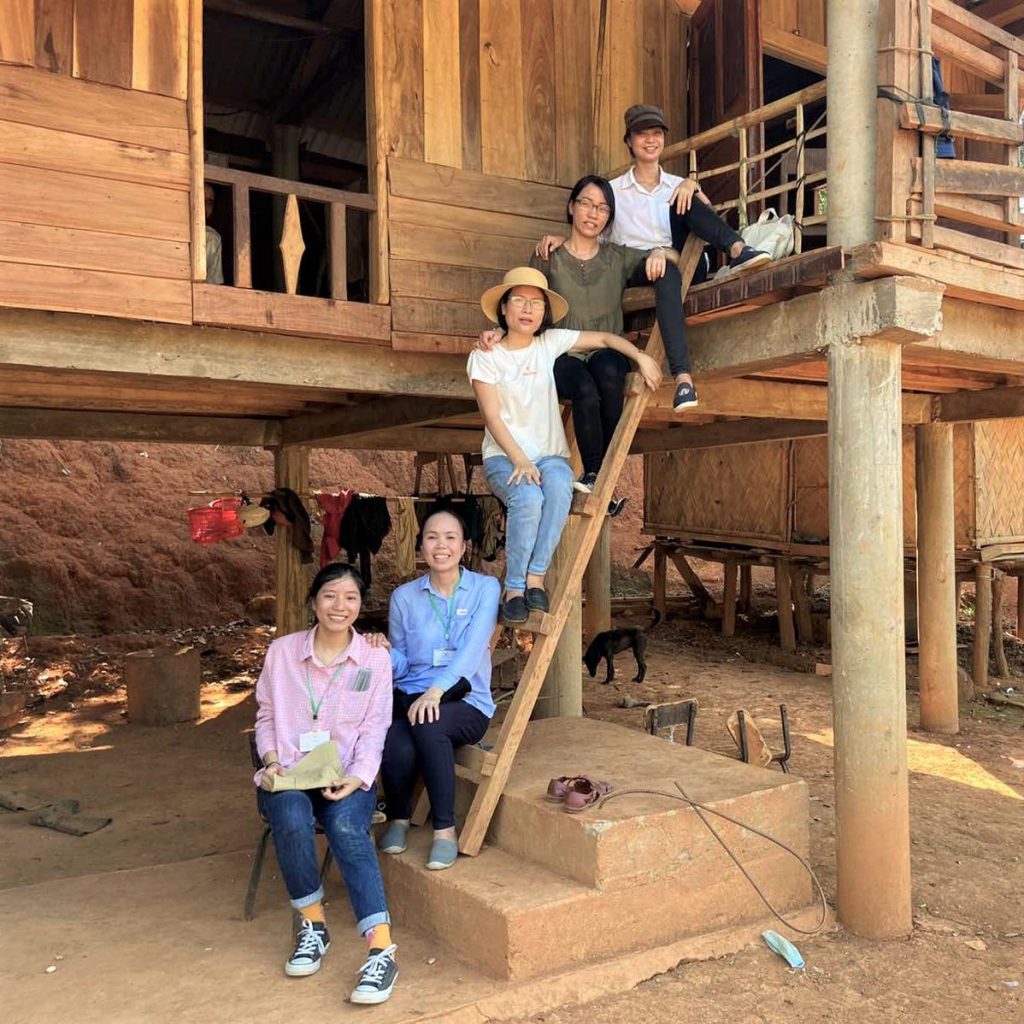
Some memorable ‘kefi’ moments during CKC’s field research in Soc Trang (March 2020) and Quang Tri (May 2020).

Kefi Moment from the Field in Soc Trang (March 2020): Beleaguered by intensive interviews with loosely clustered households and multiple focus discussions with diverse local groups within an extremely demanding work package under a tightly compacted schedule, the team has never given up seeking ways to maintain its high spirits and quality performances.
Just after the Covid-19 pandemic has been brought under control nationwide (May 2020), allowing resumed operation of schools and businesses, CKC has started our field research to support a renewable energy project in understanding of the local context and community engagement with ethnic minority groups along the eastern slopes of the Annamite Range. We were greatly grateful to villagers for their hospitality, participation, and information quality. We received local generous support and mobilisation to be able to reach villages only accessible on two wheels.
 

Glass half full:  Promoting community initiatives to develop Ngu My Thanh as a no plastic waste village” is a collection of sharing, discussions and practices by Ngu My Thanh villagers in developing a no plastic waste village model.

The publication has been produced as part of the Project Empowering Women to Build a Strong and Sustainable Village which was implemented from April 2019 to February 2020.  The Project was funded by Australian Volunteers International (AVI) and implemented by the Center for Knowledge Co-creation and Development Research (CKC).

This publication presents messages about the significance of Tam Giang Lagoon environment and environmental protection measures, and introduces asset-based community development (ABCD) approaches to develop initiatives for building strong and sustainable communities. This publication also collected and illustrated single-use reduction initiatives by local village women such as ‘Using banana leaves instead of plastic bags’, ‘Turning waste into flowers’, ‘Community-based tourism without plastic waste’, and a local campaign to clean up the lagoon habitat. The initiatives help to raise public awareness and change local habits, and especially emphasise the role of women in reducing plastic waste in their own home, as well as their neighborhood and the village. Through this publication, CKC and the authors hope that the knowledge and experience shared during the seminars and the lessons learned from the community initiatives will be applied in different ways in different places.


“Glass half full:  Promoting community initiatives to develop Ngu My Thanh as a no plastic waste village” 


Local women in Ngu My Thanh village are presenting their environmental initiatives for the Project “Empowering Women to Build a Strong and Sustainable Village”


“What we saw at Ngu My Thanh is part of a bigger movement. Over the last few years Vietnam and the global community has become much more aware of the damage that single use plastics are doing to the world. This damage – especially to the marine environment – has become much more apparent as we see pictures of the Great Pacific Garbage Patch and remote island beaches littered by plastic waste, and as we hear that there are five bags full of plastic for every foot of coastline and that plastic waste kills 100,000 marine mammals every year. Slowly but gradually the countries of the world – and their provinces like Thua Thien Hue, and their villages like Ngu My Thanh – are taking action to slow down and reverse what we have been doing without thinking for so many decades.” Philip Thomas – CKC Business Mentor and a volunteer of the Australian Volunteers Program.