
On Sunday 27th Oct 2019, Center for Knowledge Co-creation and Development Research (CKC) organized the closing ceremony of the Project ‘Empowering Women to Build a Strong and Sustainable Village’. At the same event, CKC also organized the presentation of community ideas to contribute to reducing plastic waste. Additionally, CKC coordinated with local authorities to provide households with 240 rattan baskets and install industrial and bamboo waste bins in Ngu My Thanh village to improve the collection infrastructure and waste management.
Representatives of CKC, Quang Dien District, Quang Loi Commune and the local people of Ngu My Thanh village attended the event.
The project has been implemented between August and October with the commitment and enthusiastic support of the local authority. The project objectives have now been completed and have achieved unexpected results. In particular, CKC organized two successful training courses for more than 100 local people which focused on (1) environmental protection in the lagoon and reducing single-use plastic products, and (2) the Asset-Based Community Development (ABCD) approach. Through these training courses, the project motivated four local groups to develop a ‘zero plastic waste village’ model.
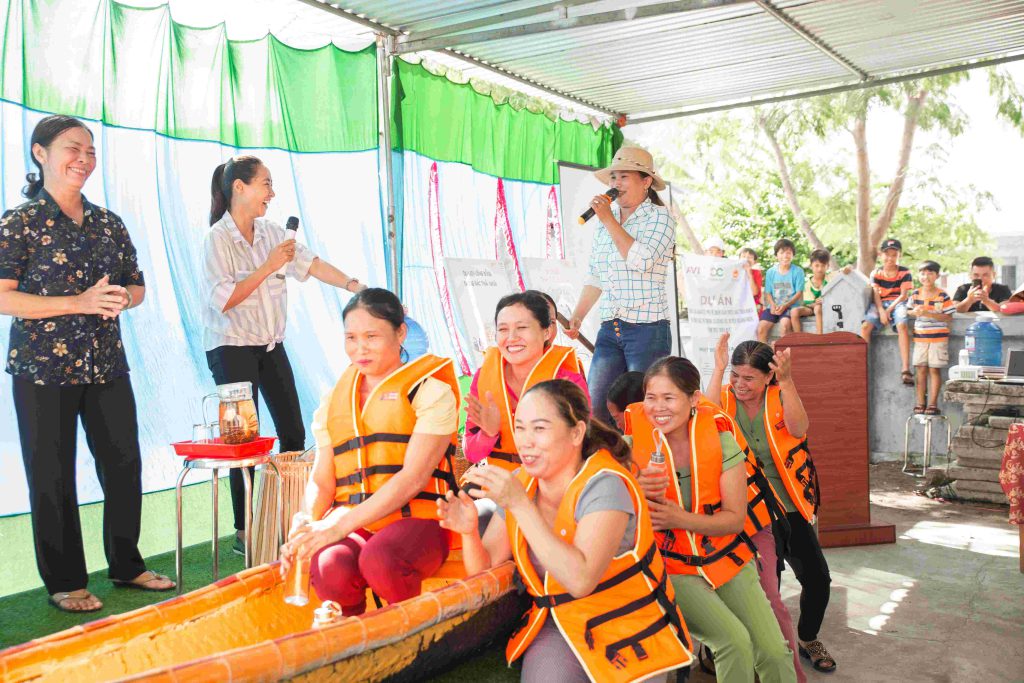
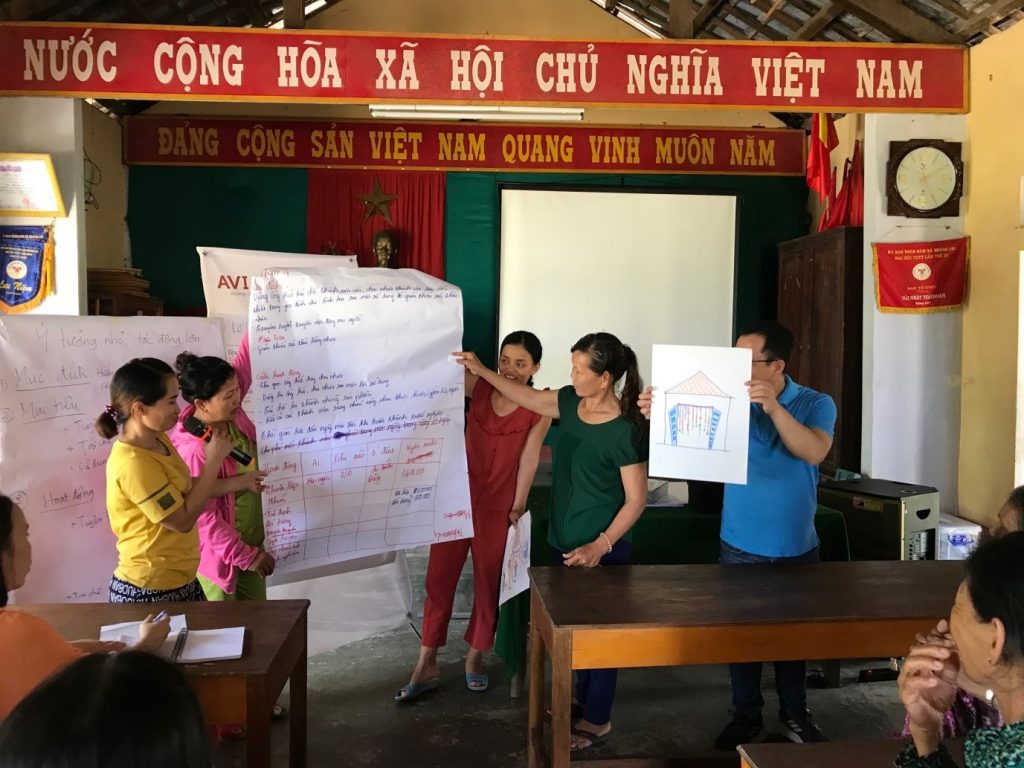
At the presentation, the groups presented their project results through a competition, with ideas such as ‘Using banana leaves instead of plastic bags’, ‘Turning waste into flowers’, ‘Community-based tourism without plastic waste’, and a local campaign to clean up the lagoon habitat. The ideas were presented creatively and entertainingly on stage by the women’s groups and with the efforts of everyone in the group, they showed their determination to practice and maintain their model in their community. The initiatives help to raise public awareness and change local habits, and especially emphasize the role of women in reducing plastic waste in their own home, as well as their neighbourhood and the village.
All the community ideas will now be documented to learn from the experience and to communicate the lessons about plastic-free village models.
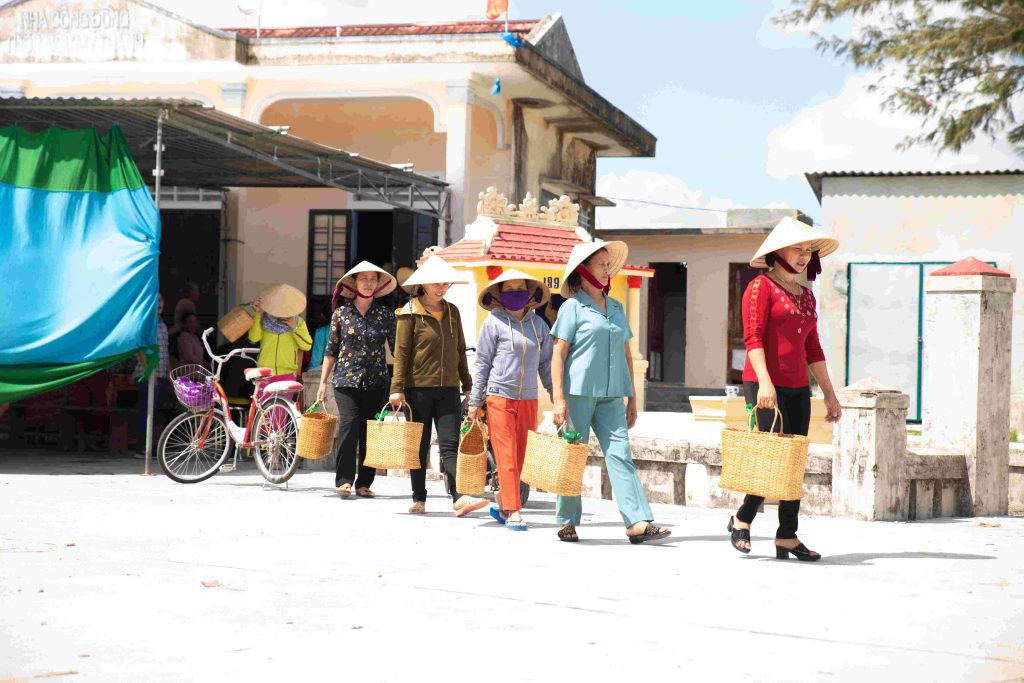
At the end of the ceremony, CKC gave 240 rattan baskets to each household in Ngu My Thanh village to use for their daily shopping activities, instead of disposable plastic bags. There were also ten bamboo waste bins for the households which own the tourist boats for the lagoon area. CKC also coordinated with the Quang Loi commune authorities and Ngu My Thanh village to install six industrial waste bins and six bamboo waste bins in prominent places like the market areas and the community house. This will improve the collection infrastructure and waste management in the community.
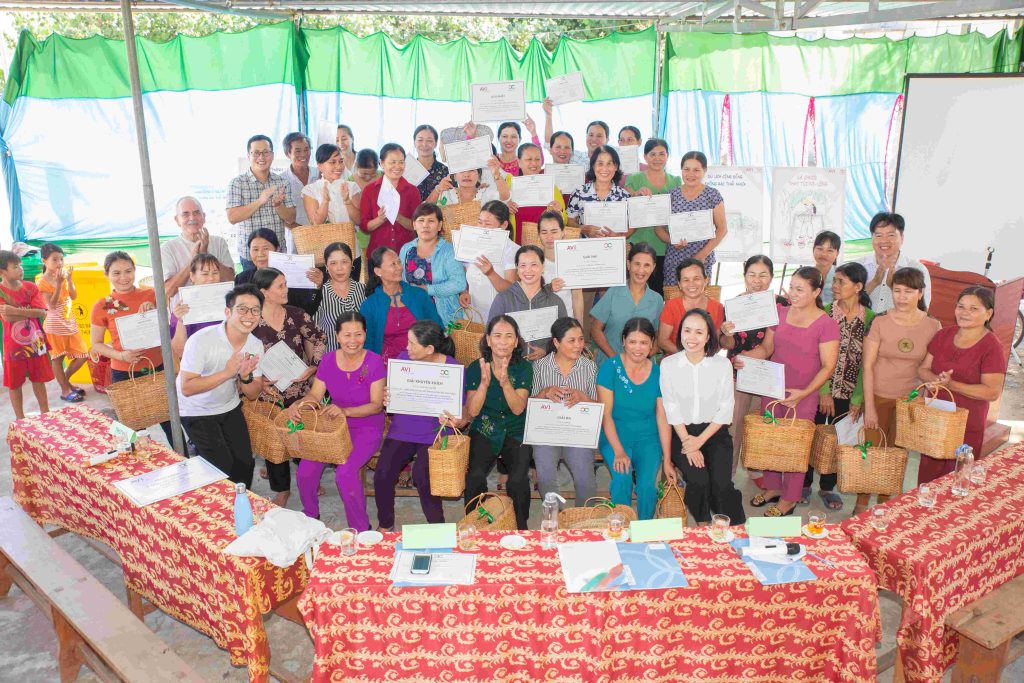
At the end of the event, each participant was awarded a certificate, as well as their rattan basket. As a leader of their household, they are expected to take a lead in communicating with family members and their community about reducing plastic waste and keeping their environment clean.
The activities were organised through the ‘Empowering Women to Build a Strong and Sustainable Village’ project. The project is funded by Australian Volunteers International (AVI) and was implemented by CKC between August and October 2019. The project will help to build an environmentally friendly community and will attract more visitors to support local tourism.
“Capital is not all about money” is the message concluded by Mrs. Thao, 82 years old, in Ngu My Thanh Village after attending the training.
Indeed, community capital is not only money but also other types of capital including natural, physical, human and social capital.
The training helped them to identify the other resources currently held by the community and to use these resources to build a strong and sustainable community. This is also the objective of the project which will help the community to advocate for themselves and to own their development process.
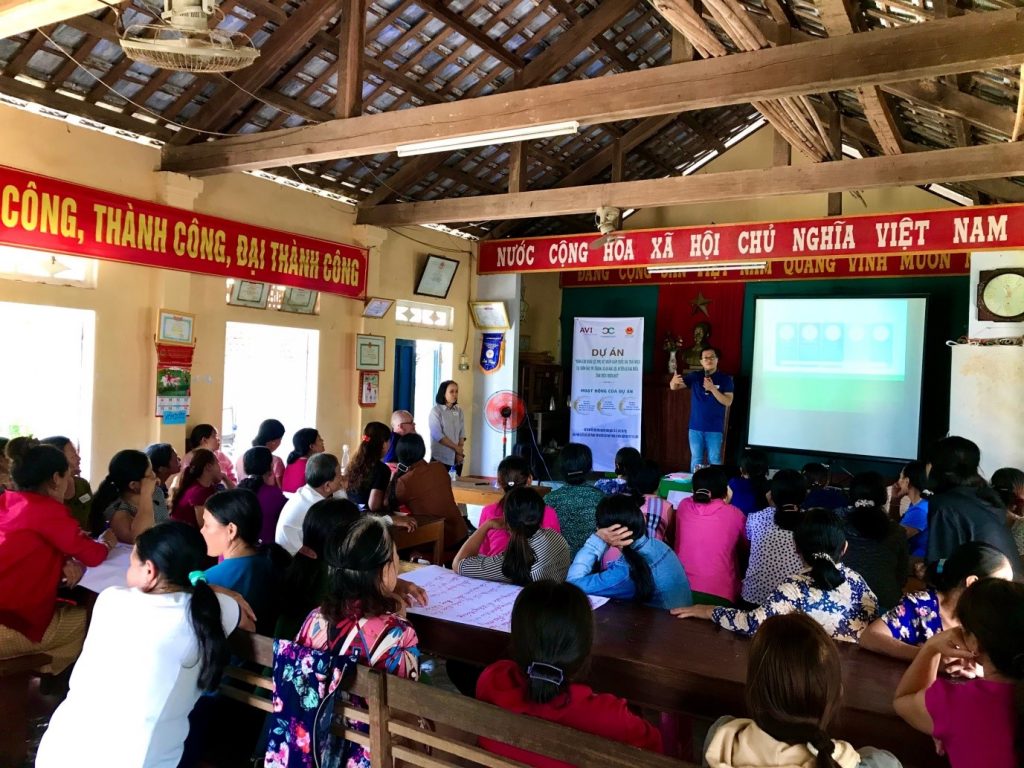
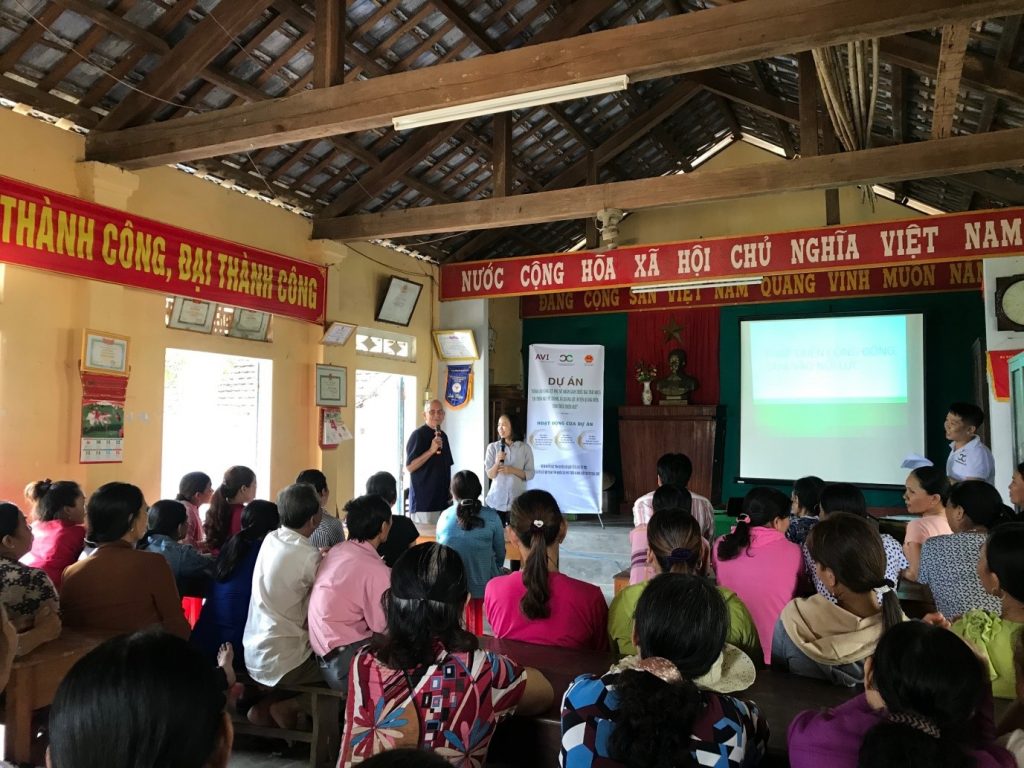
Over two days the Center for Knowledge Co-creation and Development Research (CKC) carried out training on Assets Based Community Development (ABCD). This training focused on the strengths of the village – rather than its problems – and will help to build the ‘zero plastic waste village’ model through 50 local women in Ngu My Thanh Village.
Through the training, participants gained a better understanding of the strengths and assets of their community. At the same time, they also had an opportunity to develop their teamwork skills and to create and develop their ideas for building a zero plastic waste model for the village.
“I never participate in doing teamwork before like this. Actually, I don’t think when we do in teamwork we have to face a lot of controversy in our team to choose a good idea for our project” – A woman in Ngu My Thanh village shared.
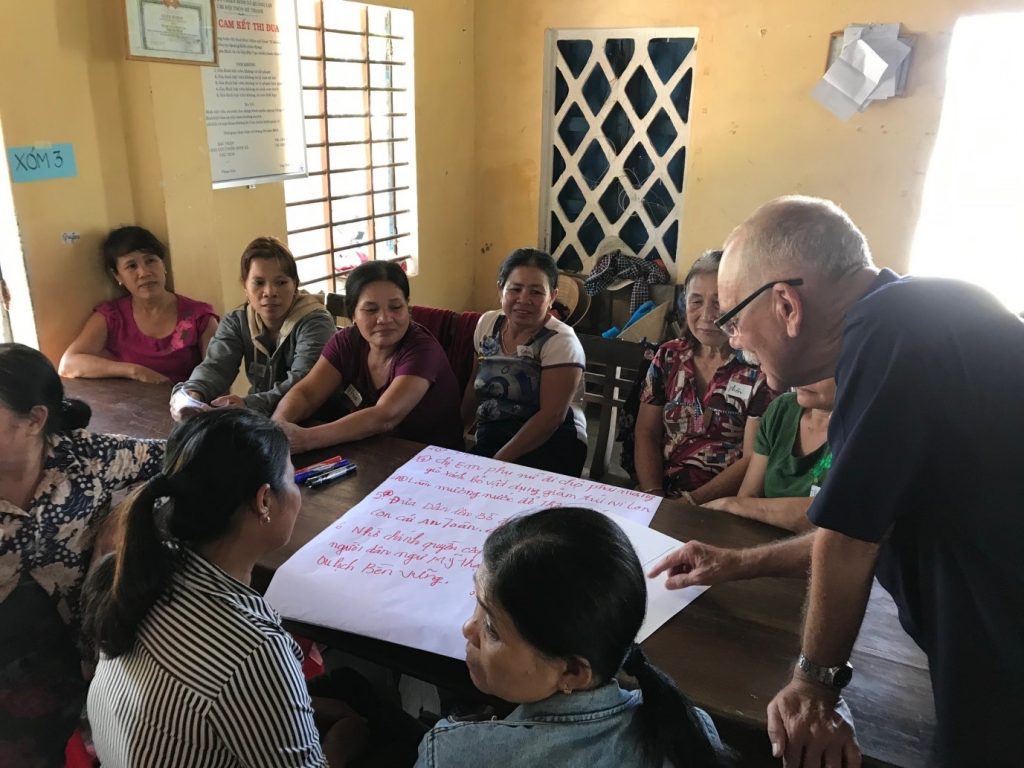
With CKC’s support, participants were divided into four groups to discuss and develop their ideas. They had the opportunity to visualize their idea and can now implement that idea in their community.
In the next stage, the groups will present their project results through a competition which will look for initiatives which reduce plastic waste in the community.
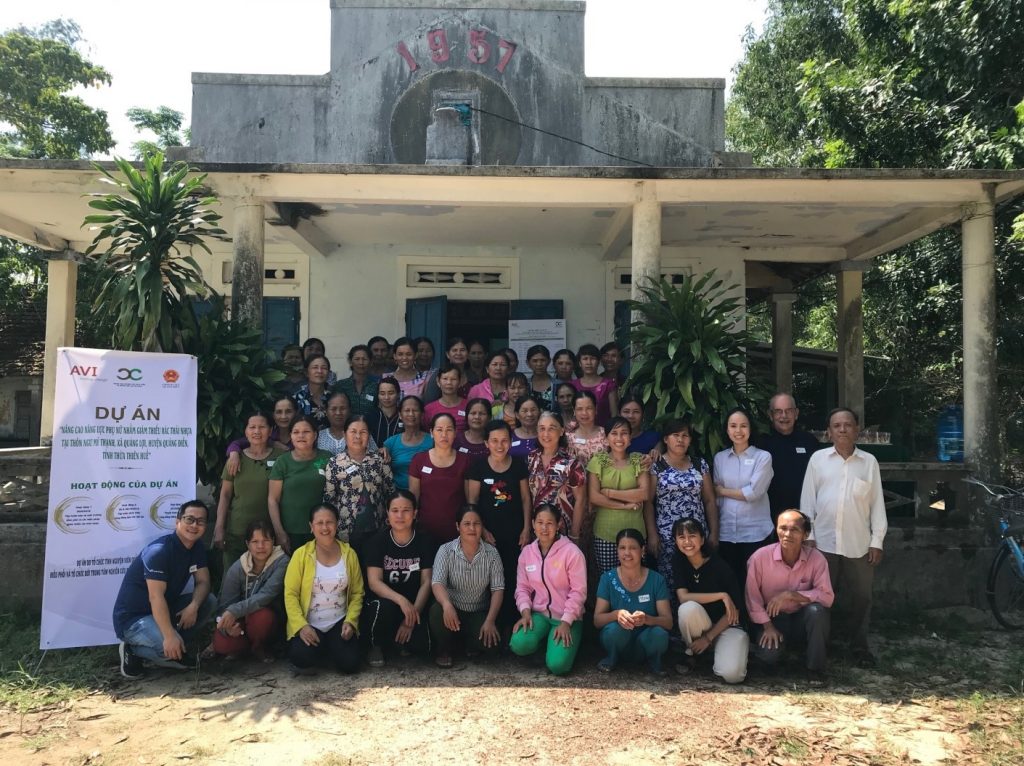
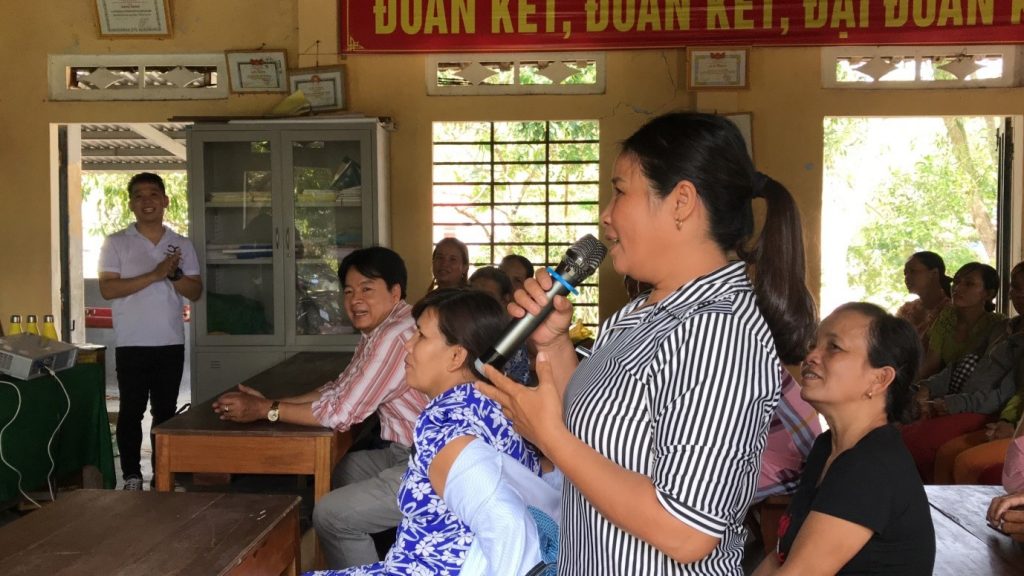
Some photos were taken during the training:
Journal article with Nguyen Quy Hanh and Vo Dinh Anh Tuan. Journal of Research and Development 3-4 (2014): 137-142 (with ) [2014].
From the systems thinking perspective, this research discusses the link and integration between climate change and development. On this background, it analyses policies and practices of climate change response in Thua Thien Hue, one of the most severely affected province by climate change in Central Vietnam. The research concludes that climate change response in Thua Thien Hue is prominently influenced by the concepts of modernisation theories and characterised with hard component technology, donor-driven and state-led design, and multi-sector involvement yet loose connection and coordination among programs and projects. More importantly, many climate change research and response actions beyond the provincial adaptation plan, which have become increasingly active, multi-dimensional and effective, are not well connected and strengthened. In order to integrate climate change and sustainable development, our findings suggest that climate change response endeavors put further emphasis on trans-disciplinarity, networking for intensified knowledge sharing and impact synergy, and promotion of participation and knowledge of local communities. In other words, knowledge integration should be nourished and promoted.