Journal article with Nguyen Quy Hanh, Journal of Development and Studies 6(132), 2016.
The last few years have witnessed the fourth wave of immigration of Vietnamese to Thailand: migration of workers from Central Vietnam. Stronger cooperation on labor matters between the two countries would not only open the gate for Vietnamese to work abroad, but could also address the current trend of illegal labour migration and protect the rights of migrant workers. This research attempts to integrate migration and labor migrants abroad within a development context. Through this conceptual framework and through an analysis of Vietnamese migrant workers in Thailand, this paper makes recommendations for policy planning and research directions for the future.
Book chapter with Nguyen Quy Hanh and Lam Thi Thu Suu (2016)
Construction of hydropower plants derives from the common human desire to use technology to control and prevent water flowing to the sea, and to develop energy for human development. Hydropower development projects must above all acknowledge the rights of the communities affected by hydropower and promote their sustainable development. Hydropower resettlement can not be simplified into compensation and physical relocation, but must include the sunken part of the iceberg – issues of sustainable livelihood, culture, and society, linked by a chain of natural and social relations. The research provides a comprehensive model of resettlement, which shows that hydropower development can only be truly sustainable when the focus is on the sunken part of the iceberg.
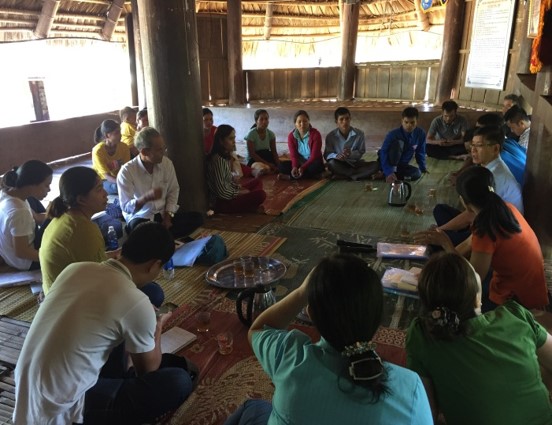
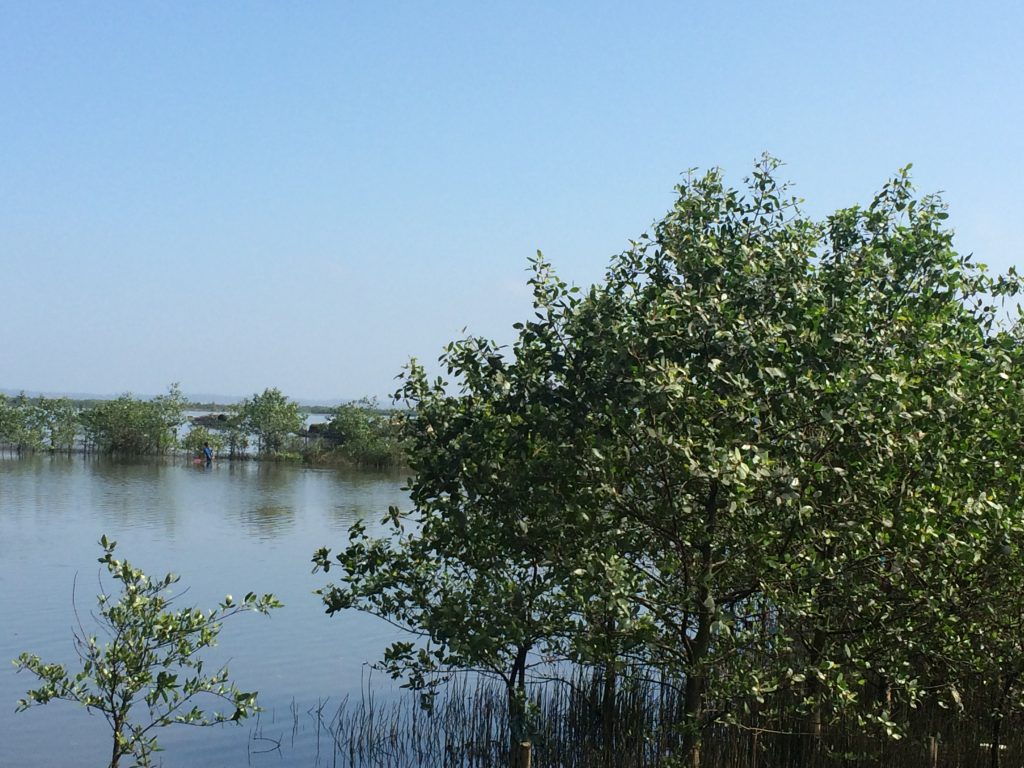
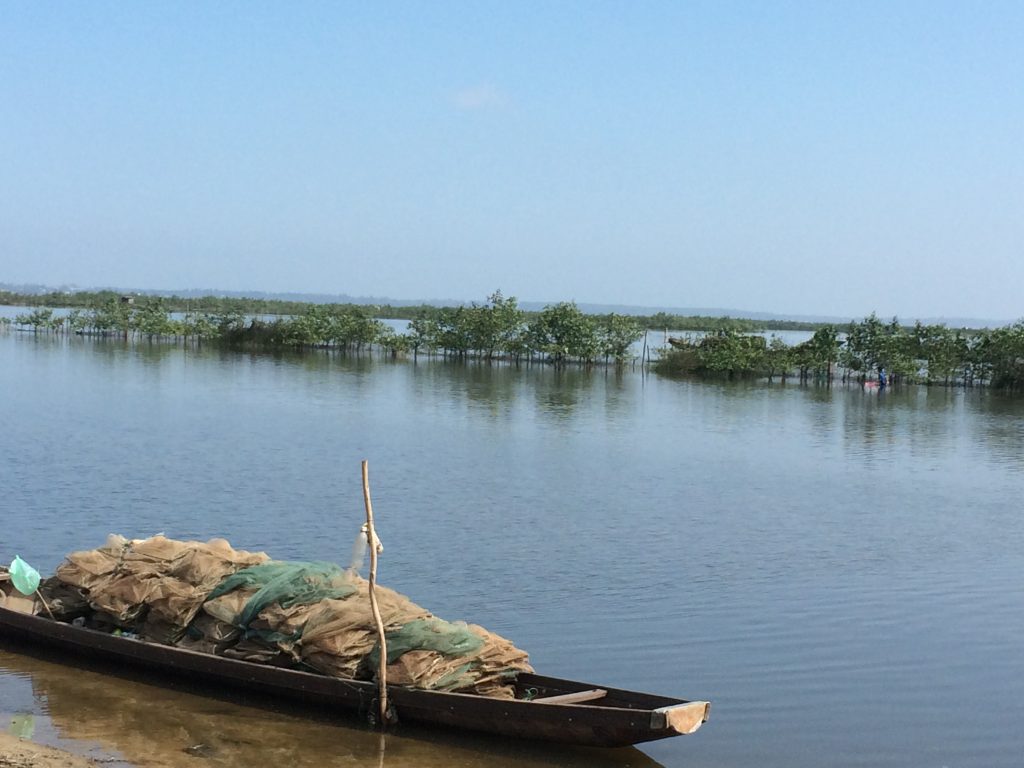
The project “Strengthening the right to land and water surface use and management for resettled fishermen in Tam Giang Lagoon, Phu Vang District” by Hue Center of Social Sciences and Humanities (CSSH) were implemented in five communes including Phu Dien, Phu Da, Phu Hai, Phu Thuan and Phu Xuan, Phu Loc district, Thua Thien Hue province. The project objectives included raising awareness of the right to land and water surface for the communities aiming at equally access to their rights, enhancing capacity and build social roles of local CBOs in the way that their roles will be significantly recognized by the communities and promoting the participation of local children in natural resources management and provide essential knowledge of migration.
The evaluation focuses on project activities during the period 2011-2014 in 5 communes including Phu Dien, Phu Da, Phu Hai, Phu Thuan and Phu Xuan. Five focus group discussions and 10 in-depth interviews were carried out to collect primary data. In addition, observation were made throughout the field trip to better understand the real context of project implementation, formulate reality-based questions and provide a double check for the other used methods.