
Planting Four-Season Bamboo – Sowing Green, Building a Protective Belt, and Creating Sustainable Livelihoods for the A Luoi Community
- 30 July, 2026
- ckcvietnam
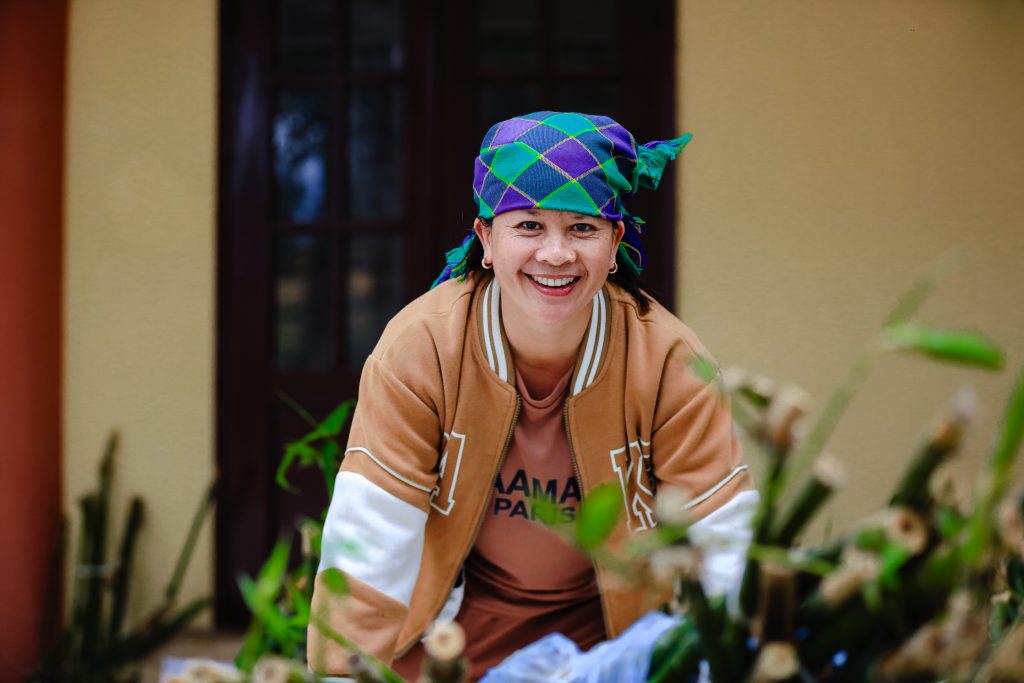
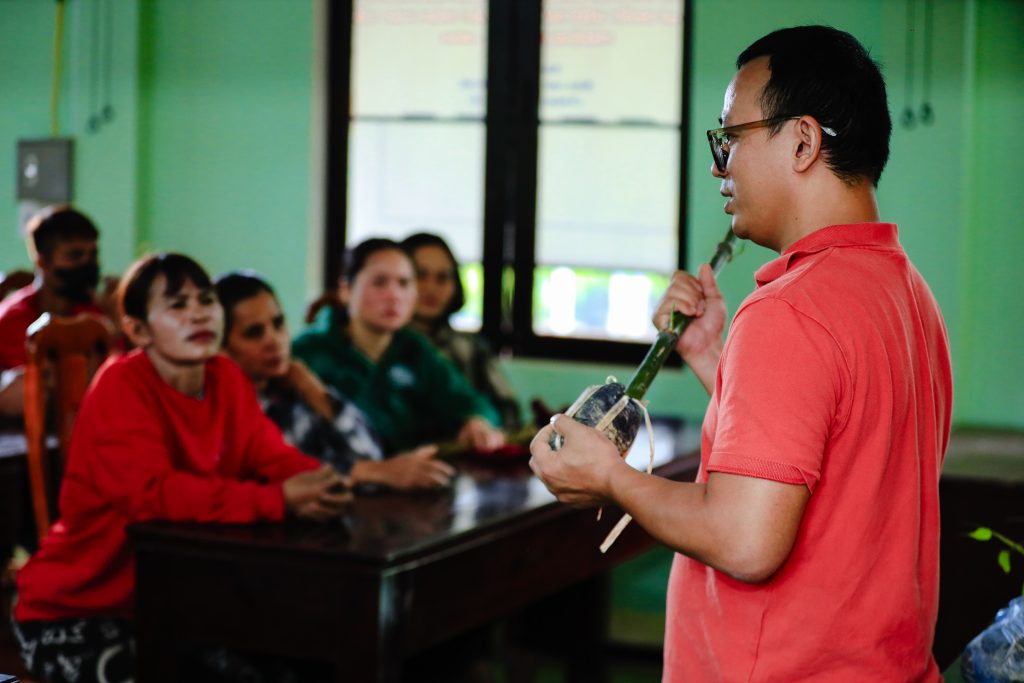
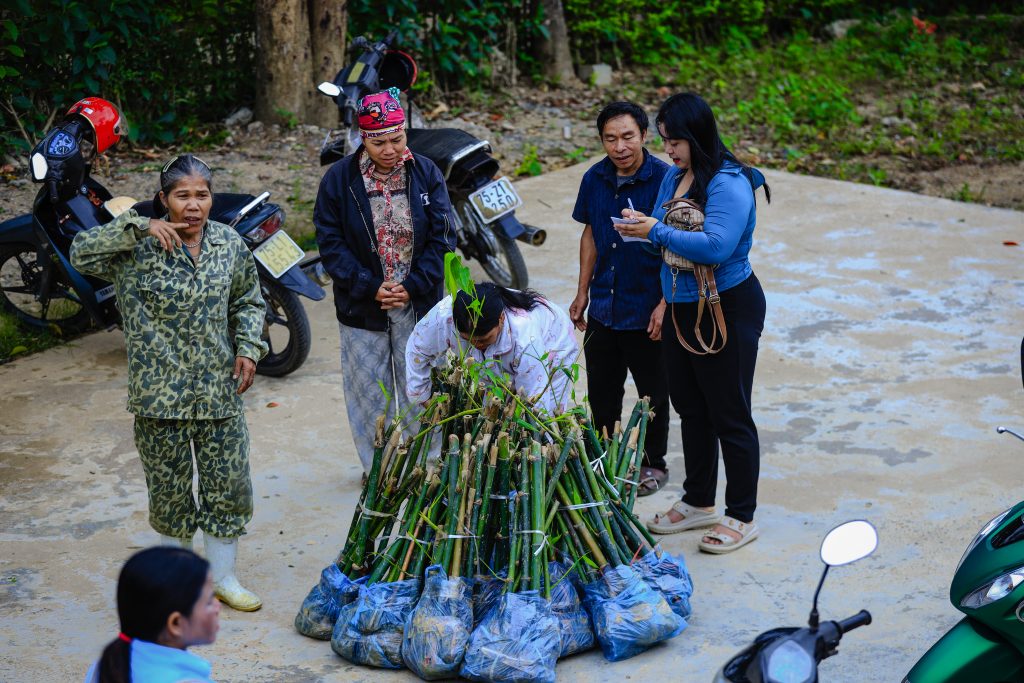
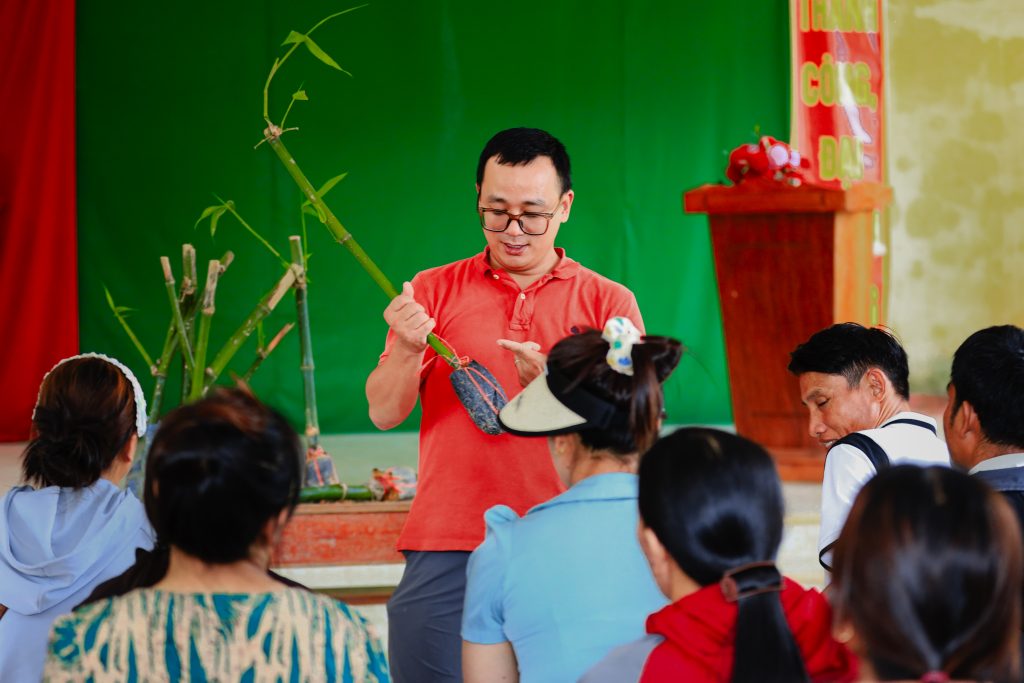
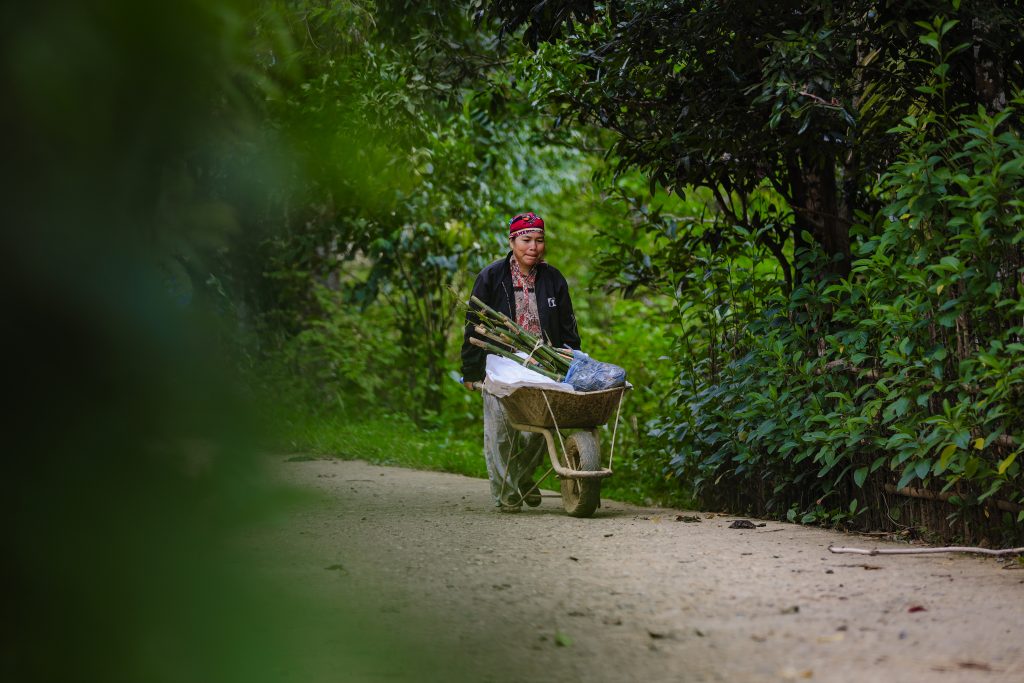
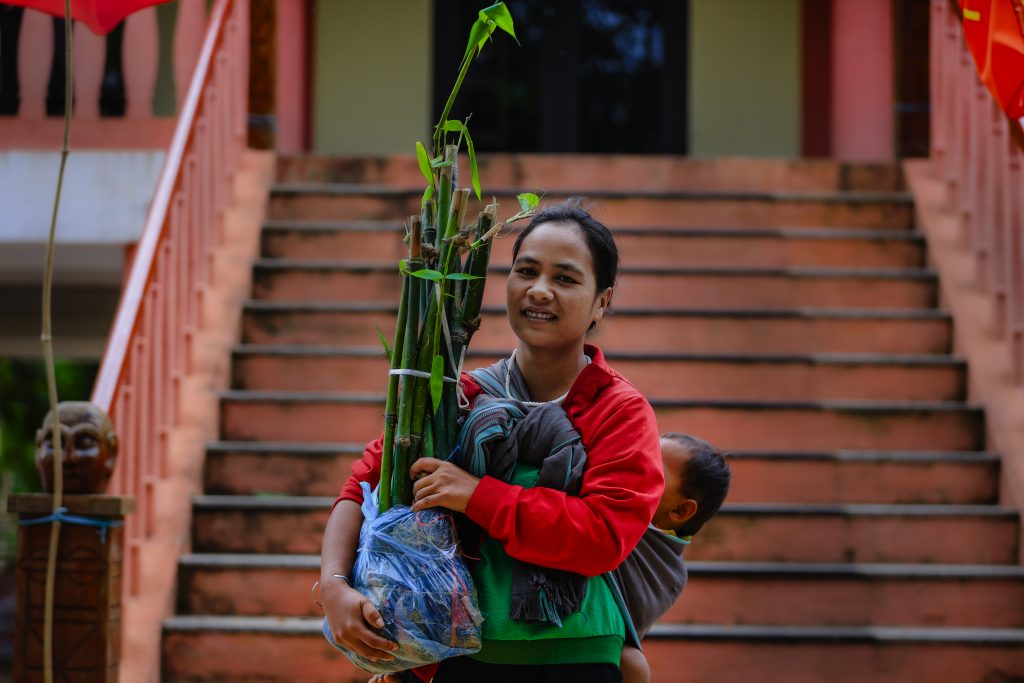
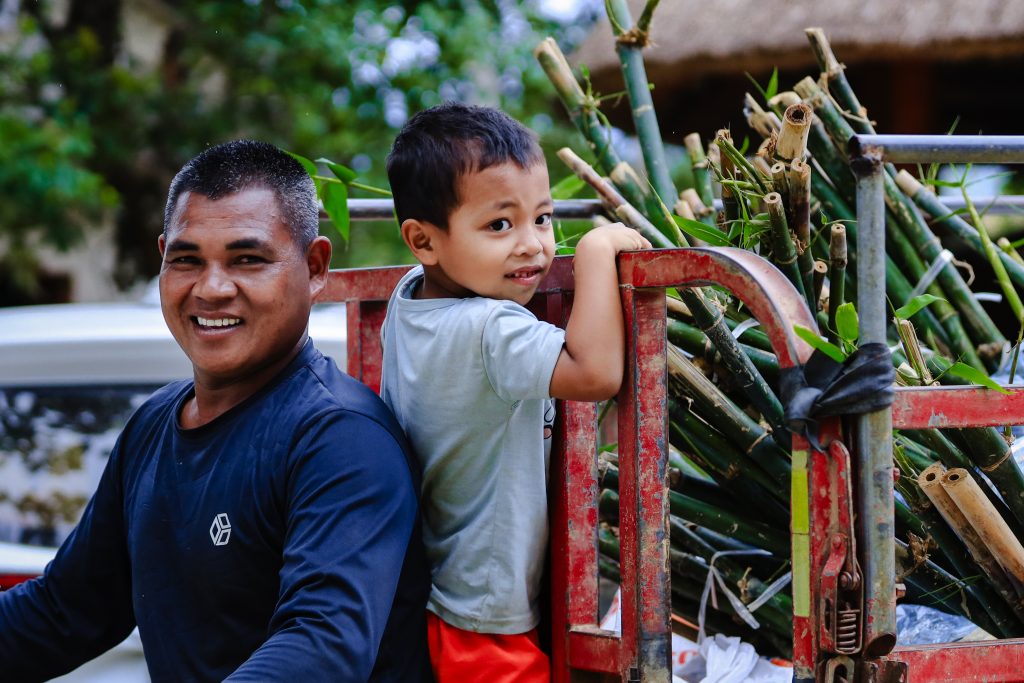
- July 14: Training and distribution of bamboo seedlings in A Luoi 1 and A Luoi 3 communes
- July 15: Training and distribution of bamboo seedlings in A Luoi 2 commune
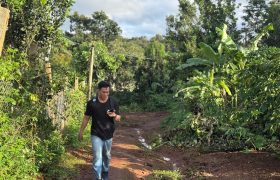
- July 16: Field monitoring of planting activities, on-site technical support, assessment of the initial growth of the bamboo, and consolidation of implementation results.
- Reducing landslide risks: Its extensive and deep root system helps stabilize soil, reduce erosion, and create a natural “green barrier” that protects riverbanks and streams.
- Easy to cultivate: Fast-growing and moisture-loving, four-season bamboo thrives in the riverside and streamside soils of A Luoi.
- Creating sustainable income: From the third year onward, each bamboo clump can produce approximately 60–80 kg of bamboo shoots per year, with an average yield of 40–60 tonnes per hectare annually.
Recently News
Related Articles
DISCOVERING PHONG DINH’S TRADITIONAL CRAFT VILLAGES: CONNECTING WITH LOCAL CULTURAL VALUES
6 October, 2026
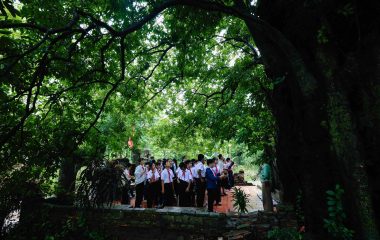
Listen – See – Touch – Do: That is how 135 students explored the traditional crafts rooted in their own homeland. Last September, as part of the PWG-Phong Dinh Project, CKC, in collaboration with Nguyen Tri Phuong Primary and...
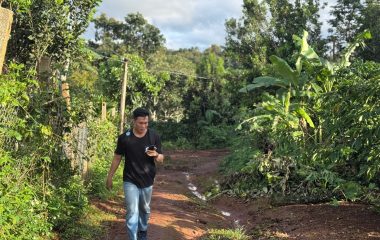
The Data Collection Cycle: Building Quality Datasets in the Field
4 October, 2026
In field research, every personal account, observation and photograph is a valuable piece of data that helps the research team better understand the community. To build a comprehensive and reliable dataset, CKC follows a continuous cycle of collecting: reviewing, clarifying,...
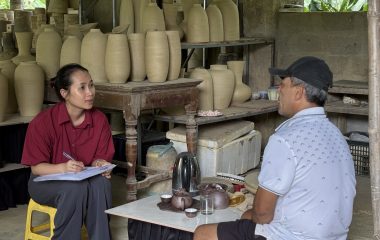
Field Survey: When Research Goes Hand in Hand with Community Development (PWG-Phong Dinh Project)
20 August, 2026
In early August 2026, CKC conducted fieldwork for the study “Women’s Roles in Accessing and Using Green Finance in Traditional Handicraft Supply Chains Linked to Service Development in Phong Dinh ward, Hue city.” The study uses a supply chain...
TÌM KIẾM ĐƠN VỊ CUNG CẤP DỊCH VỤ – DỰ ÁN PWG-PHONG DINH
10 August, 2026
Trung tâm Nghiên cứu Phát triển và Đồng kiến tạo Tri thức (CKC) đang tìm kiếm đơn vị cung cấp dịch vụ XE DI CHUYỂN VÀ TEA-BREAK trong khuôn khổ Dự án “Phát triển chuỗi cung ứng sản phẩm làng...
TÌM KIẾM ĐƠN VỊ CUNG CẤP DỊCH VỤ – DỰ ÁN PWG-PHONG DINH
4 August, 2026
Trung tâm Nghiên cứu Phát triển và Đồng kiến tạo Tri thức (CKC) đang tìm kiếm đơn vị cung cấp dịch vụ XE DI CHUYỂN VÀ TEA-BREAK trong khuôn khổ Dự án “Phát triển chuỗi cung ứng sản phẩm làng...
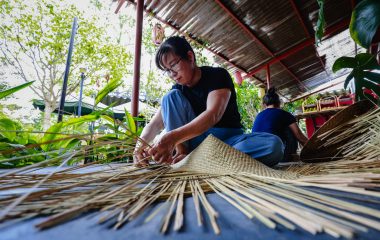
Supporting a Sedge Pressing Machine: Advancing Technological Innovation towards a green, women-led craft village (PWG-Phong Dinh Project)
24 July, 2026
On 10 July 2026, under the framework of the PWG-Phong Dinh Project, CKC, in collaboration with the Phong Dinh Ward People’s Committee, the Phong Dinh Ward Women’s Union, and local partners, officially handed over the sedge pressing machine to the...
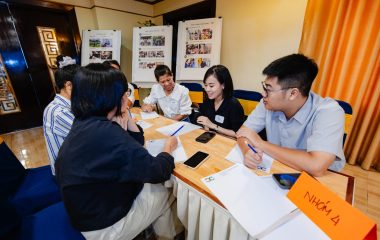
STRENGTHENING ORGANISATIONAL CAPACITY THROUGH PARTICIPATORY ACTION RESEARCH
20 July, 2026
Since 2024, CKC has been implementing the Participatory Action Research on Organisational Capacity Strengthening (PAROCS). The initiative aims to objectively assess the Center’s strengths and areas for improvement, identify organisational capacities that need further development to more effectively fulfill its...
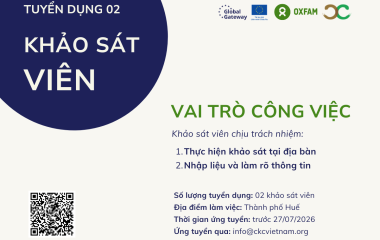
TUYỂN DỤNG KHẢO SÁT VIÊN – DỰ ÁN PWG-PHONG DINH
15 July, 2026
Trung tâm Nghiên cứu Phát triển và Đồng kiến tạo Tri thức (CKC) cần tuyển dụng 02 KHẢO SÁT VIÊN tham gia triển khai hoạt động nghiên cứu trong khuôn khổ Dự án “Phát triển chuỗi cung ứng sản phẩm...
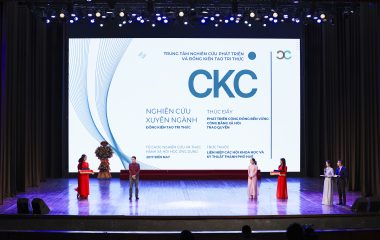
Shaping the Future through Education – Nurturing a Passion for Science in the Younger Generation
12 June, 2026
Aligned with CKC’s core mission of promoting sustainable development initiatives and strengthening the capacities of young people, CKC is honored to accompany the “Hue City Youth and Children’s Creativity Contest 2026.” The program is organised by the Hue City People’s...
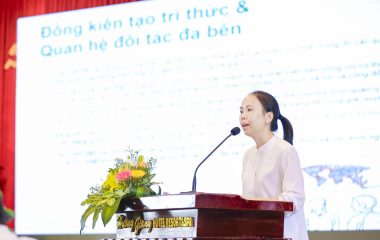
Co-creation and transdisciplinary partnership – At the core of CKC’s practice
11 June, 2026
Amid complex challenges in Vietnam’s localities, such as inequality, multidimensional poverty, and climate change, CKC promotes a knowledge co-creation approach and transdisciplinary partnership to better mobilize diverse societal resources. Knowledge is not confined to academic or professional domains; it is...