
The Data Collection Cycle: Building Quality Datasets in the Field
- 4 October, 2026
- ckcvietnam
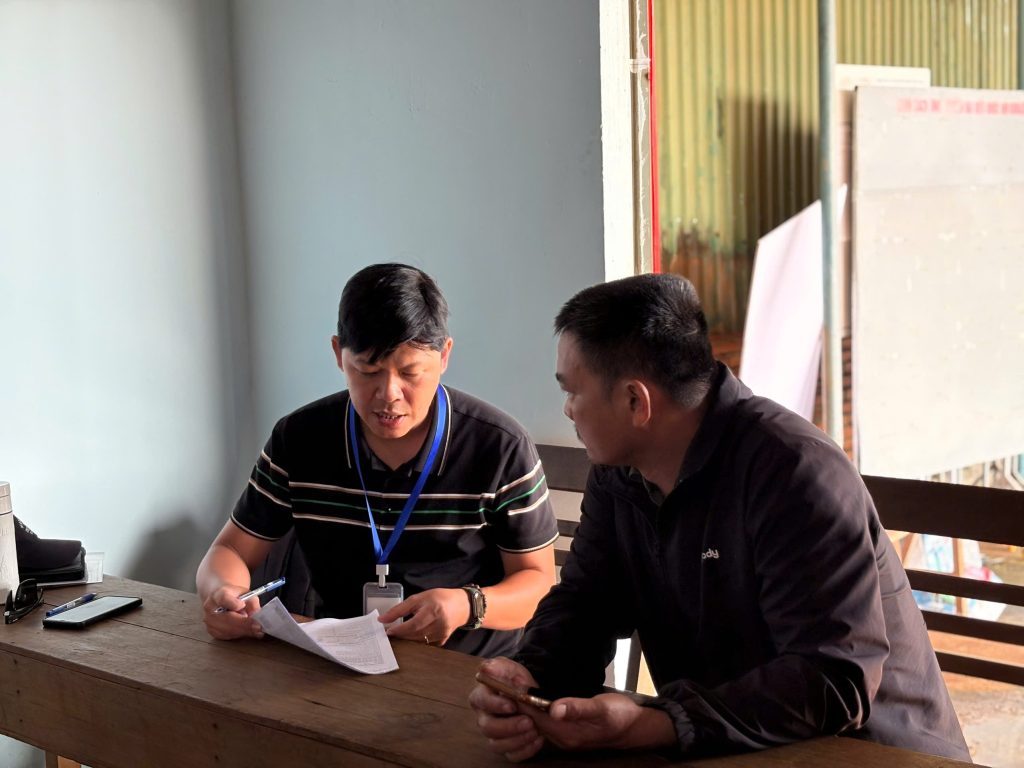
In field research, every personal account, observation and photograph is a valuable piece of data that helps the research team better understand the community. To build a comprehensive and reliable dataset, CKC follows a continuous cycle of collecting: reviewing, clarifying, supplementing and verifying data.
During social research in Dak Lak province in early September, CKC and its research team applied this cycle throughout the fieldwork, using each day’s findings to guide the next. The process includes three key steps:
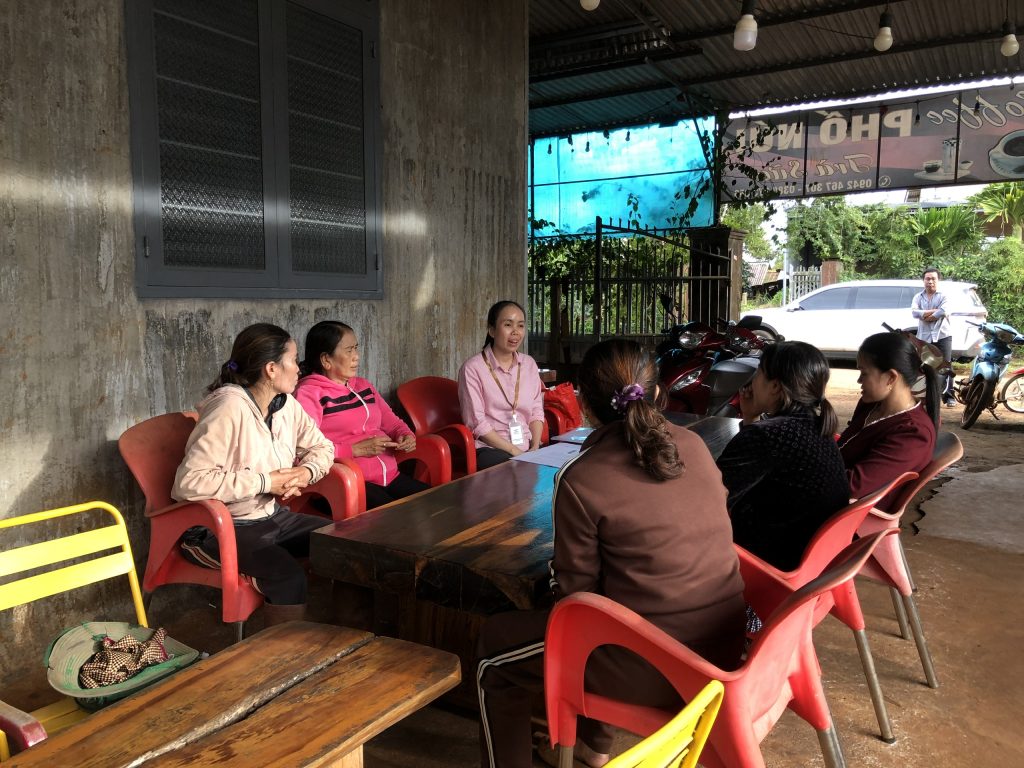
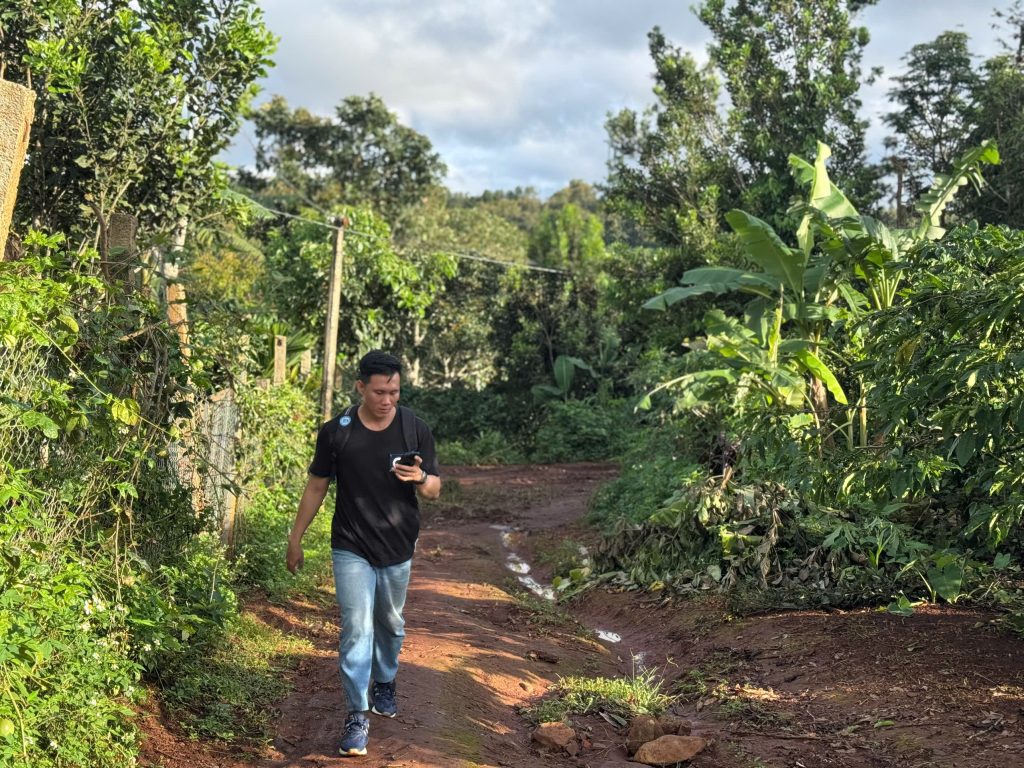
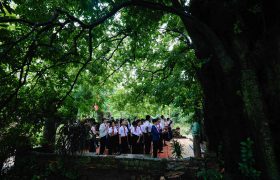
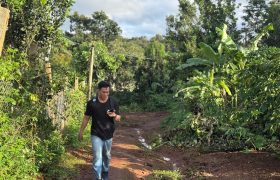
- Collecting information from multiple perspectives: CKC applies a mixed-methods approach, combining qualitative and quantitative techniques. In addition, the research team records field notes, takes photographs, and maps the study areas using GPS to visually capture the real-world context.
- Daily data review and validation: Reviewing and cross-checking data each day is a key part of CKC’s research process. Researchers engage in peer discussions and verify findings with community groups to ensure accuracy. This process allows the team to promptly assess data quality and plan follow-up checks for subsequent sessions.
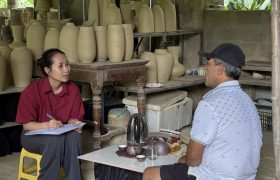
- Observation and supplementation: Beyond clarifying existing information, CKC uses participant observation to capture tacit knowledge, including non-verbal cues across different cultural and social contexts that are often difficult to capture through written records or questionnaires.
The strength of CKC’s approach lies in its continuous feedback loop: today’s review guides tomorrow’s activities, and new insights feeds into the next round of verification. This iterative process sharpens the research focuses in real time, improving the consistency and depth of the dataset.
For CKC, data quality is shaped by both research methods and engagement with communities. Data quality is not just about numbers. It reflects the respect, attentive listening, accountability and transparency in working with communities.
Recently News
TÌM KIẾM ĐƠN VỊ CUNG CẤP DỊCH VỤ ĂN UỐNG – DỰ ÁN PWG-PHONG DINH
15 October, 2026
Related Articles
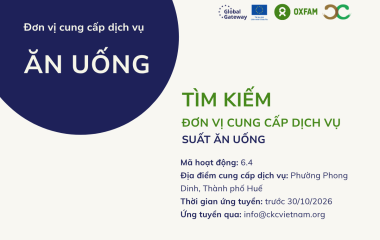
TÌM KIẾM ĐƠN VỊ CUNG CẤP DỊCH VỤ ĂN UỐNG – DỰ ÁN PWG-PHONG DINH
15 October, 2026
Trung tâm Nghiên cứu Phát triển và Đồng kiến tạo Tri thức (CKC) đang tìm kiếm đơn vị cung cấp dịch vụ ĂN UỐNG trong khuôn khổ Dự án “Phát triển chuỗi cung ứng sản phẩm làng nghề thân thiện với...
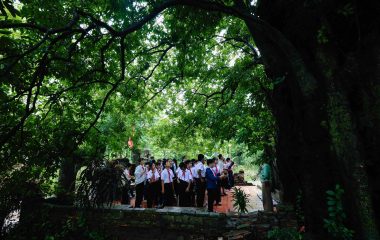
DISCOVERING PHONG DINH’S TRADITIONAL CRAFT VILLAGES: CONNECTING WITH LOCAL CULTURAL VALUES
6 October, 2026
Listen – See – Touch – Do: That is how 135 students explored the traditional crafts rooted in their own homeland. Last September, as part of the PWG-Phong Dinh Project, CKC, in collaboration with Nguyen Tri Phuong Primary and...
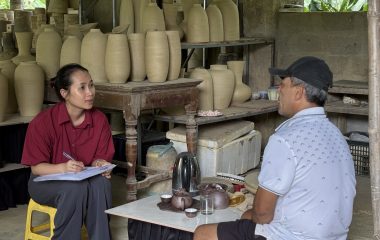
Field Survey: When Research Goes Hand in Hand with Community Development (PWG-Phong Dinh Project)
20 August, 2026
In early August 2026, CKC conducted fieldwork for the study “Women’s Roles in Accessing and Using Green Finance in Traditional Handicraft Supply Chains Linked to Service Development in Phong Dinh ward, Hue city.” The study uses a supply chain...
TÌM KIẾM ĐƠN VỊ CUNG CẤP DỊCH VỤ – DỰ ÁN PWG-PHONG DINH
10 August, 2026
Trung tâm Nghiên cứu Phát triển và Đồng kiến tạo Tri thức (CKC) đang tìm kiếm đơn vị cung cấp dịch vụ XE DI CHUYỂN VÀ TEA-BREAK trong khuôn khổ Dự án “Phát triển chuỗi cung ứng sản phẩm làng...
TÌM KIẾM ĐƠN VỊ CUNG CẤP DỊCH VỤ – DỰ ÁN PWG-PHONG DINH
4 August, 2026
Trung tâm Nghiên cứu Phát triển và Đồng kiến tạo Tri thức (CKC) đang tìm kiếm đơn vị cung cấp dịch vụ XE DI CHUYỂN VÀ TEA-BREAK trong khuôn khổ Dự án “Phát triển chuỗi cung ứng sản phẩm làng...
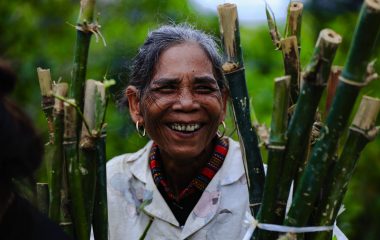
Planting Four-Season Bamboo – Sowing Green, Building a Protective Belt, and Creating Sustainable Livelihoods for the A Luoi Community
30 July, 2026
From July 14 to 16, 2026, more than 3,800 four-season bamboo seedlings and 11 tons of fertilizer were distributed to 92 households living in landslide-prone areas along rivers and streams in A Luoi 1, A Luoi 2, and A Luoi...
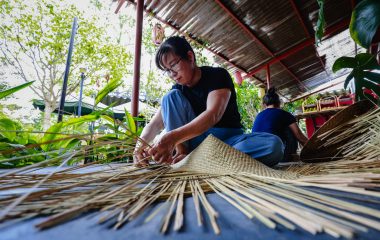
Supporting a Sedge Pressing Machine: Advancing Technological Innovation towards a green, women-led craft village (PWG-Phong Dinh Project)
24 July, 2026
On 10 July 2026, under the framework of the PWG-Phong Dinh Project, CKC, in collaboration with the Phong Dinh Ward People’s Committee, the Phong Dinh Ward Women’s Union, and local partners, officially handed over the sedge pressing machine to the...
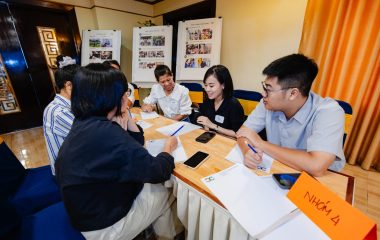
STRENGTHENING ORGANISATIONAL CAPACITY THROUGH PARTICIPATORY ACTION RESEARCH
20 July, 2026
Since 2024, CKC has been implementing the Participatory Action Research on Organisational Capacity Strengthening (PAROCS). The initiative aims to objectively assess the Center’s strengths and areas for improvement, identify organisational capacities that need further development to more effectively fulfill its...
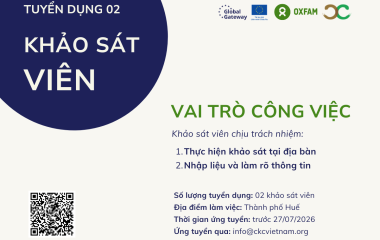
TUYỂN DỤNG KHẢO SÁT VIÊN – DỰ ÁN PWG-PHONG DINH
15 July, 2026
Trung tâm Nghiên cứu Phát triển và Đồng kiến tạo Tri thức (CKC) cần tuyển dụng 02 KHẢO SÁT VIÊN tham gia triển khai hoạt động nghiên cứu trong khuôn khổ Dự án “Phát triển chuỗi cung ứng sản phẩm...
Shaping the Future through Education – Nurturing a Passion for Science in the Younger Generation
12 June, 2026
Aligned with CKC’s core mission of promoting sustainable development initiatives and strengthening the capacities of young people, CKC is honored to accompany the “Hue City Youth and Children’s Creativity Contest 2026.” The program is organised by the Hue City People’s...